| Blue Light Use |
| Information - Info pages | ||||
|
We are often asked where people stand on fitting blue, green or amber lights to their vehicles. Many people find the regulations difficult to read and interpret and are unsure about the use of lights on their vehicles. Because of this, we have put together a summary of the regulations in straightforward English!
IMPORTANT NOTE: Have your say on the official Government consultation on speed limit exemptions for the emergency services. The deadline is 27 Feb 2013.
Jump to:
The main change introduced in 2011 was that vehicles used by military special forces (including the SAS) are permitted the same dispensations as police emergency vehicles. This means they can use blue lights and sirens and can disregard speed limits and other road signs when safe. The Special Forces can only use these powers when attending a matter of urgent national security. This change is shown in the main document below where appropriate.
A number of small changes were made to the lighting regulations in 2010. These are shown in the main document where appropriate, but are summarised here.
Changes to Mountain Rescue:
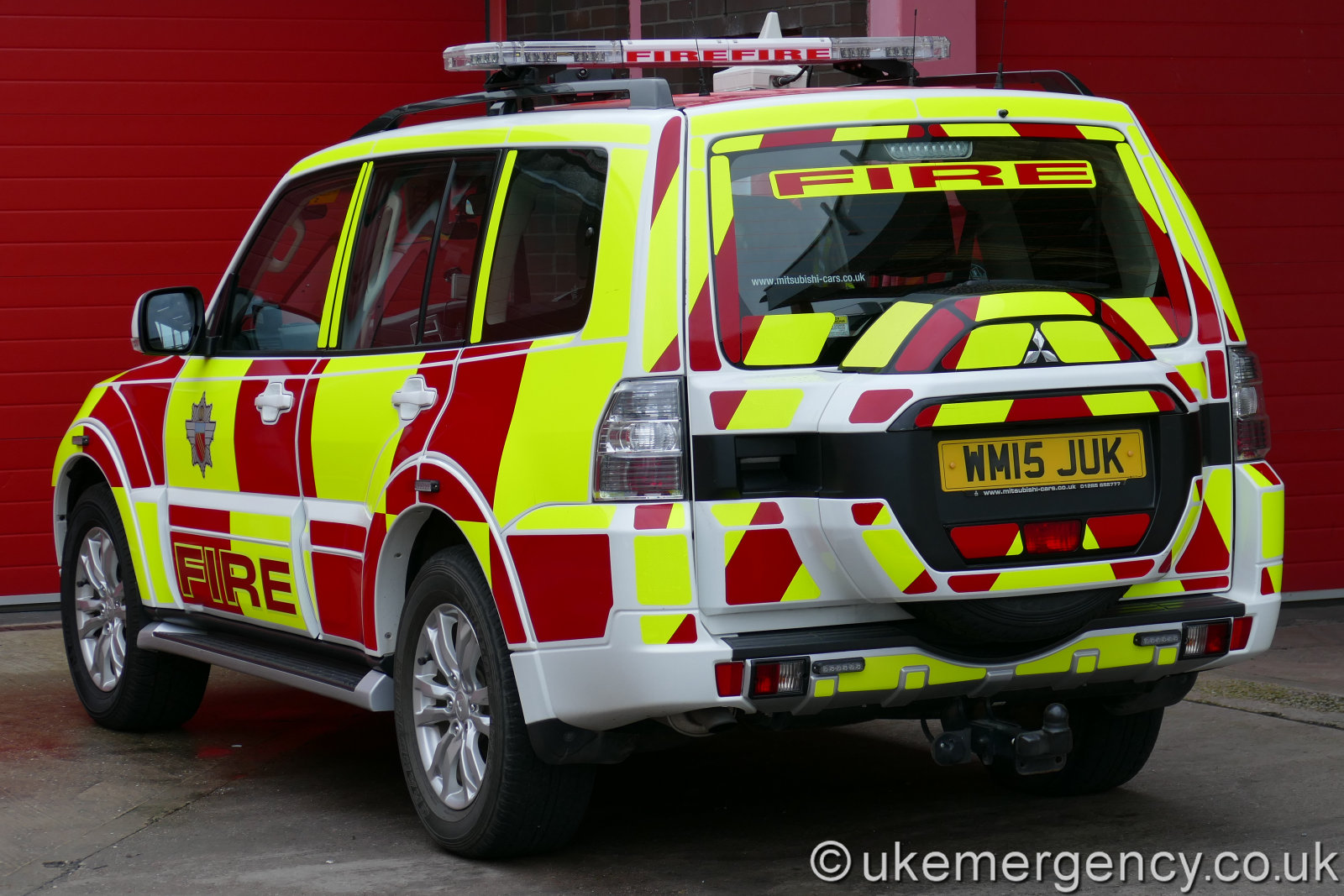
Changes to Battenberg markings (on the side of vehicles):
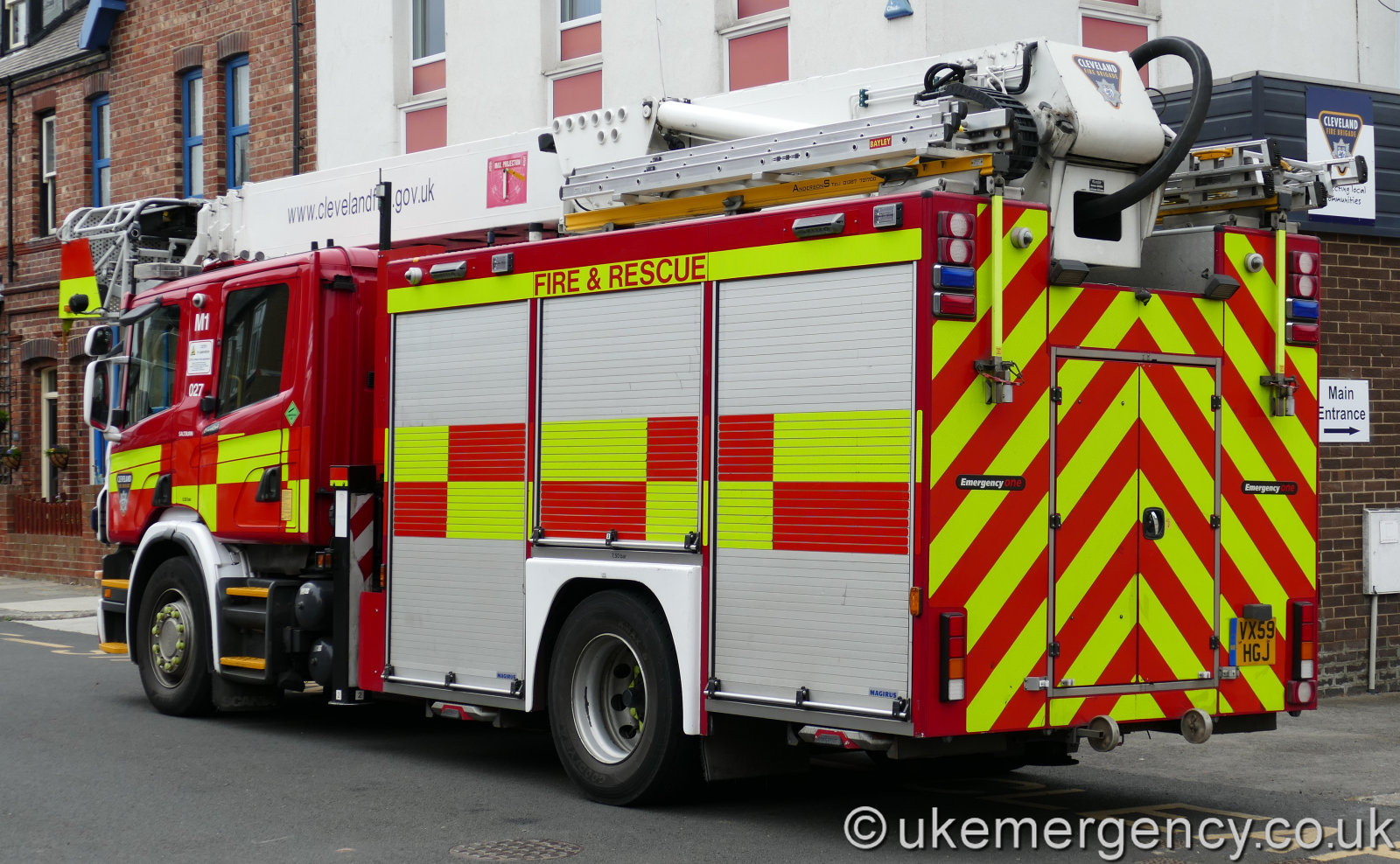
Changes to Chevron markings (on the rear of vehicles):
A number of small changes were made to the lighting regulations in 2005. These are shown in the main document where appropriate, but are summarised here.
There is no authority that issues permission to use blue, green or amber lights on your vehicle. You must just follow the law. Any driver can drive using blue lights without needing any higher qualification that a driving licence. Most services do insist on their drivers undergoing some form of advanced driver training though, and there are moves to establishing a national standard. While using blue lights, drivers are exempt from a number of motoring regulations, including
However, they are not allowed to
*except in the same circumstances as everyone else (for instance to pass a stationary vehicle, slow moving cyclist or horse, or a road maintenance vehicle). This can cause problems for emergency drivers when other road users slow to let them pass where road markings indicate no overtaking.
An emergency vehicle is classed as a vehicle used:
An abnormal load escort vehicle is classed as:
Summary of Lighting Rules In the regulations, lights, reflectors and reflective material are all classed as lights on cars (this means that the public cannot have blue reflective graphics for example). Any colour light is OK to be on a vehicle if it is covered up or not connected up (excluding blue). Only emergency vehicles can be fitted with a blue flashing light, or anything that looks like a blue flashing light, whether working or not. Some of the rules do not apply if the vehicle has just been imported or is about to be exported, or if it is a visiting foreign vehicle. You can’t have a red light showing at the front except:
You can only have a steady white light to the front and a steady red light showing to the rear of your vehicle. The exceptions to this are: BLUE
GREEN
WHITE
AMBER
ALSO
Any flashing warning beacon that rotates must be mounted 1.2 meters above the ground. You must be able to clearly see one or more flashing warning lights from any 'reasonable' position around the vehicle There are no restrictions on the size of the beam of light, wattage or intensity. Each warning light should flash between 1 and 4 times per second and spend an equal amount of time on and off (meaning strobes are not covered).
You can’t have a moving light on a vehicle except for:
You can’t have a flashing light except for:
All lights should be of British Standard All lights for normal night driving should be switched on by one switch (including headlights, side markers and rear registration lights). To use a vehicle that that doesn’t go above 25 mph on a normal dual carriageway you need to fit an amber flashing light. It is OK if you have a very old car or are just crossing the dual carriageway.
Your front and rear lights (including indicators and rear reflectors) must be visible when all the doors, bonnet, boot or similar are open. You can’t have objects overhanging your vehicle greatly without fitting extra lights or warning signs to them. All your lights need to be clean and working. Reflectors just need to work. The exceptions to this are when:
When Flashing Lights Can Be Used
The only times when you can use your blue flashing light are when you are:
The only times when you can use your amber flashing light are when you are:
The only times when you can use your green flashing light are when you are:
Preserved emergency vehicles are not officially permitted to have blue lights attached to them when on the road, even if they are completely covered up and inoperable. Usually common sense prevails and if there is no way of being able to see the blue light unit then the police are happy. In 2008 a petition was created to change this law to the 'common sense' definition. Read the proposal and the government's response
We are often asked by lifeboat crew volunteers if they can fit blue lights to their private cars to get to the lifeboat station quickly when they are alerted to an emergency by pager. The simple answer is no! The only land-going vehicles allowed to have blue flashing lights in this situation are RNLI vehicles specifically designed for the launching of a lifeboat. There are often tractor-type vehicles with the capability to drive into water. Other private lifeboat services are not permitted blue lights, unless being used for a dual purpose, e.g. an ambulance. Crew members are not permitted to use any other colour of warning beacon either. It would not be appropriate to use amber lights as this situation falls outside of the definition of amber light use (see above) and would not speed the journey up at all. One legal alternative is to have a sign on the car to indicate the driver is part of the lifeboat crew. This does not permit any exemptions from road traffic law but does convey the intended message.
We are often asked by retained firefighters if they can fit blue lights to their private cars to get to the fire station quickly when they are called out to an emergency. The simple answer is no! To be permitted to use blue lights, the private car would need to be registered as an emergency vehicle, have insurance as an emergency vehicles, be approved for use by the fire brigade and the driver suitably trained to drive using blue lights. This situation is unlikely to be commonplace. No other colour of flashing light is allowed. One legal alternative is to have a sign on the car to indicate the driver is part of the fire brigade. This does not permit any exemptions from road traffic law but does convey the intended message. It should be noted however that senior fire officers are often given company cars fitted with blue lights as part of their job to respond to major incidents outside of their normal working hours.
Ambulance Community First Responders We are often asked by first responders if they can fit blue lights to their private cars to get to calls quickly when they are called out to an emergency, particularly heart attacks and people who've stopped breathing. The normal answer is no, but to be sure speak to your local scheme coordinator. To be permitted to use blue lights, the private car would need to be insured as an emergency vehicle and be approved by the ambulance service. The ambulance service would also require the driver to be trained to run on blue lights. By the design of this service, responders should not have to travel far to emergency calls. During the journey to the emergency they have no exemptions of road traffic law. Some ambulance services (including private ones) supply responders with a liveried-up car for their work. This may help other road users to see that an emergency response is in progress. In a small number of cases, community responders who are suitably trained are granted permission to use blue lights by individual ambulance services. In the former Staffordshire Ambulance Service area, responders were given vehicles fitted with blue lights but this was criticised by a Healthcare Commission report.
We have been asked a number of times about animal ambulances using blue flashing lights. When used on private land this is usually permissible, for instance at a racecourse with the organiser's permission. However the lights should be covered up when on the road. The transportation of sick or injured animals does not fall into the definition of an ambulance for the purpose of the lighting regulations. Occasionally police will permit blue lights to be used on the road when being escorted by a police vehicle also showing blue flashing lights. Some animal ambulance companies have an understanding with the local police that they can show blue light (switched on or not) on their vehicles. It is recommended that a formal Memorandum Of Understanding (MOU) is written up and signed by both sides to help reduce the chance of a prosecution for incorrect lighting. This agreement would then only be valid in the local police force area, and not in any other part of the country.
Police, fire and ambulance vehicles are allowed to use a sirens or similar audible emergency warning devices. Other specifically mentioned permitted users are bomb disposal, blood service, coastguard, mine rescue, RAF mountain rescue and lifeboat launching vehicles. In 2005 the regulations were changed to allow the Ministry of Defence’s nuclear response team and Revenue & Customs to use sirens too. Emergency services can use the normal horn or the siren when stationary and at night, unlike the restrictions of a normal car horn. Some devices that are similar to sirens are allowed on non-emergency vehicles. These include car alarms, reversing alarms and chimes on ice cream vans. Information about sirens comes from The Road Vehicles (Construction and Use) Regulations 1986 (Part II F 37 and Part IV E 99) & The Road Vehicles (Construction and Use) (Amendment) (No.2) Regulations 2005.
There is no requirement for people driving emergency vehicles to be trained beyond a normal driving licence. Drivers of police, fire and ambulance vehicles who wish to be exempted from speed limits will be required to be officially trained. This rule has been included in a 2006 Act but it has not yet been made law. At present there is no indication as to when it will be made law. There are concerns that there will be too much demand for the existing driver training courses. The full details can be read in Section 19 of the Road Safety Act 2006 which will amend Section 87 of the Road Traffic Regulations Act 1984 (see links below). The full legislation on lighting is available to view on the website of the Office of Public Sector Information (formerly HM Stationary Office). Below are the links to the relevant parts of the Road Vehicle Lighting Regulations: The Road Vehicles Lighting Regulations 1989 (1 November 1989): The Road Vehicles Lighting (Amendment) Regulations 2005 (21 October 2005) The Road Vehicles Lighting (Amendment) (No. 2) Regulations 2005 (12 December 2005) The Road Vehicles (Construction and Use)(Amendment)(No.4) Regulations 2009 (4 January 2010) The Road Safety Act 2006, Section 19
The information on this page is provided in good faith to give an overview of current legislation. Parts remain crown copyright. We cannot be held responsible for any mistakes or misinterpretations that exist or for any action taken after reading this. ?
|