RAF Westland Whirlwind HAR 10
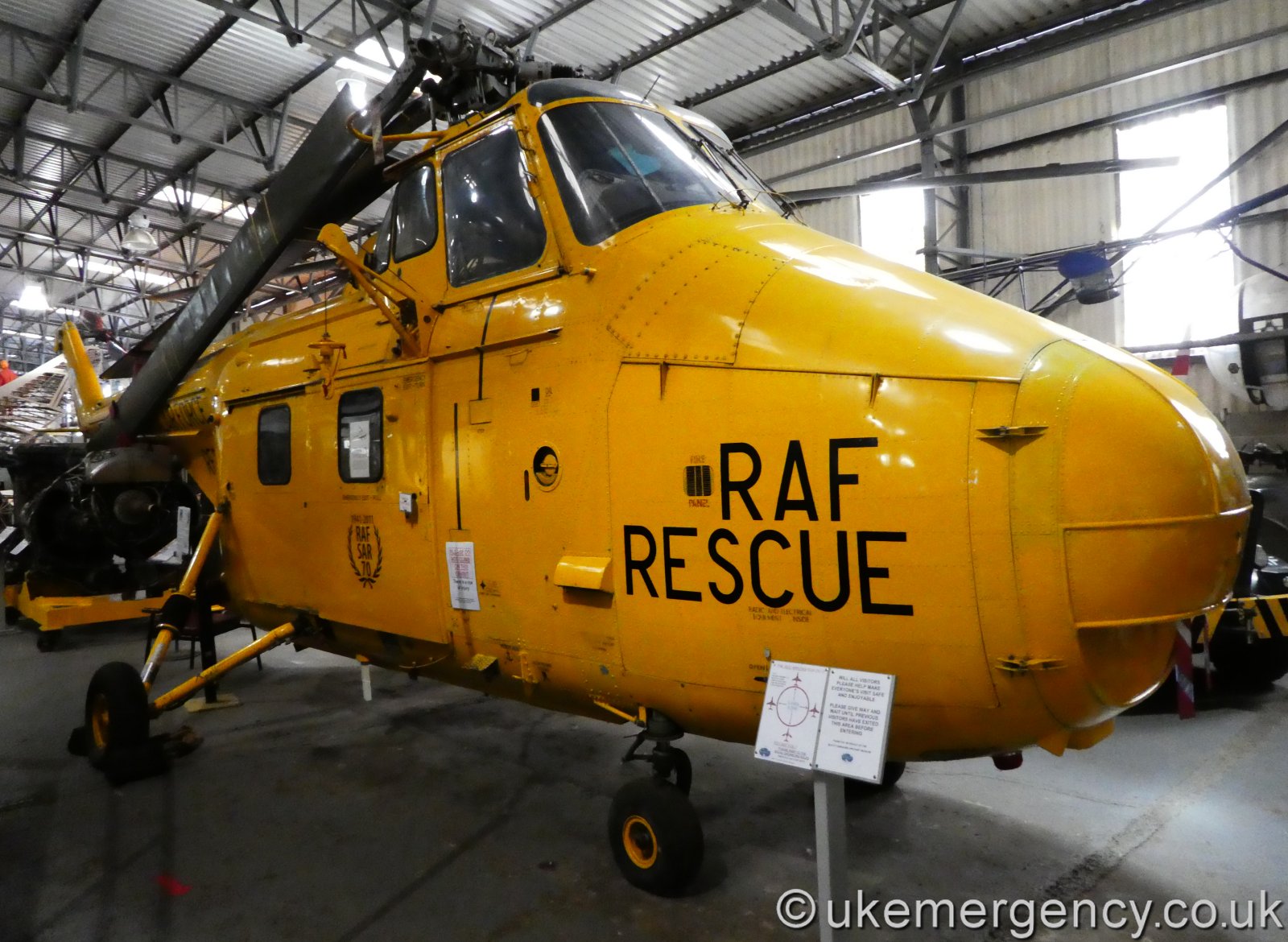
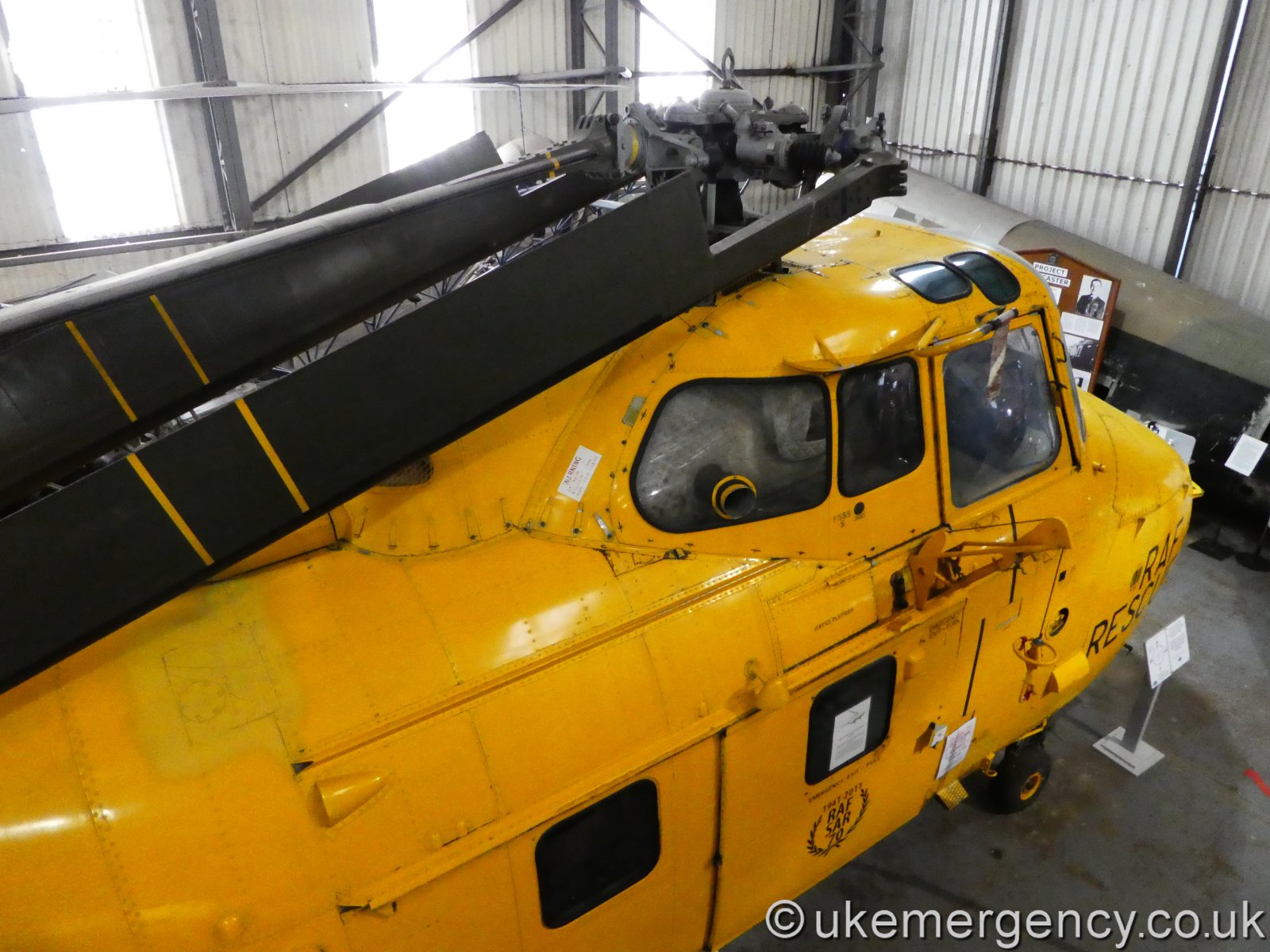
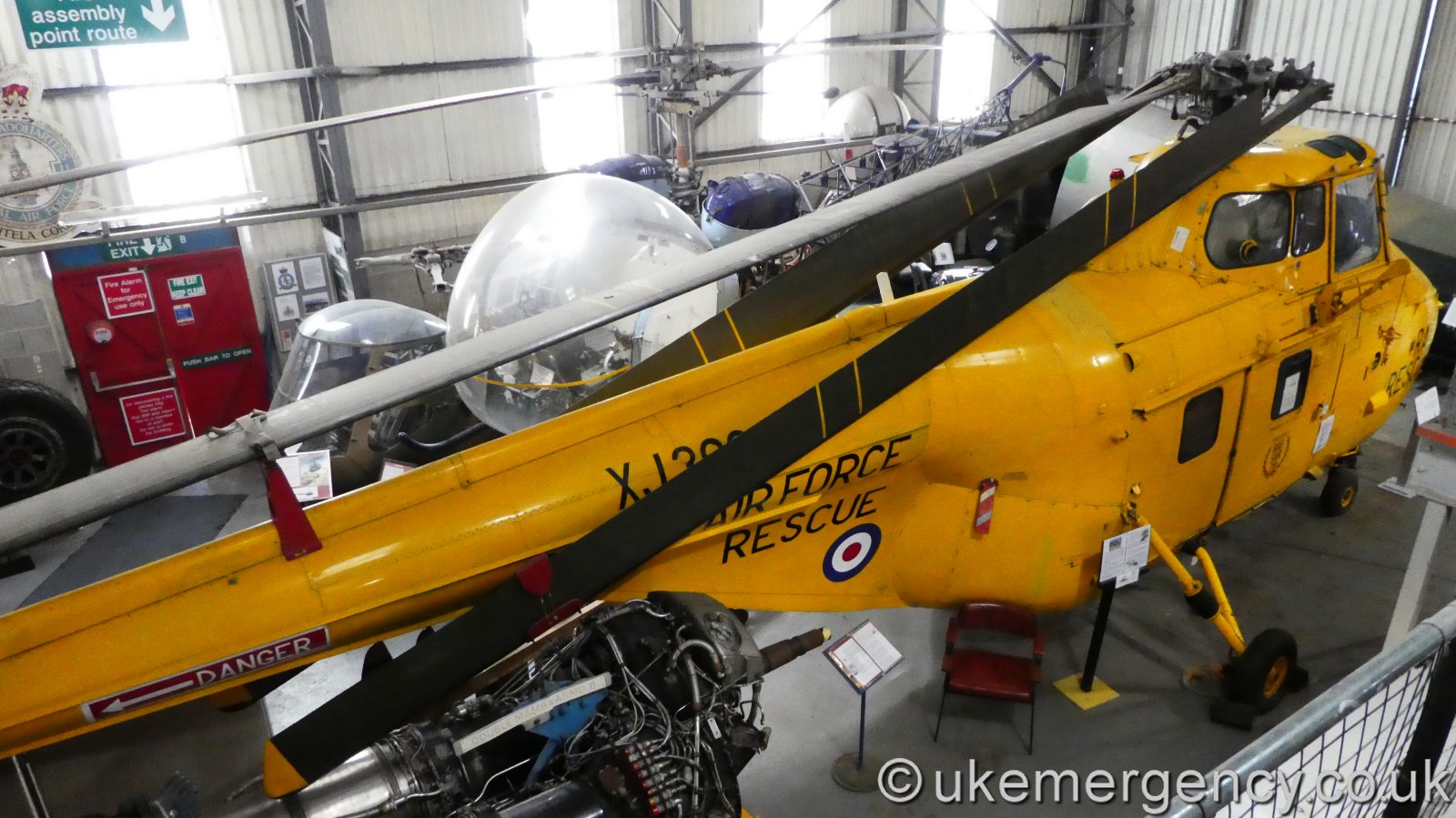
RAF
Westland Whirlwind HAR 10
Search and Rescue helicopter, seen in the Doncaster Air Museum

Search and rescue teams are used for accessing remote casulaties and helping locating missing people.
RAF
Westland Whirlwind HAR 10
Search and Rescue helicopter, seen in the Doncaster Air Museum
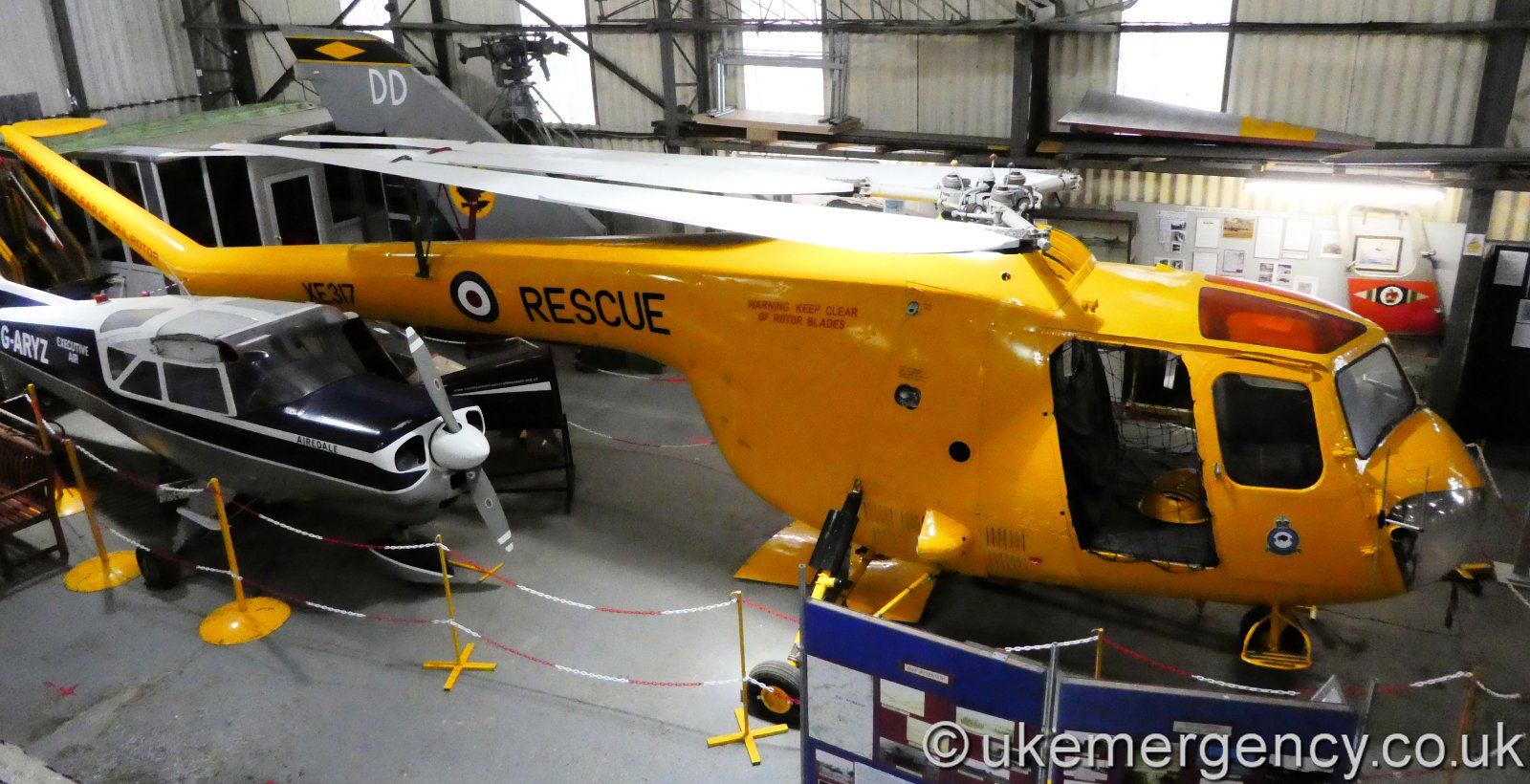
XE317
RAF
Bristol Sycamore HR14
This rescue helicopter, based on a 1940s design, served at RAF Thornaby in Teesside and in Norther Ireland. It has a 1,000 lb payload and can accommodate three passengers
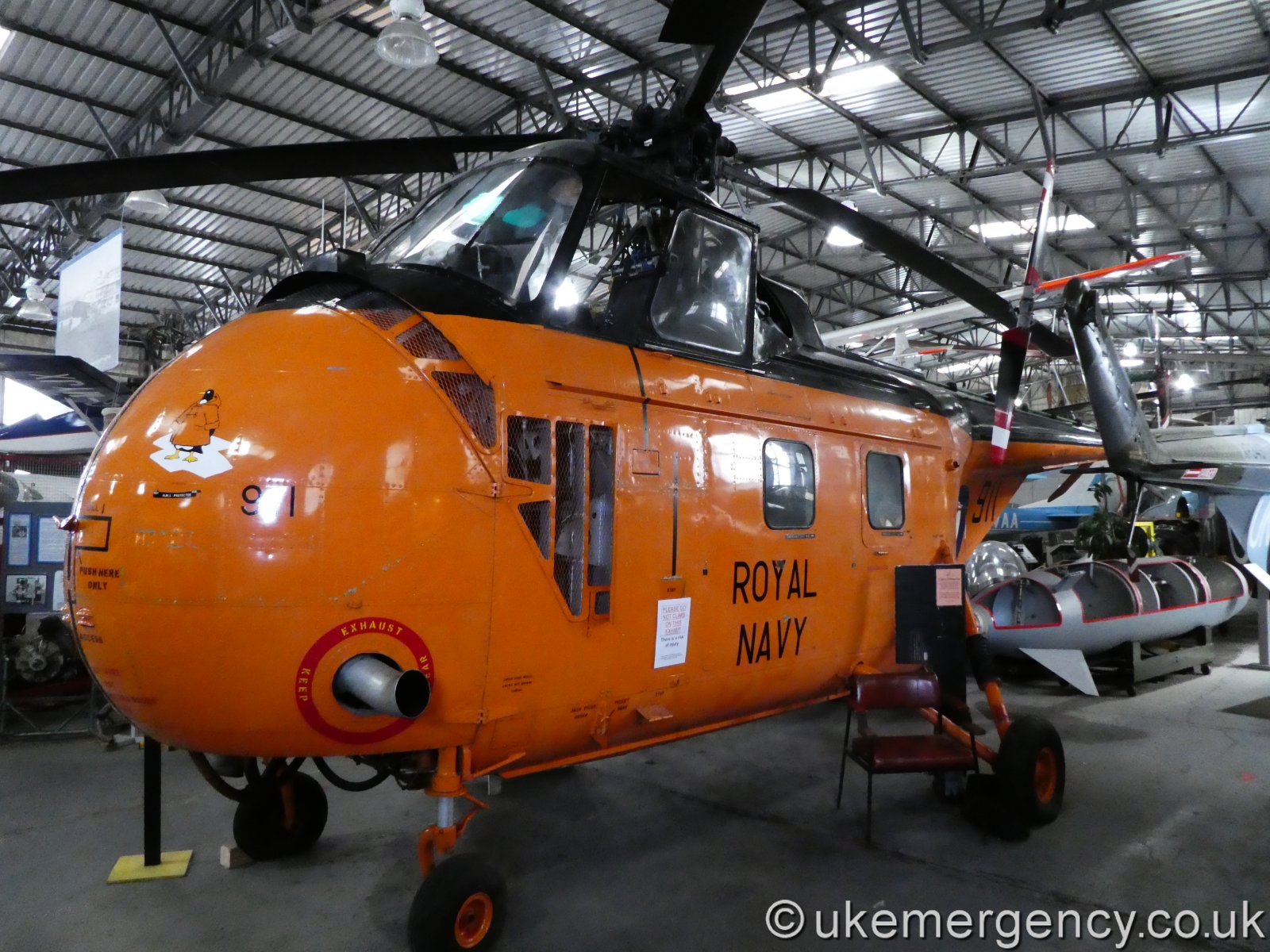
Royal Navy
Westland WS-55 Whirlwind
Search and Rescue helicopter, seen in the Doncaster Air Museum
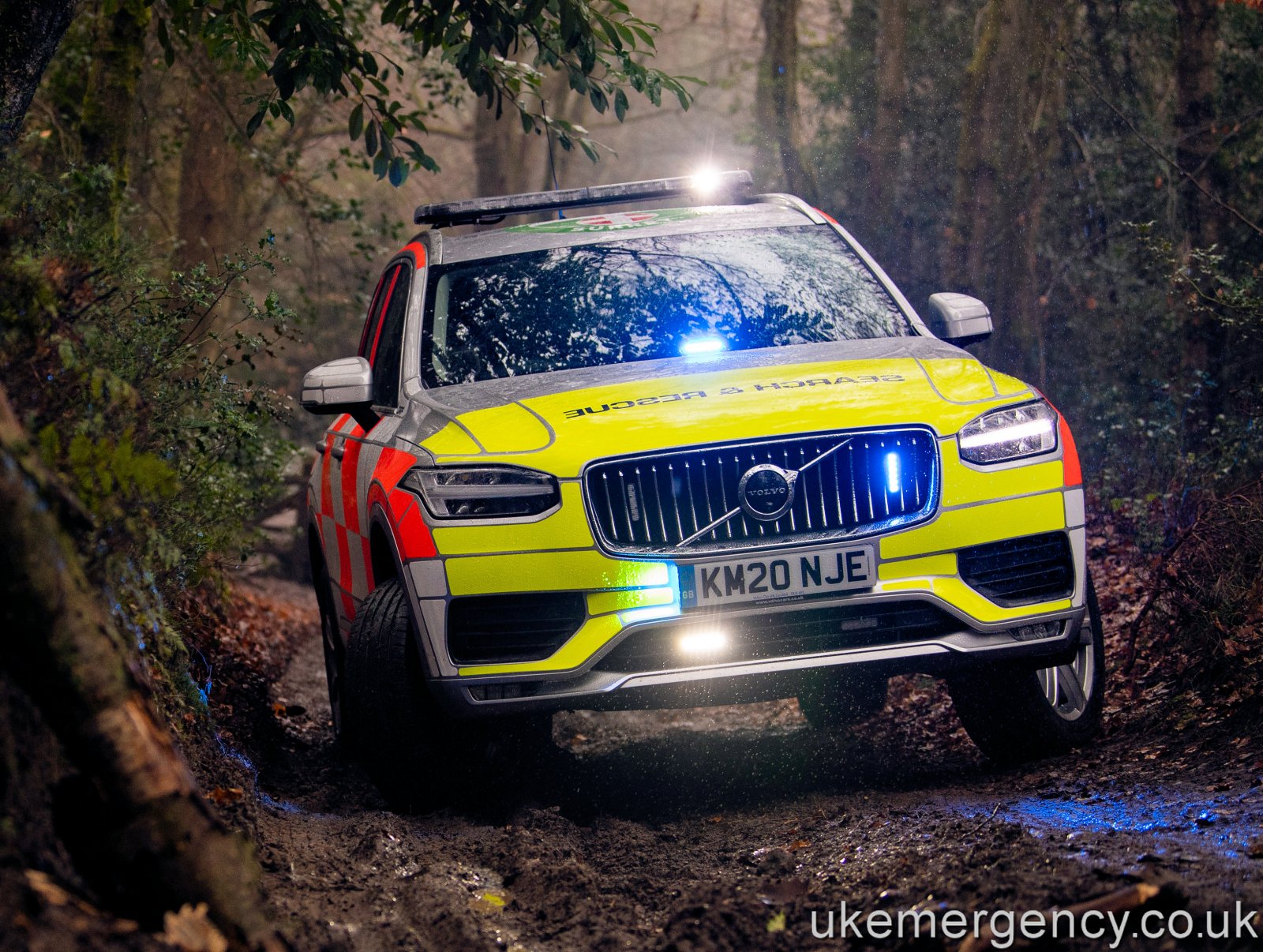
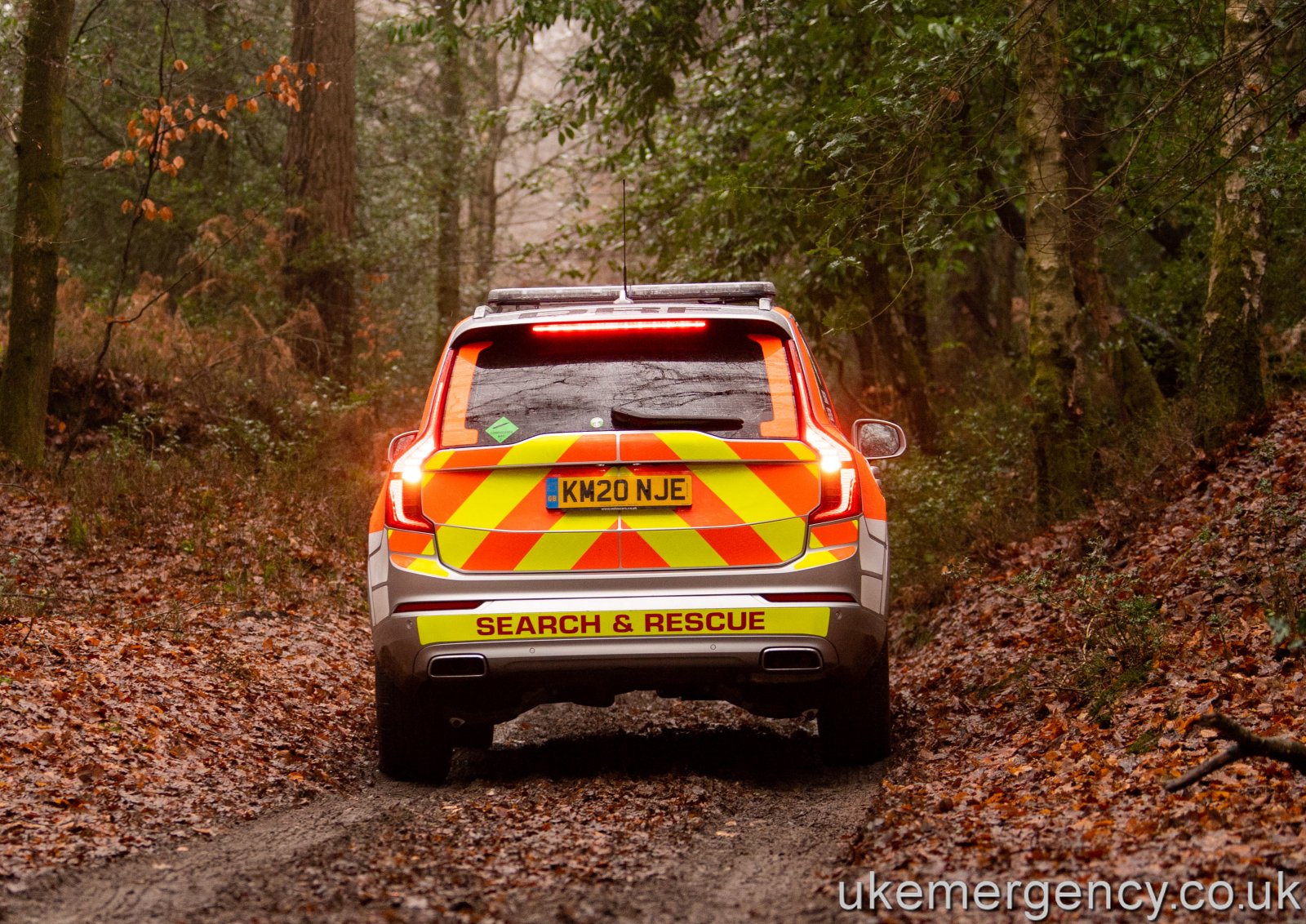
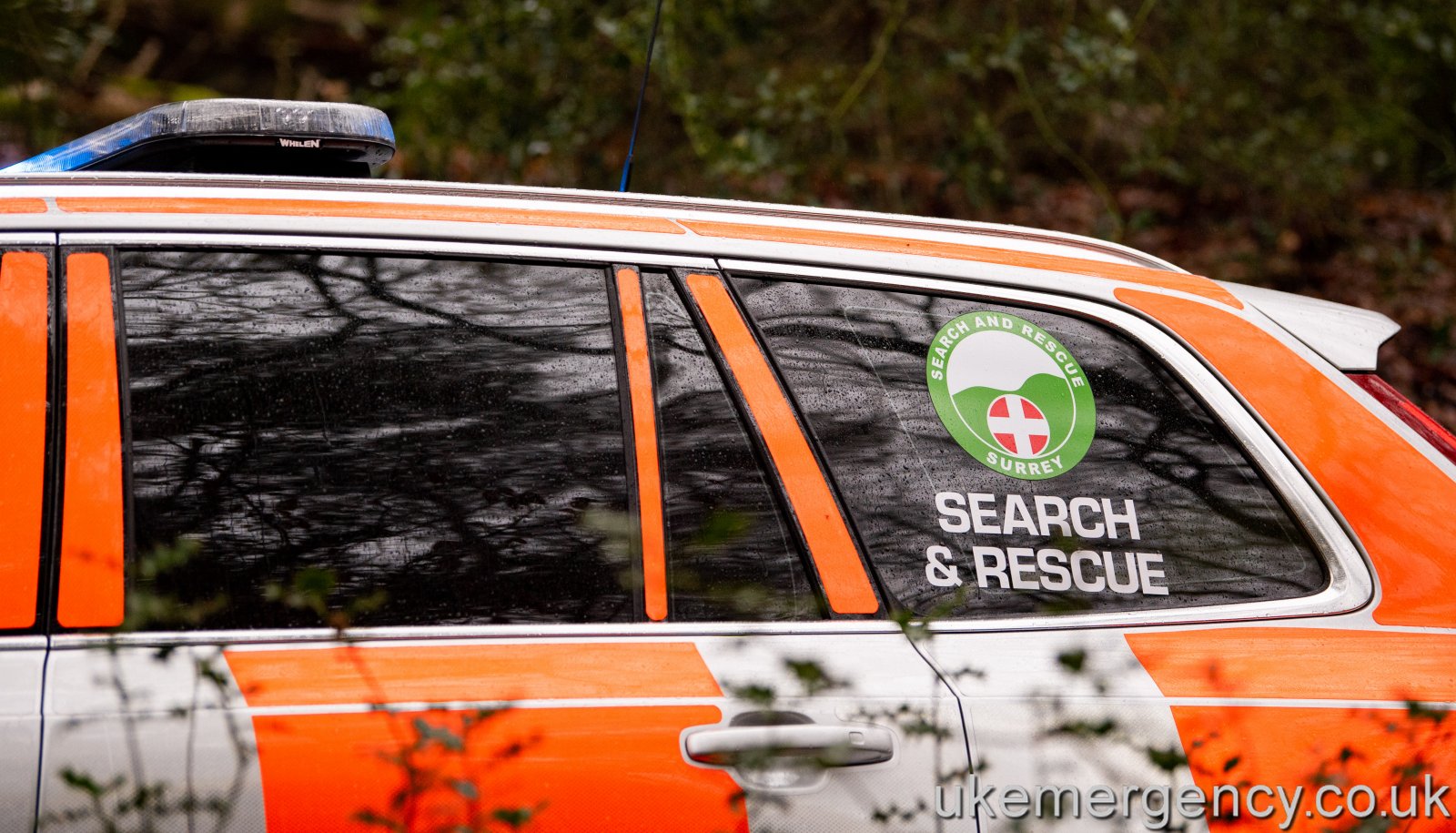
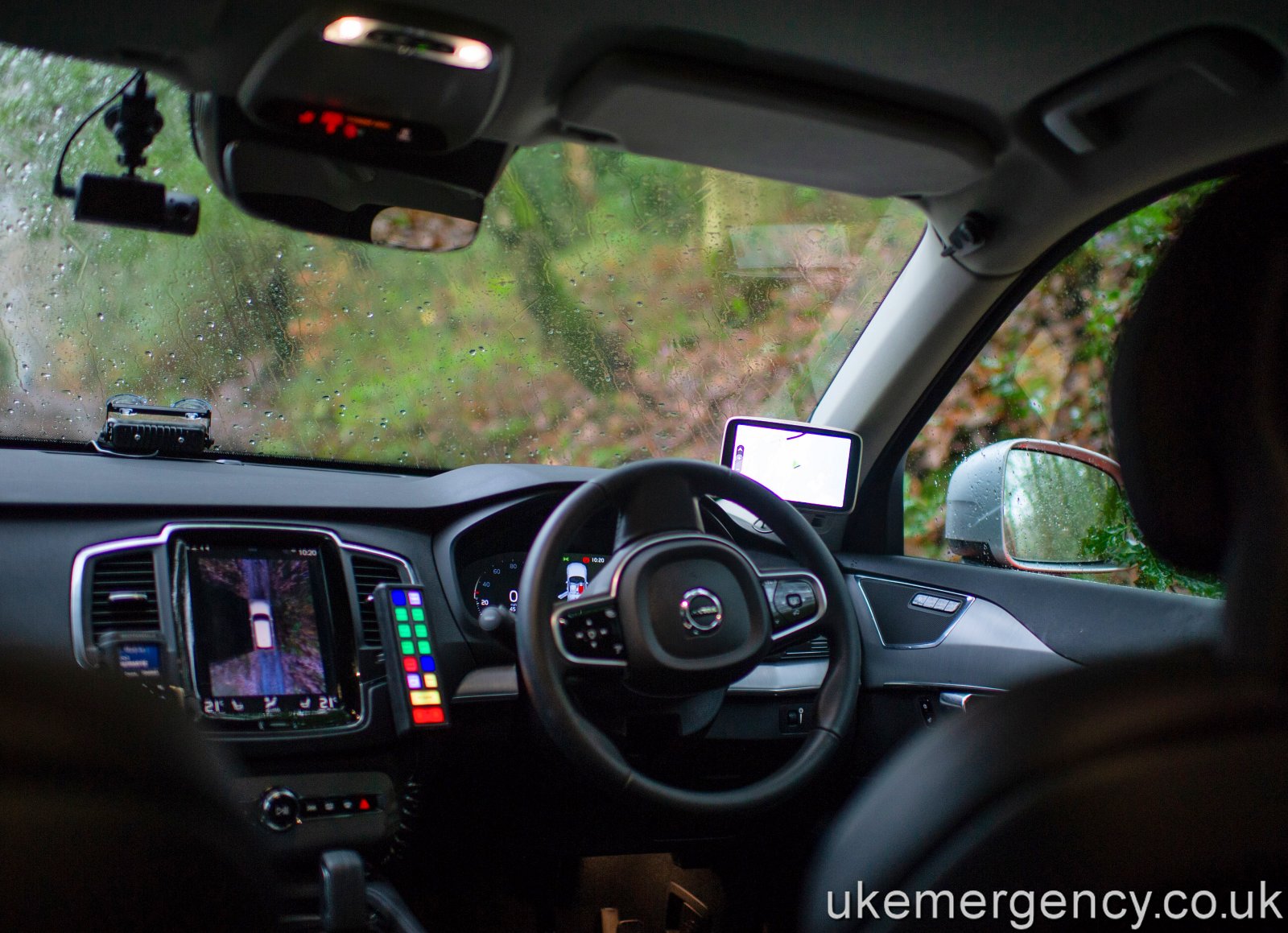
KM20 NJE
Surrey Search and Rescue
Volvo XC90
New at the end of 2020, the hybrid car is used as an initial response vehicle and carries a medical kit and a drone among other kit
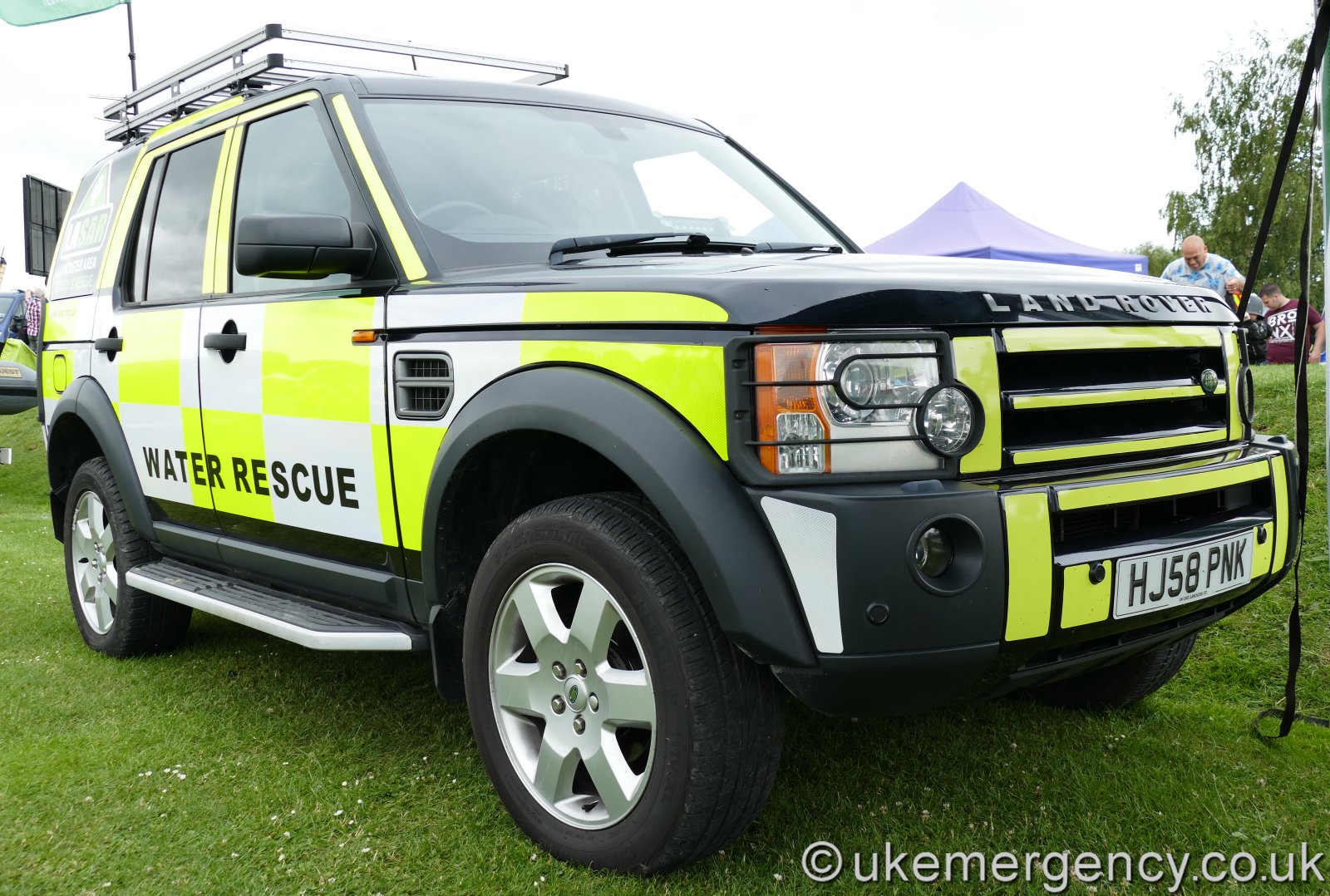
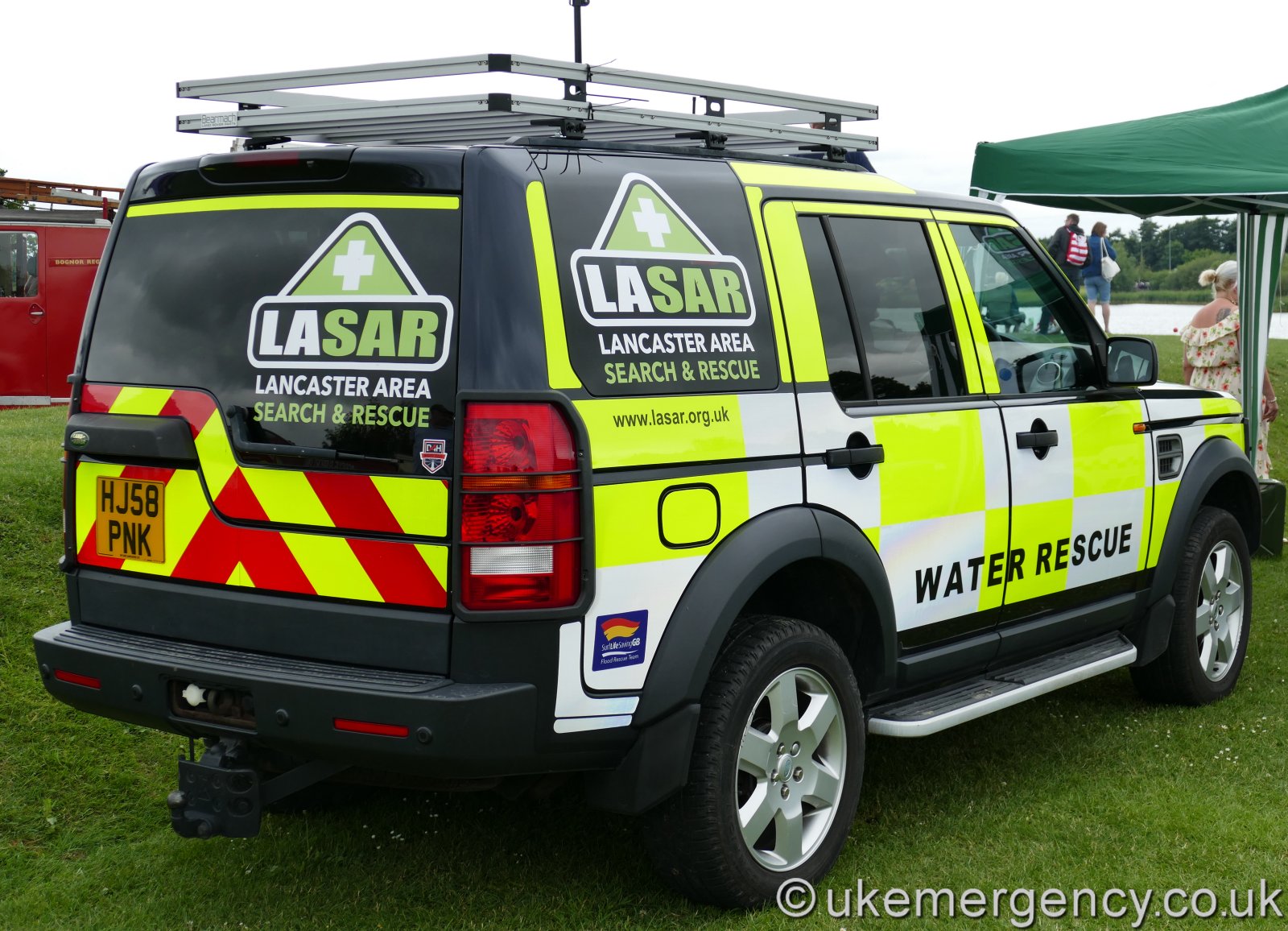
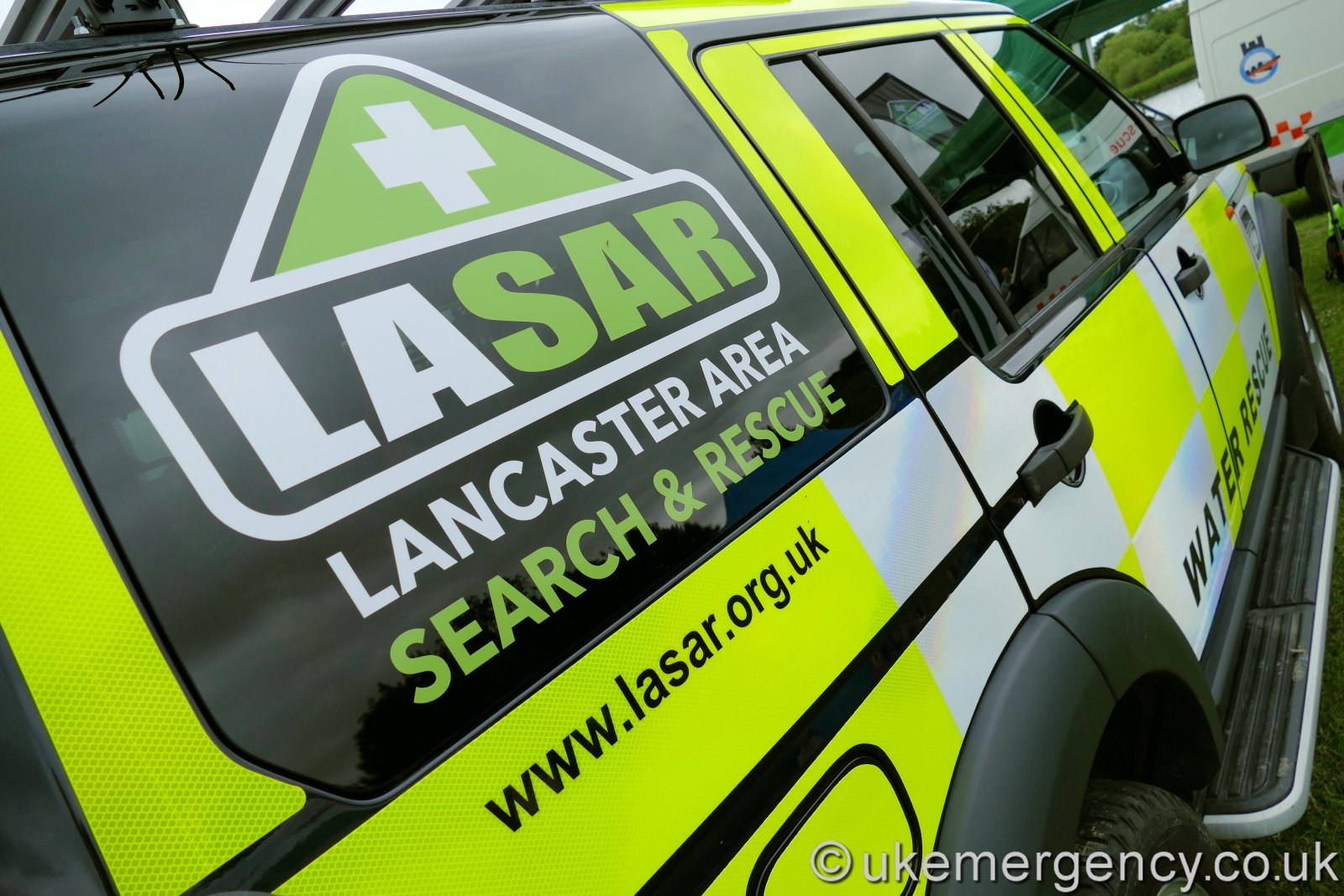
HJ58 PNK
Lancaster Area Search and Rescue
Land Rover Discovery
Water Rescue unit. The yellow and white battenburg markings look really striking against the black bodywork
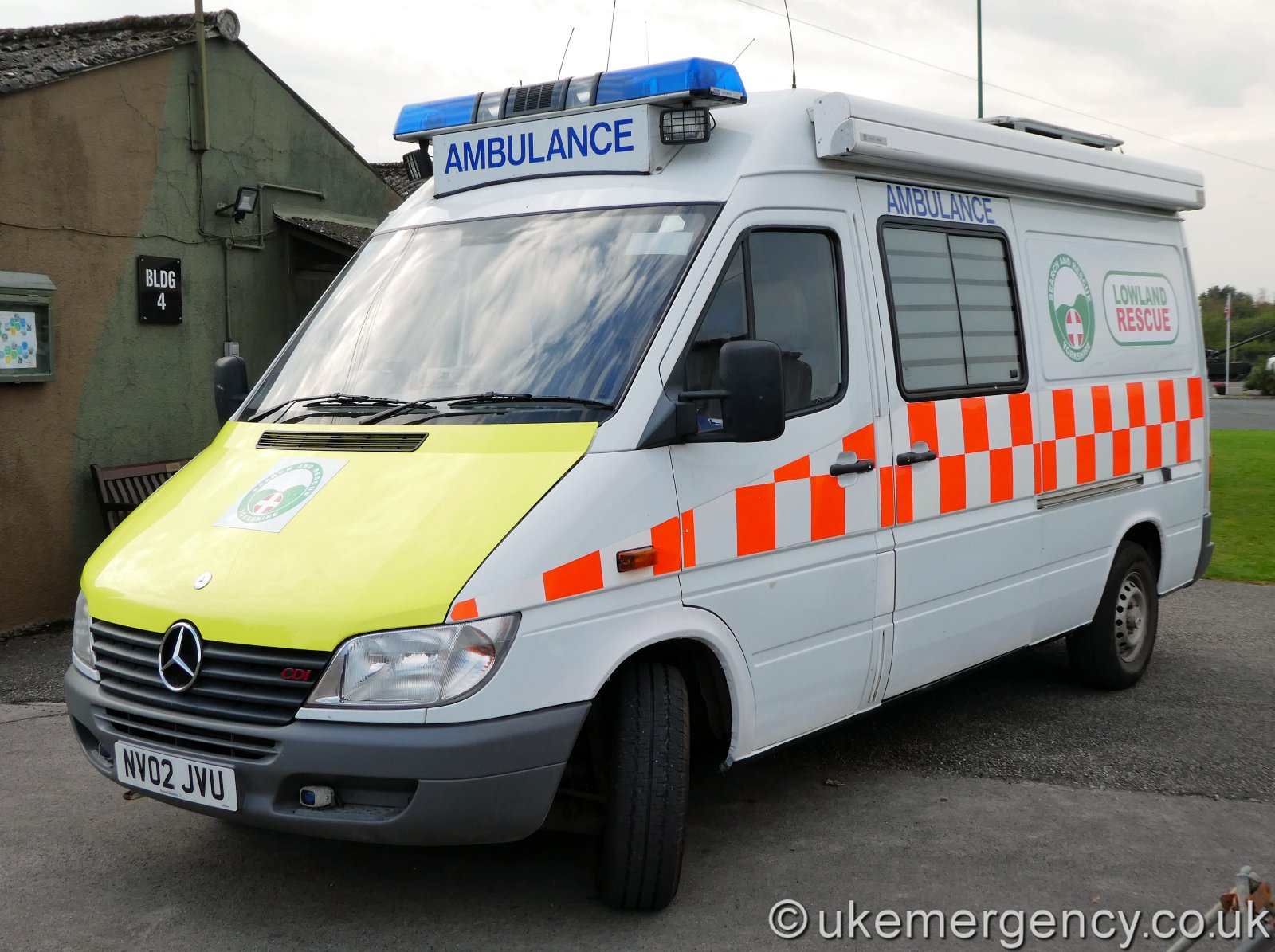
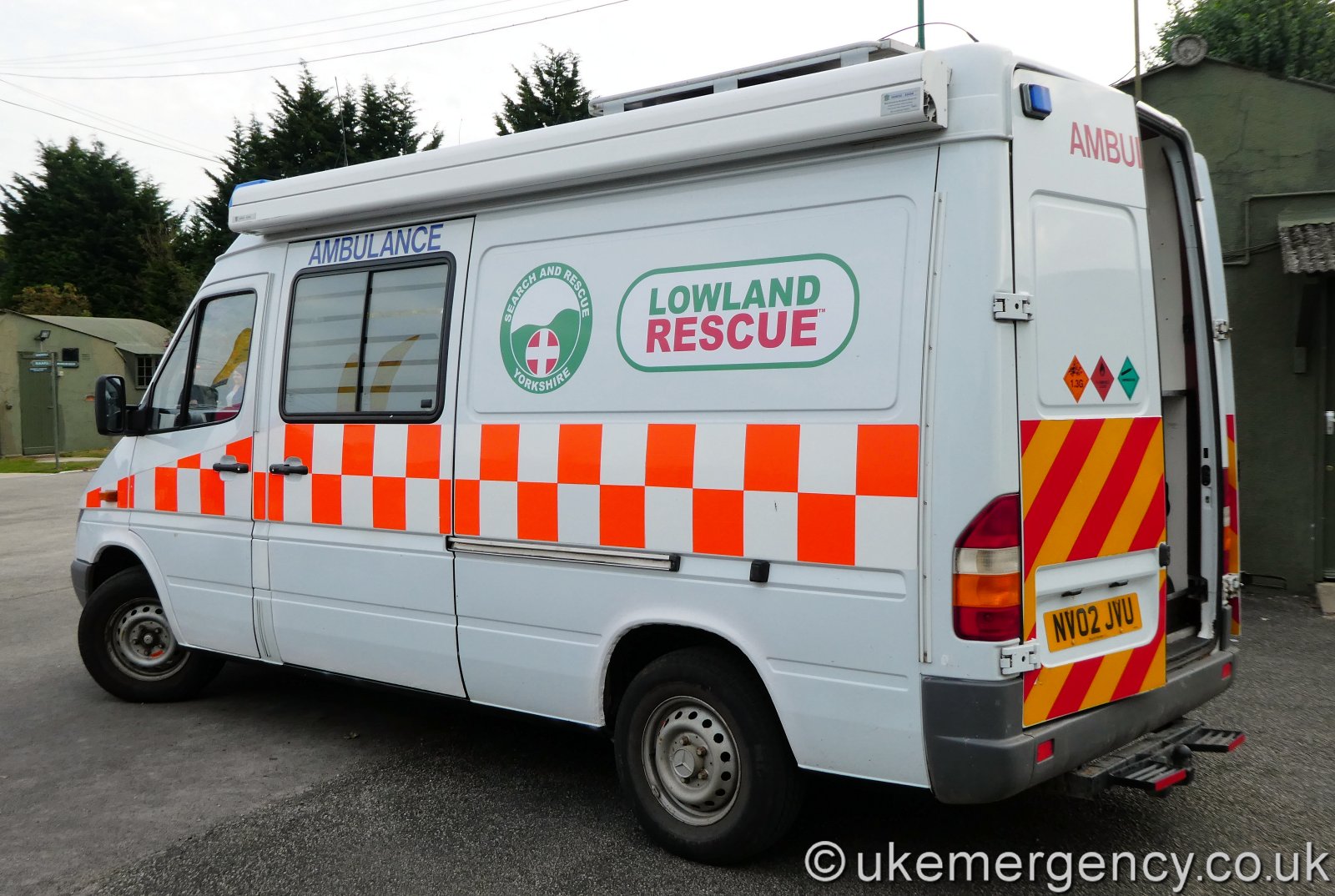
NV02 JVU
Yorkshire Lowland Search and Rescue
Mercedes Sprinter
This vehicle was new to this SAR team in 2019 as a control unit. Previously it had been used by Scarborough & District SAR Team for over 10 years.
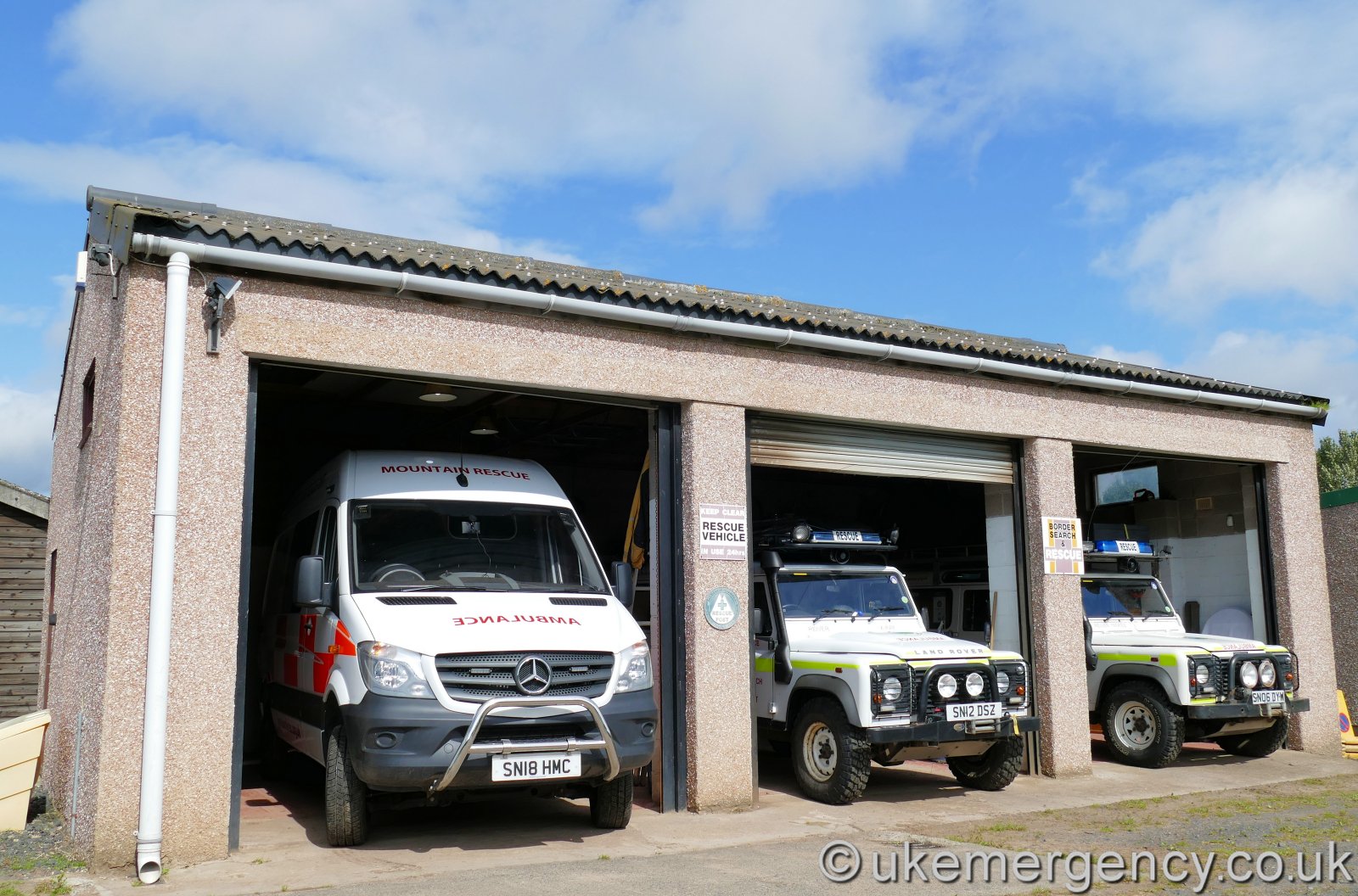
Border Search and Rescue
The line up of vehicles at the rescue base in Kelso. The base is a garage with three doors and is no longer suitable for us by the service. There are no toilet facilities, the vehicles only just fit in and there is very limited storage space for equipment. Other equipment is stored at another site one mile away which slows down response times to rescue calls. They are currently fundraising £450k for a new purpose built base that will meet the needs of the organisation.
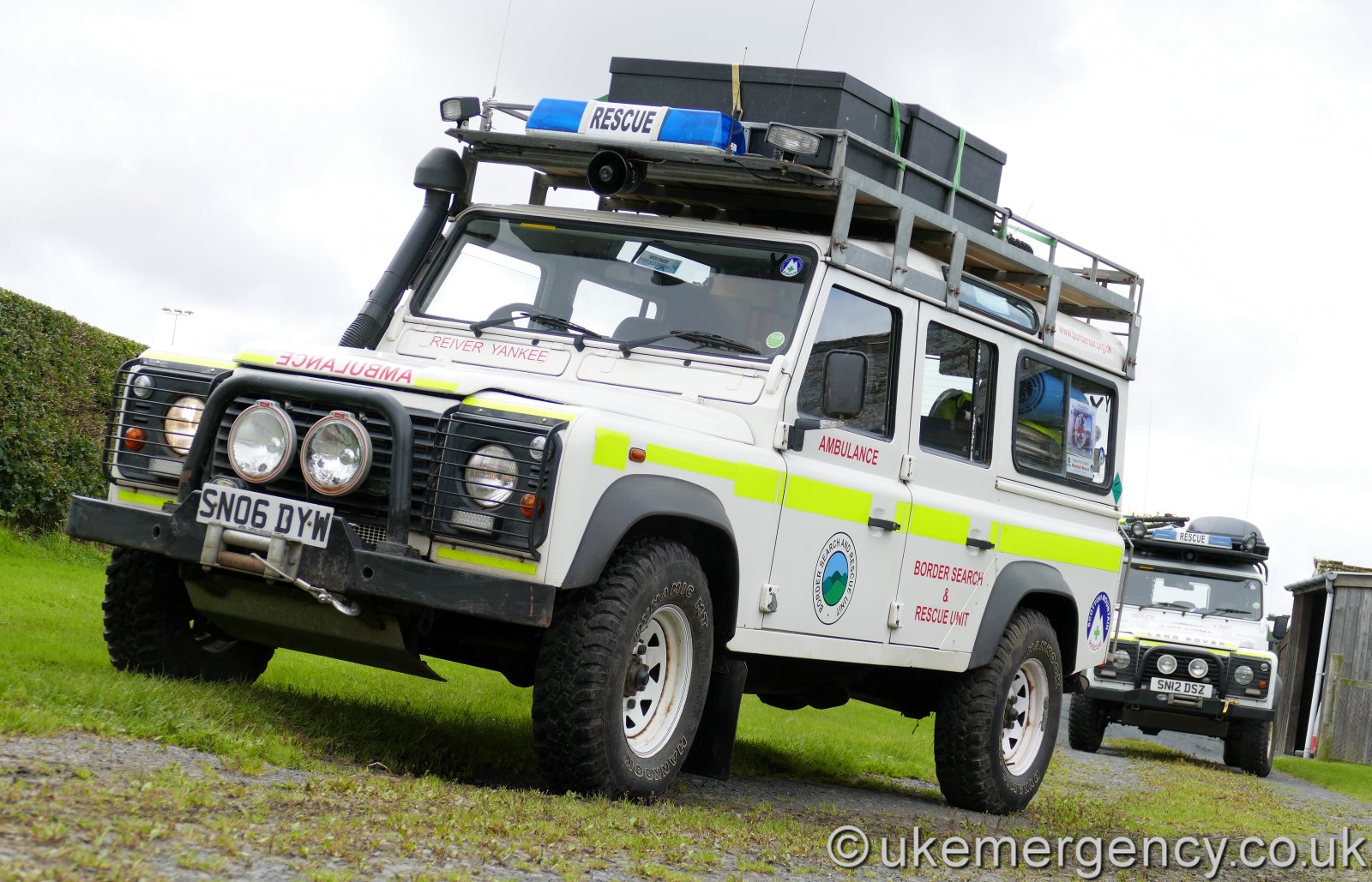
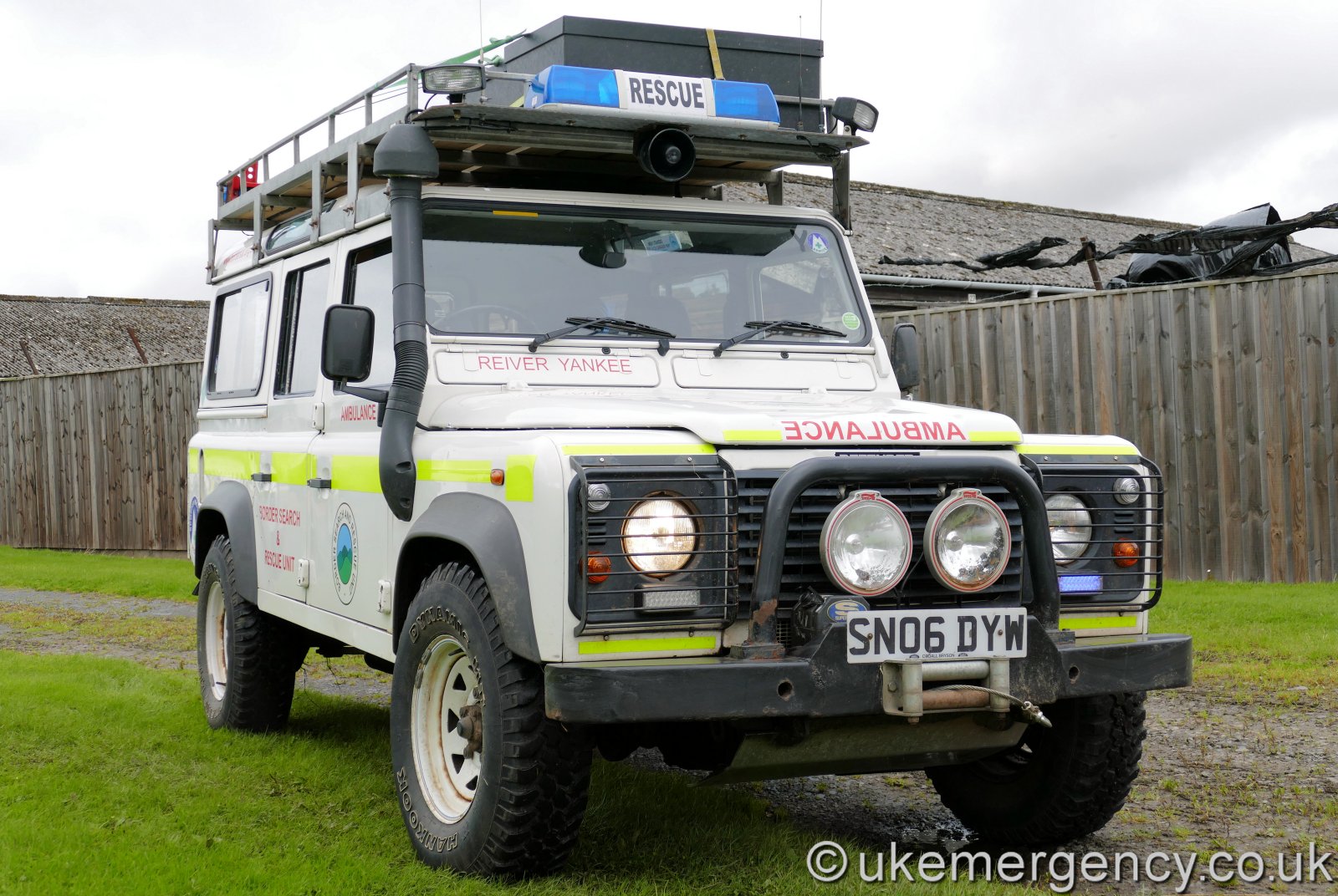
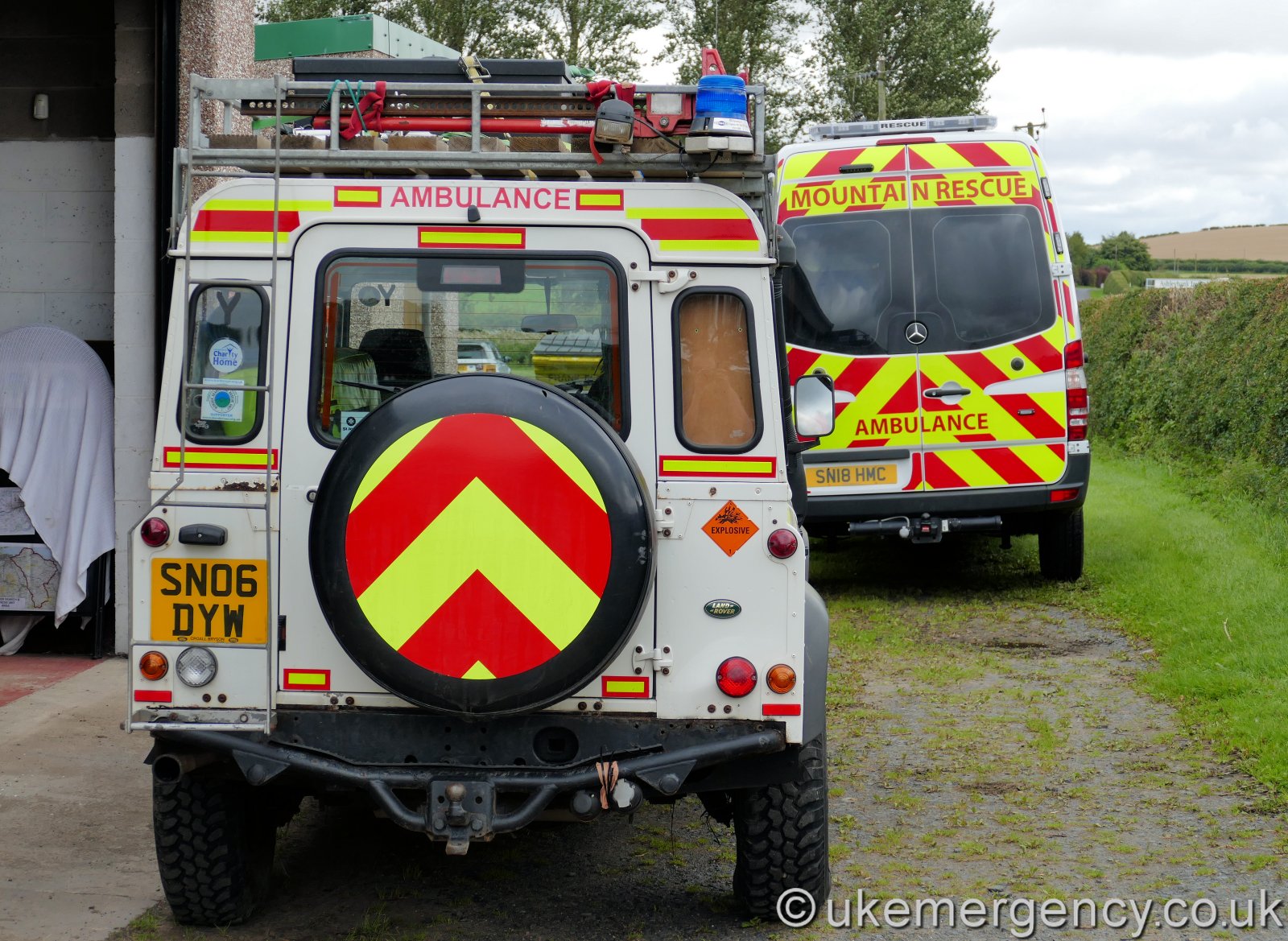
SN06 DYW
Border Search and Rescue
Land Rover Defender
Based at Kelso, Scotland. The team respond to call outs made via the police to searches in the Scottish Borders. Working on the boundary between two countries brings its unique challenges, such as identifying which side of the border a found body was on (and therefore which police service will investigate it) and working with neighbouring North of Tyne SAR who are under the Mountain Rescue England and Wales umbrella rather than the Scottish equivalent.
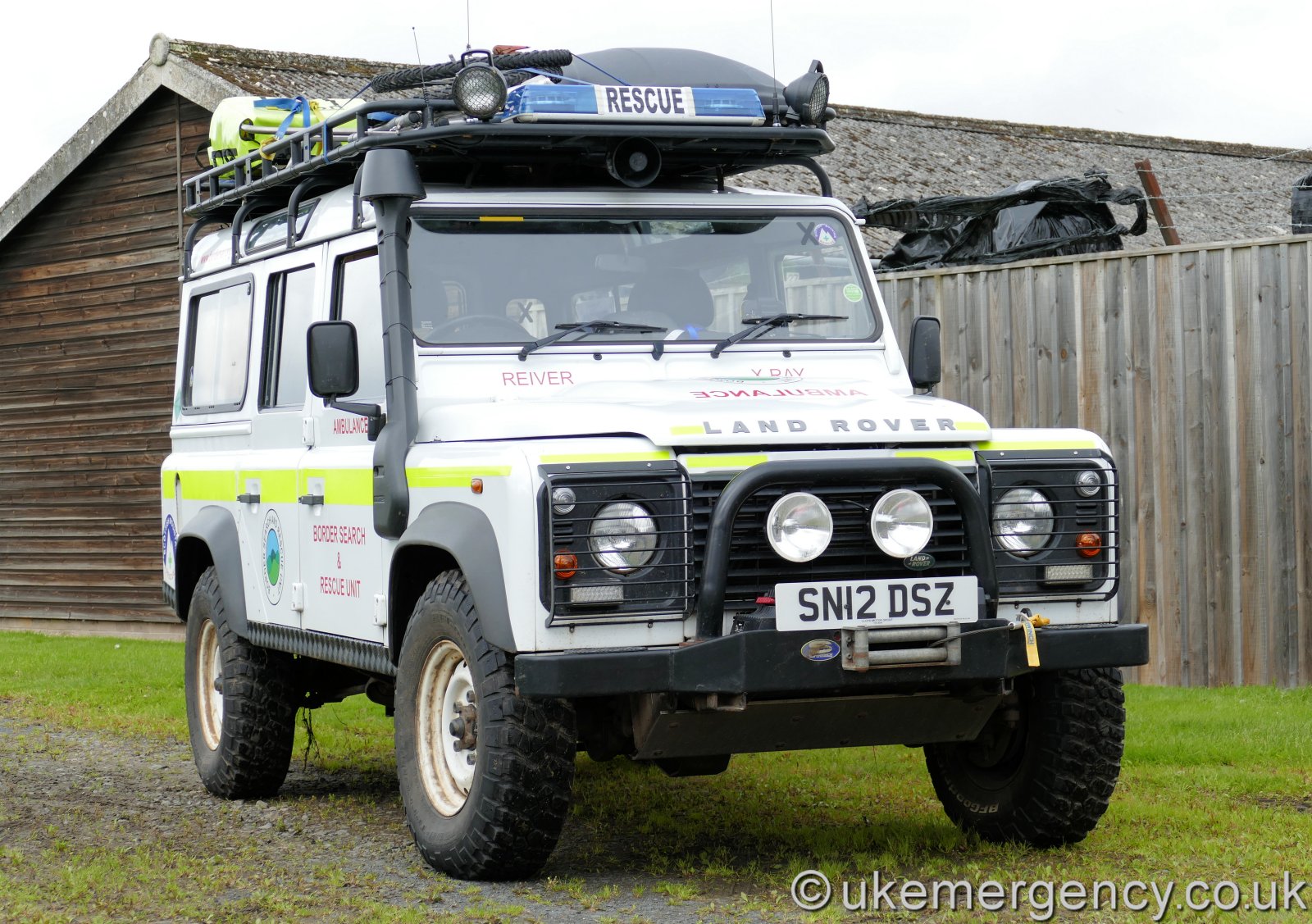
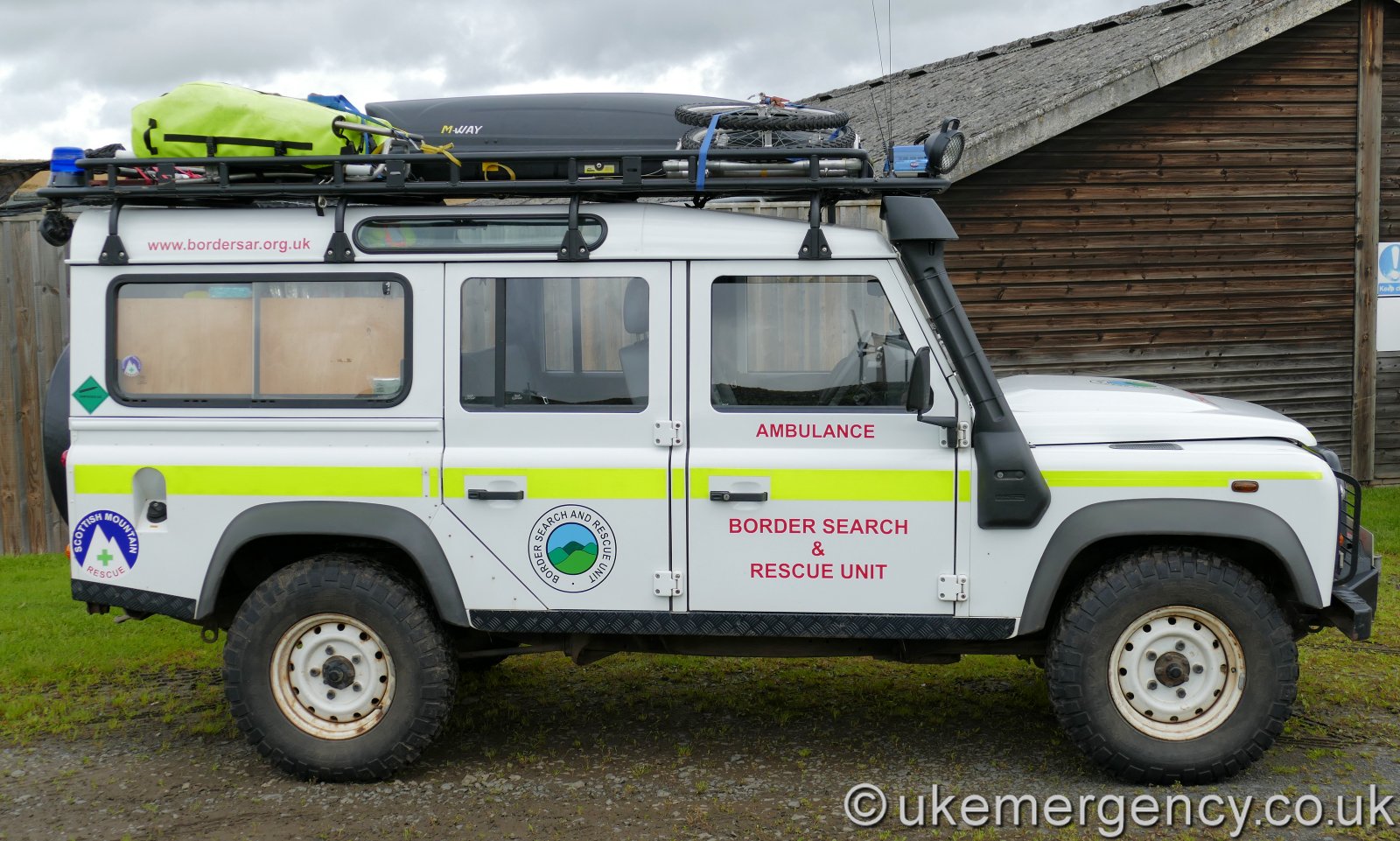
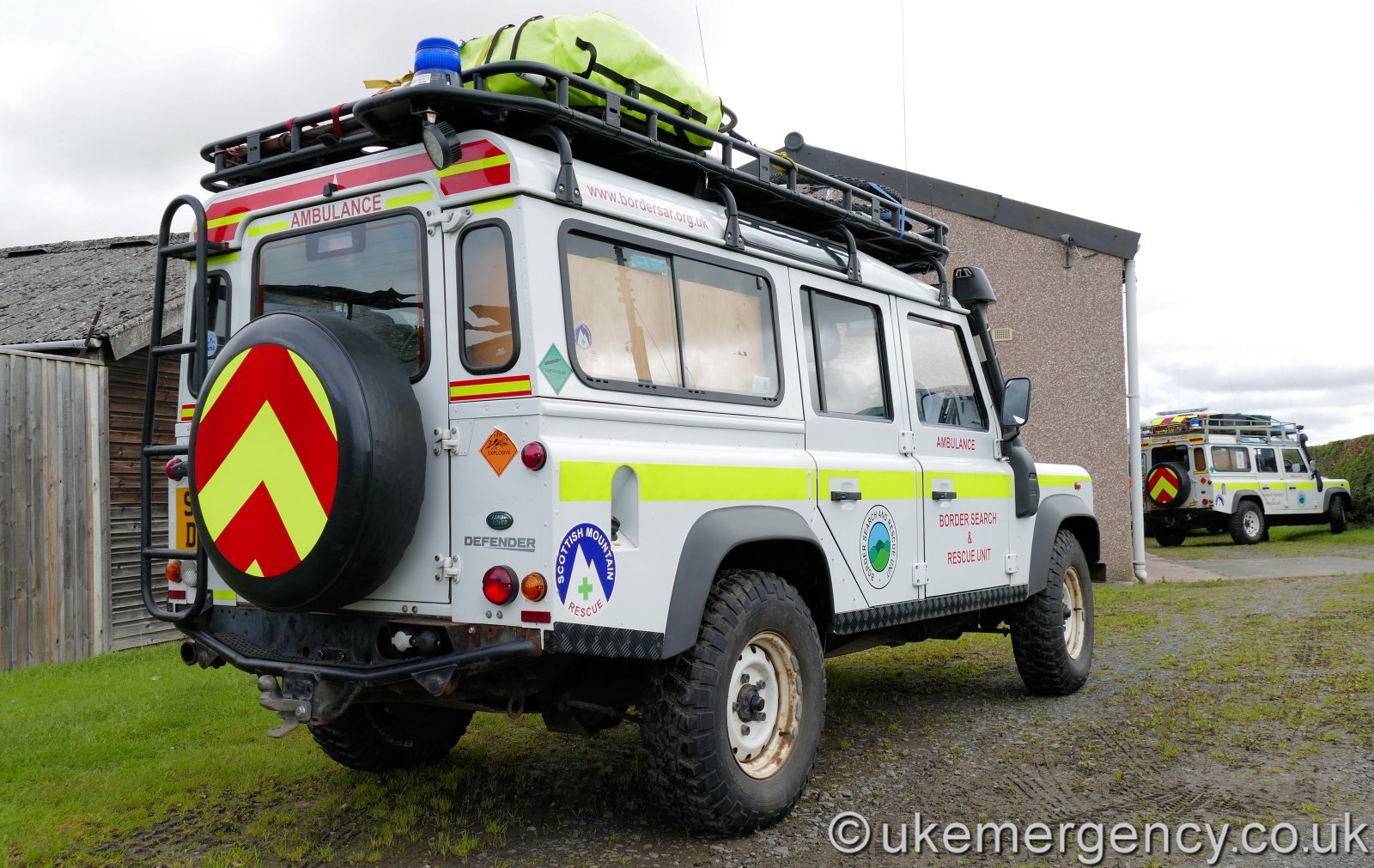
SN12 DSZ
Border Search and Rescue
Land Rover Defender
Used by the volunteer rescuers based at Kelso.
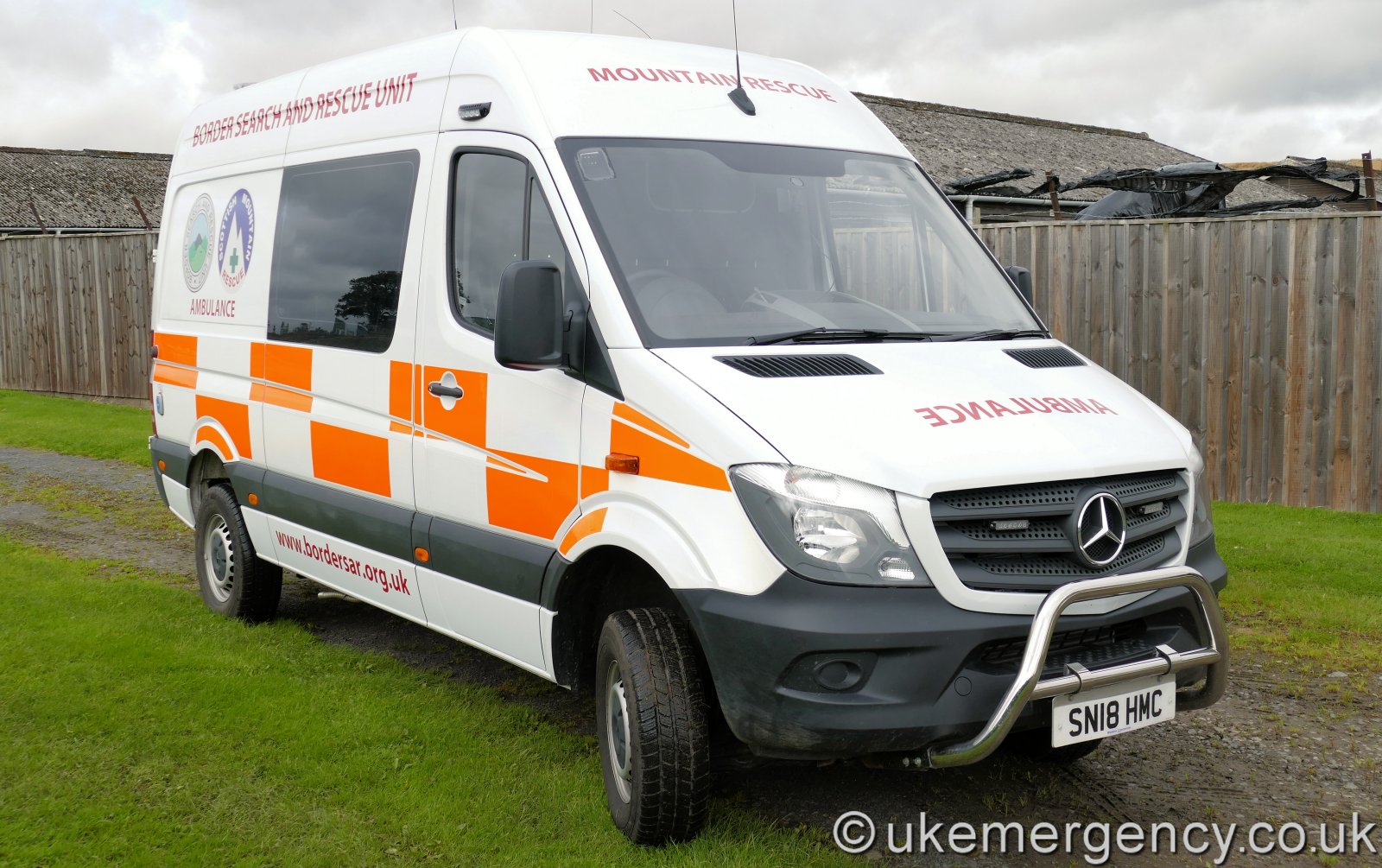
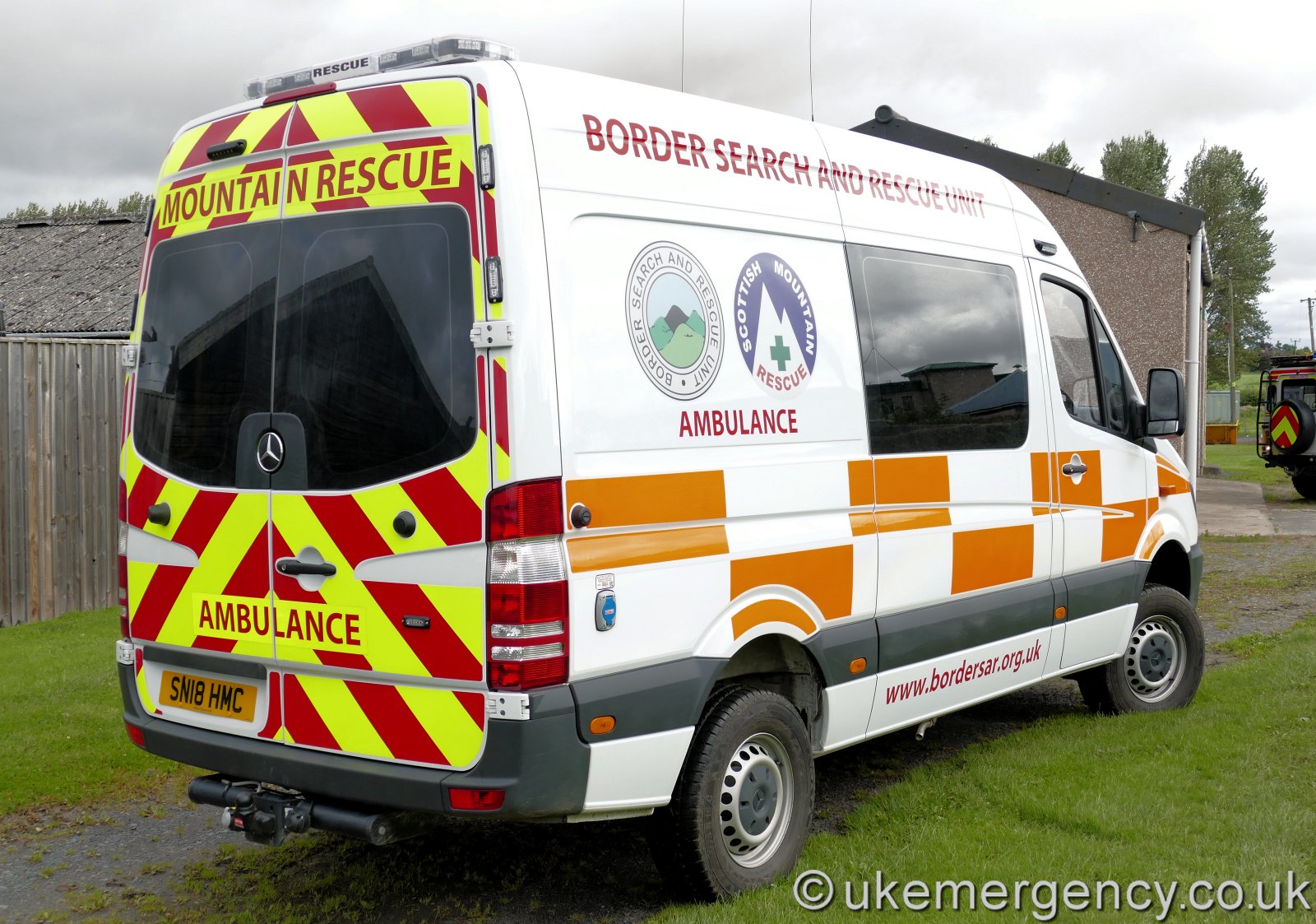
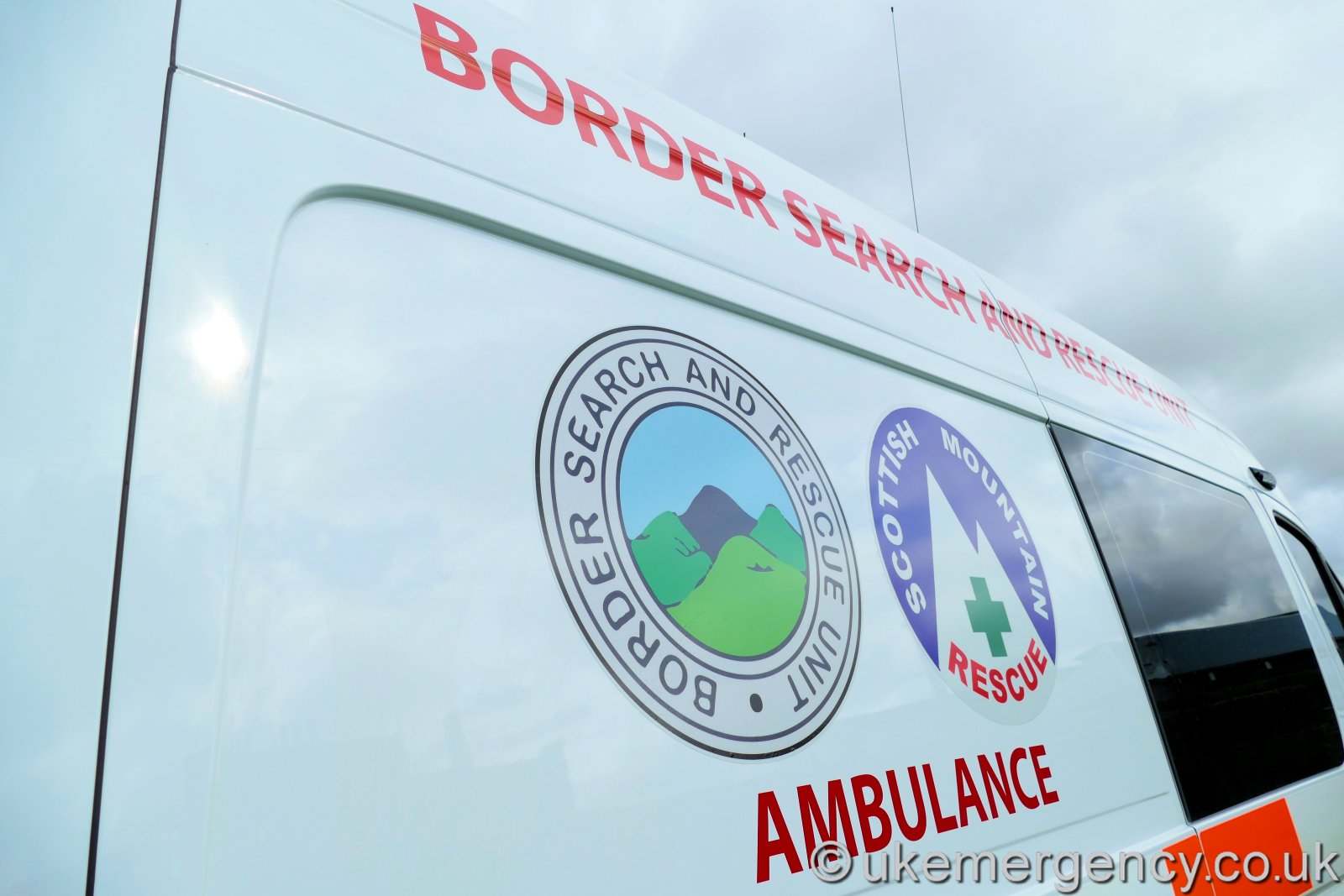
SN18 HMC
Border Search and Rescue
Mercedes Sprinter
Call sign Reiver Zulu, this was new in June 2018 and replaced a S registration Ford Transit County
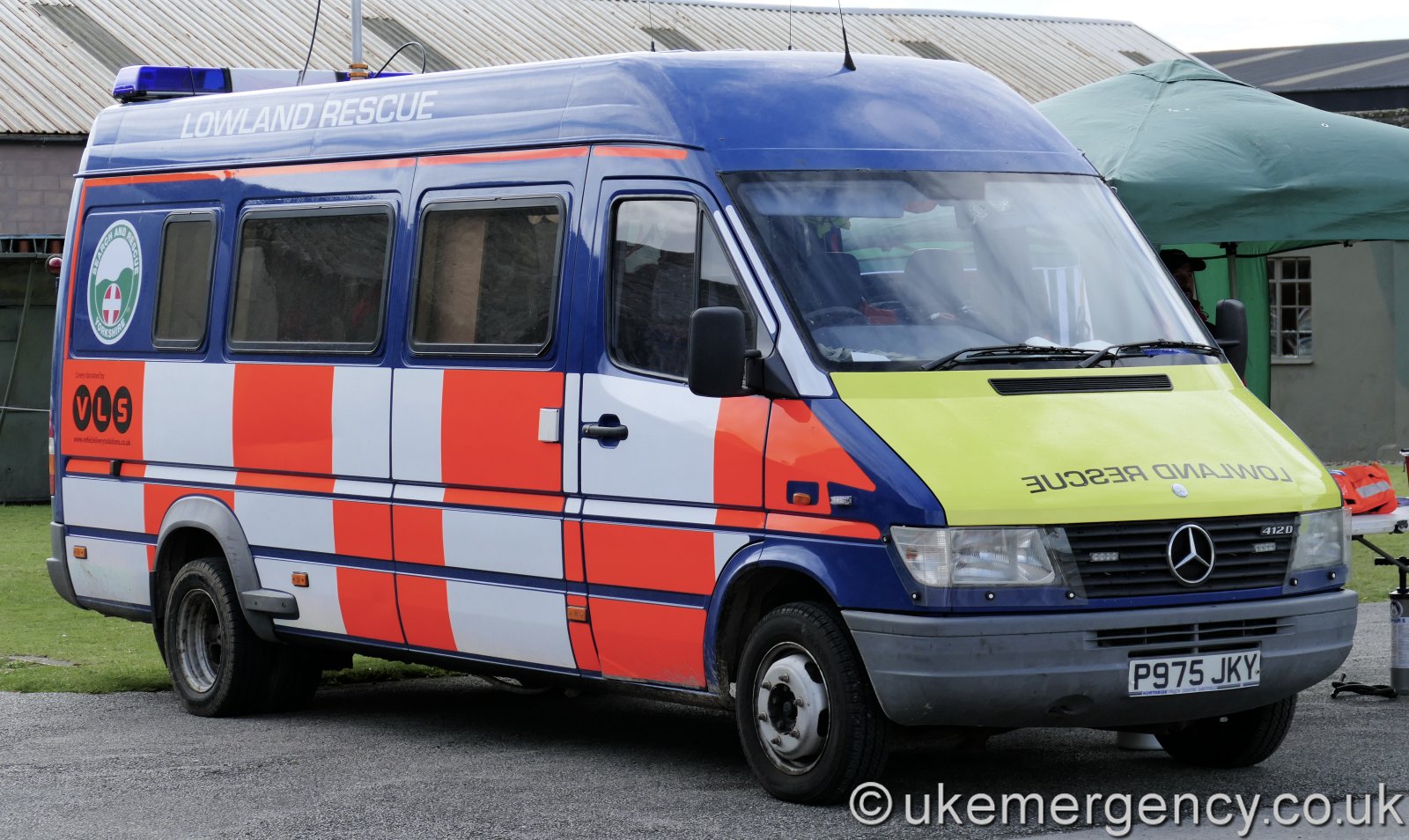
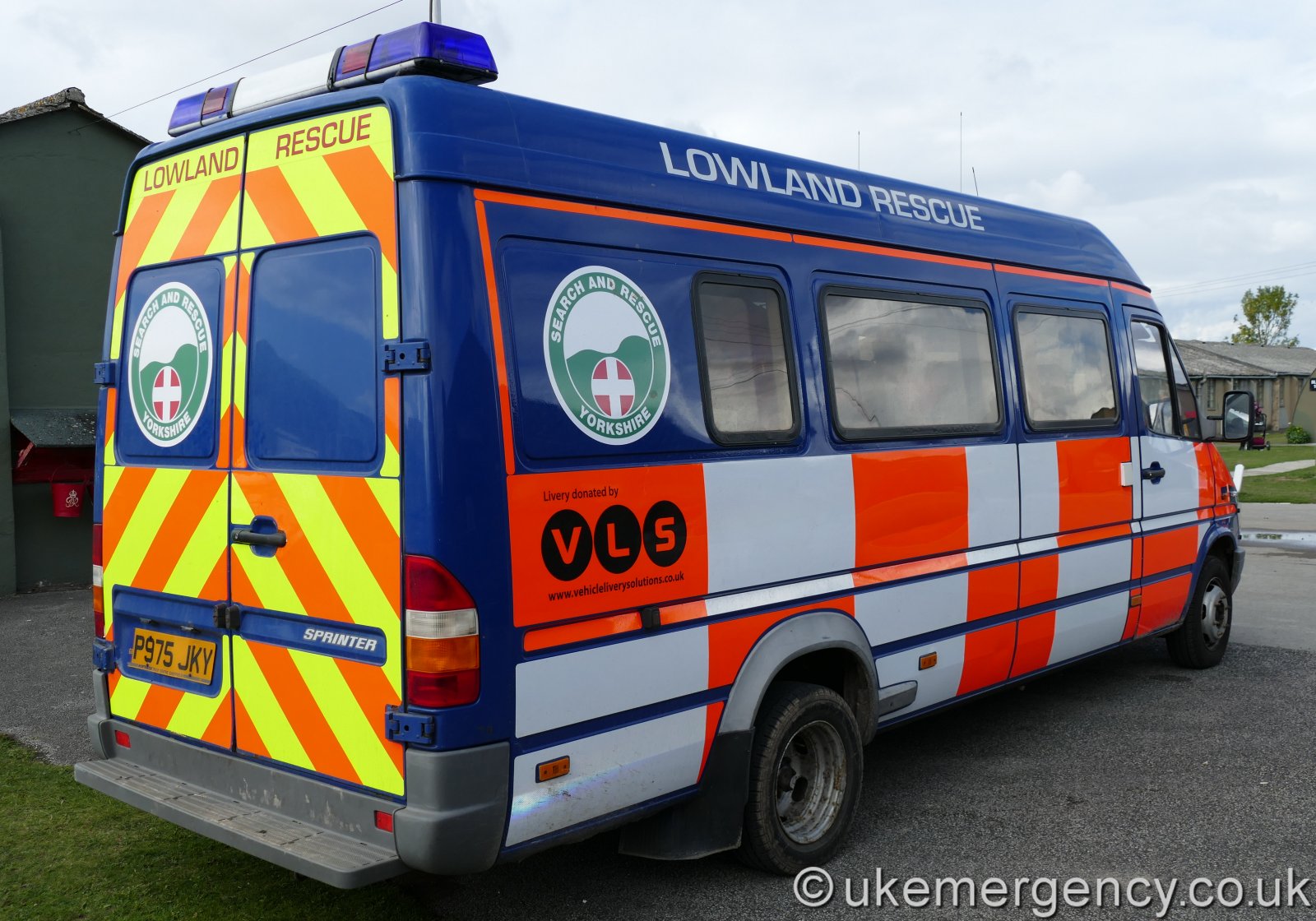
P975 JKY
Yorkshire Lowland Search and Rescue
Mercedes Sprinter
Previously used by Edale Mountain Rescue Team
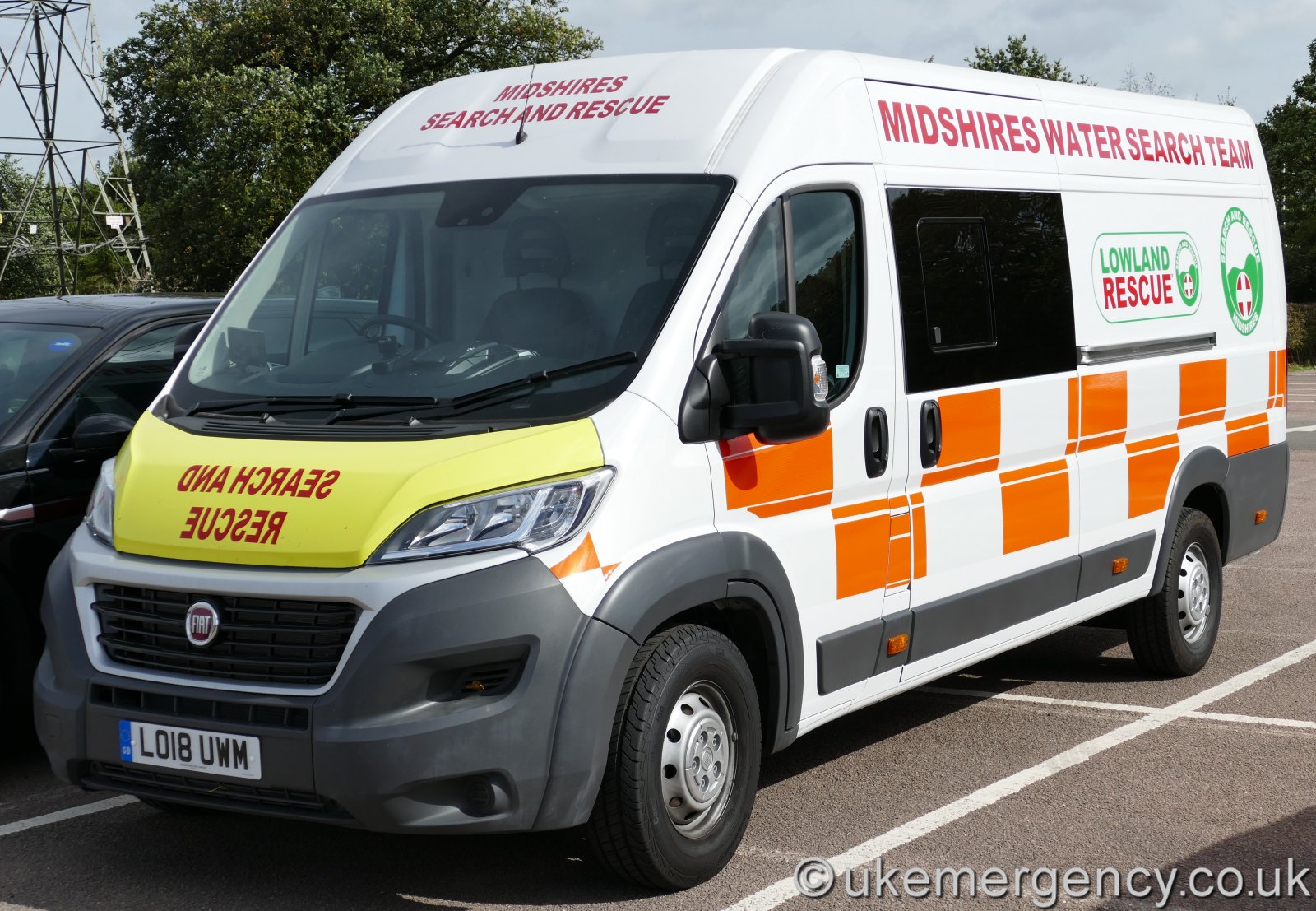
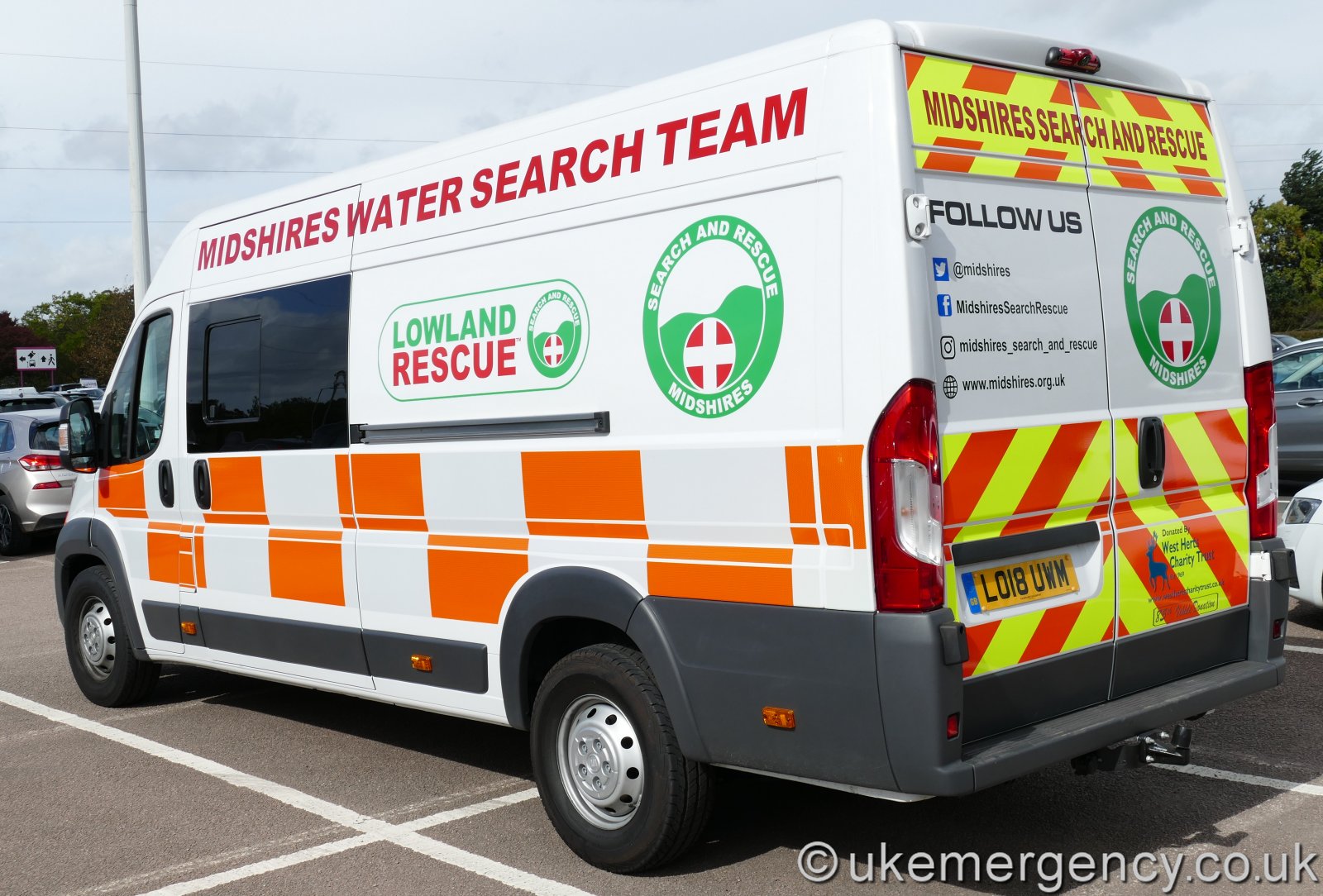
LO18 UWM
Midshires Search and Rescue
Fiat Ducato
Used by the water search team of the lowlands rescue organisation
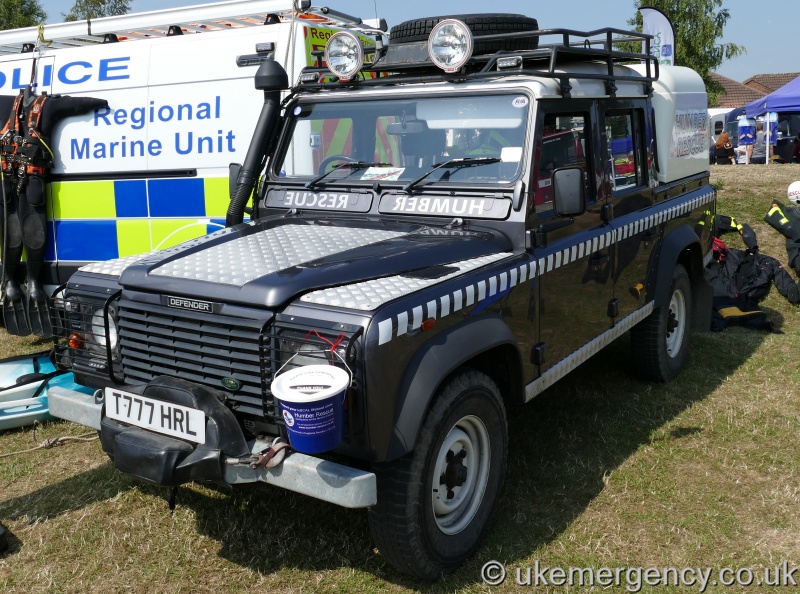
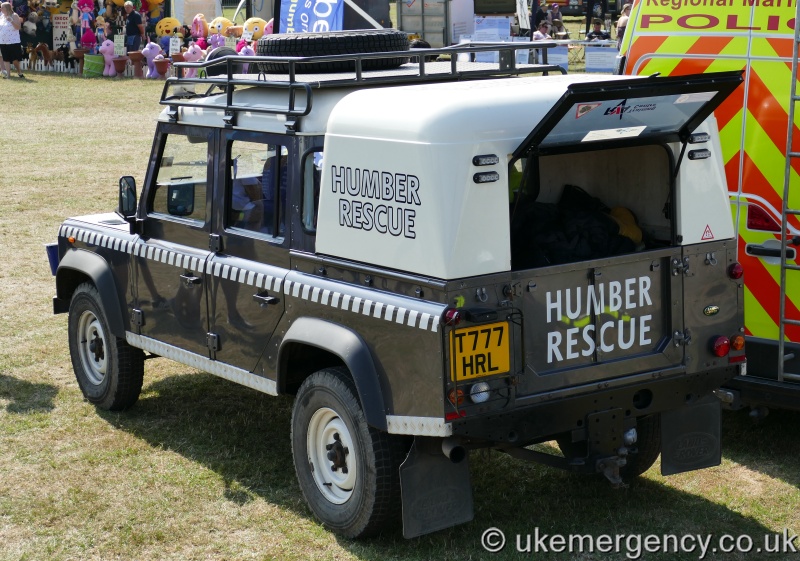
T777 HRL
Humber Rescue
Land Rover Defender
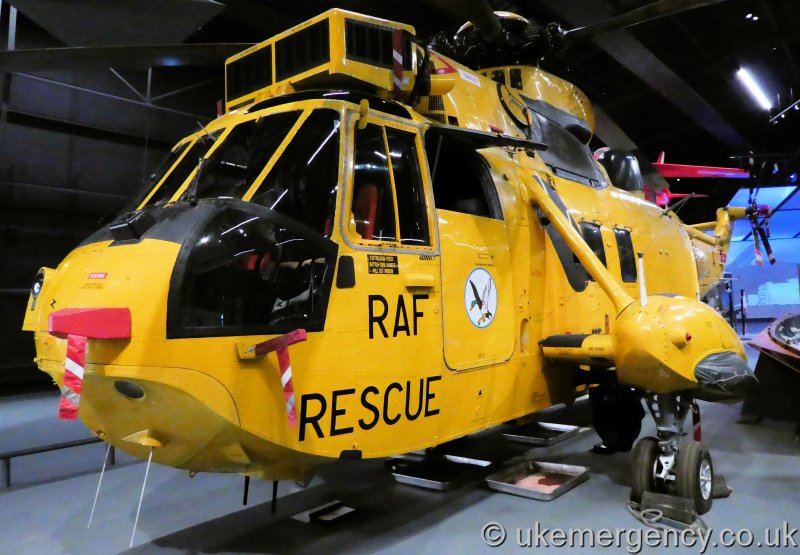
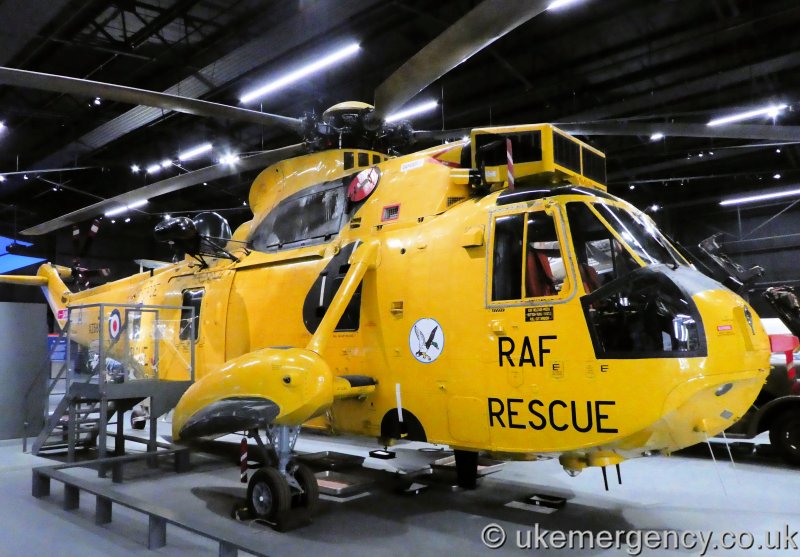
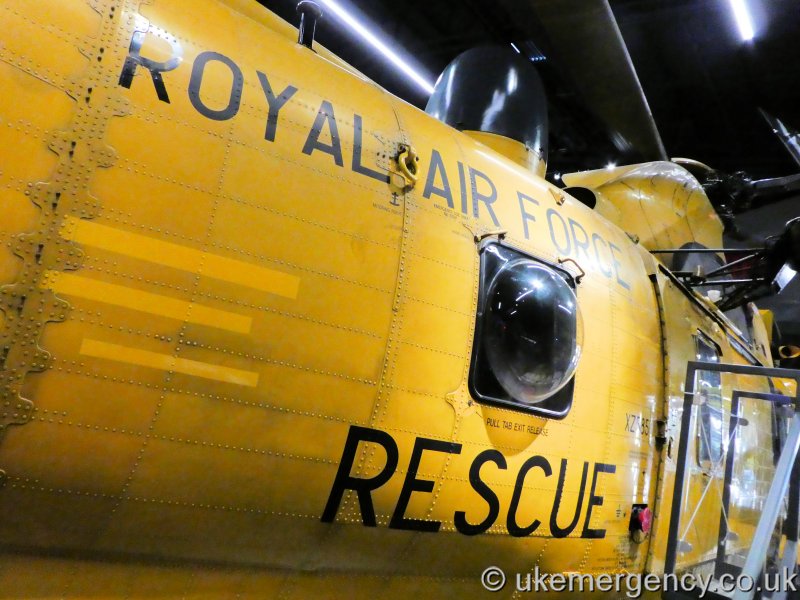
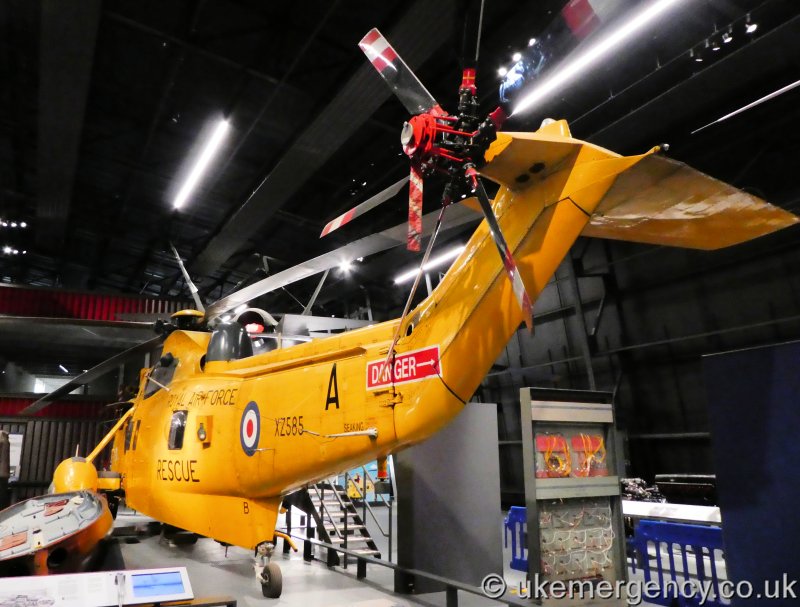
RAF
Westland Sea King
Now in preservation at the RAF Museum
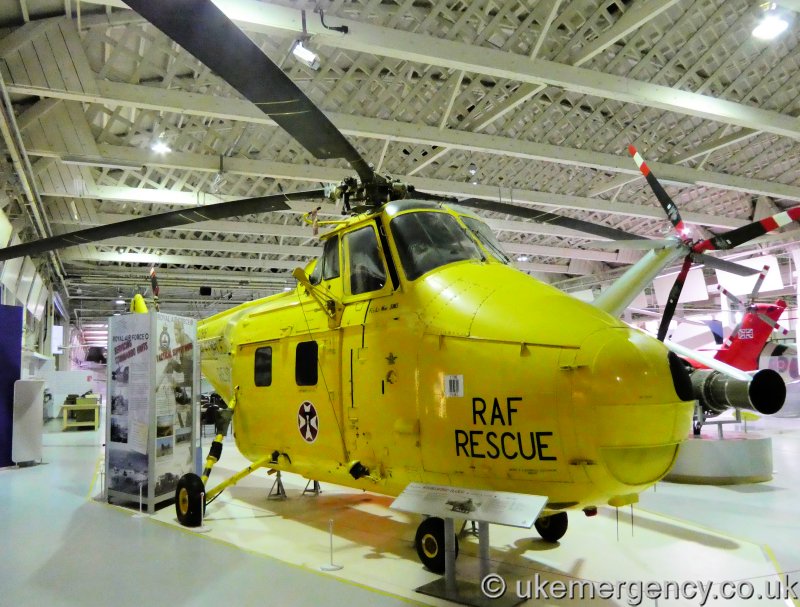
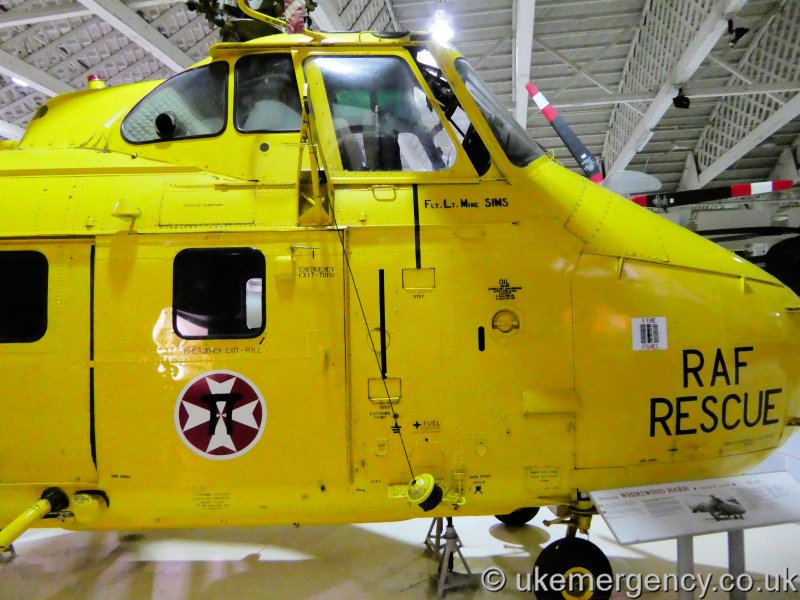
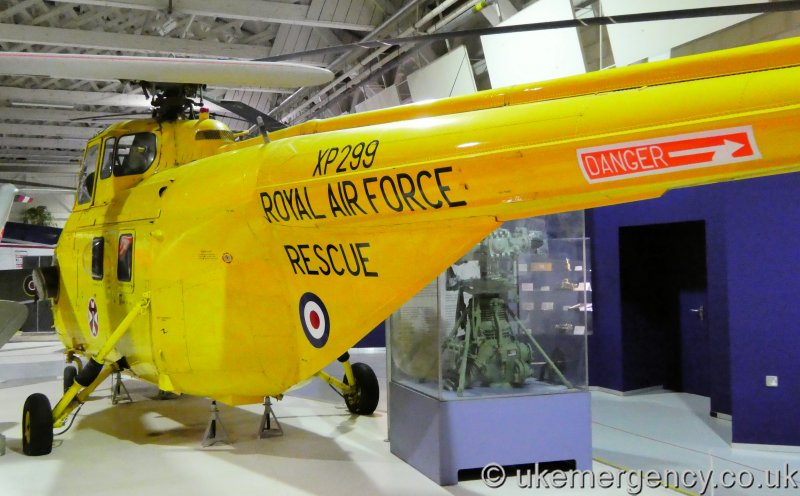
RAF
Westland Whirlwind HAR10
Now in preservation at the RAF Museum. Previously saw service between 1961 and 1982.
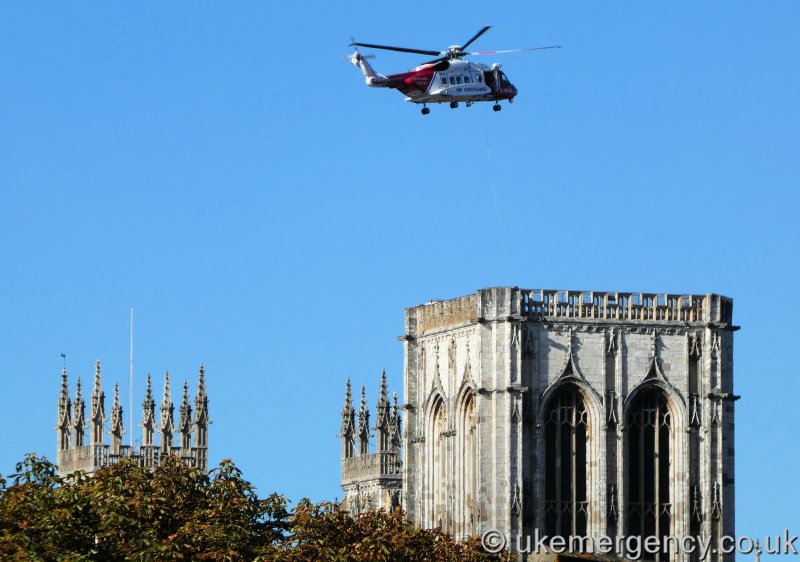
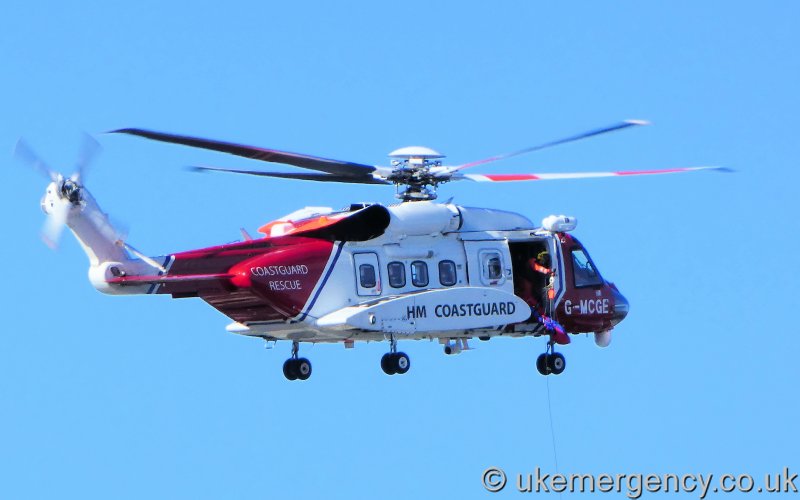
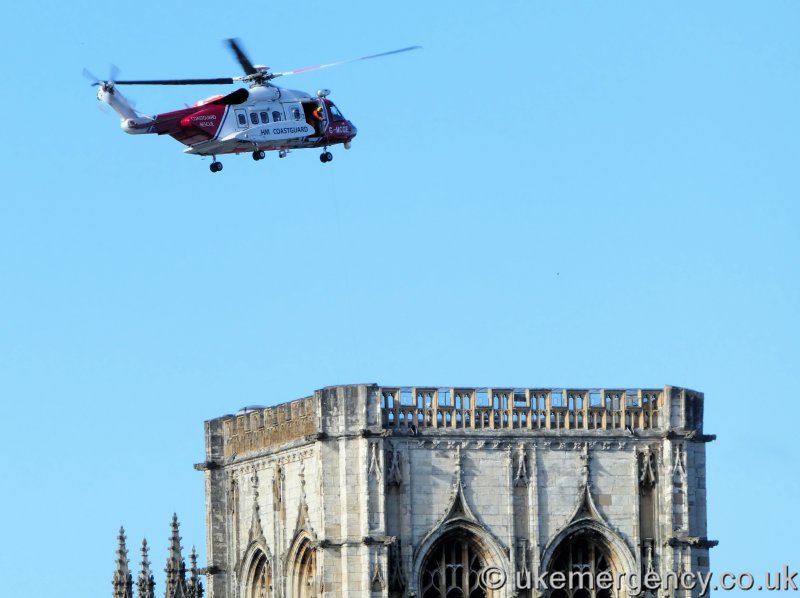
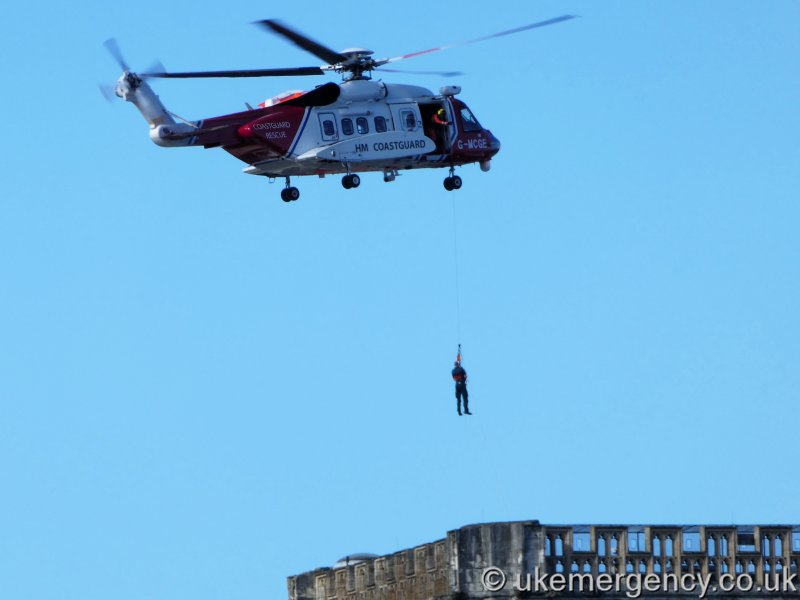
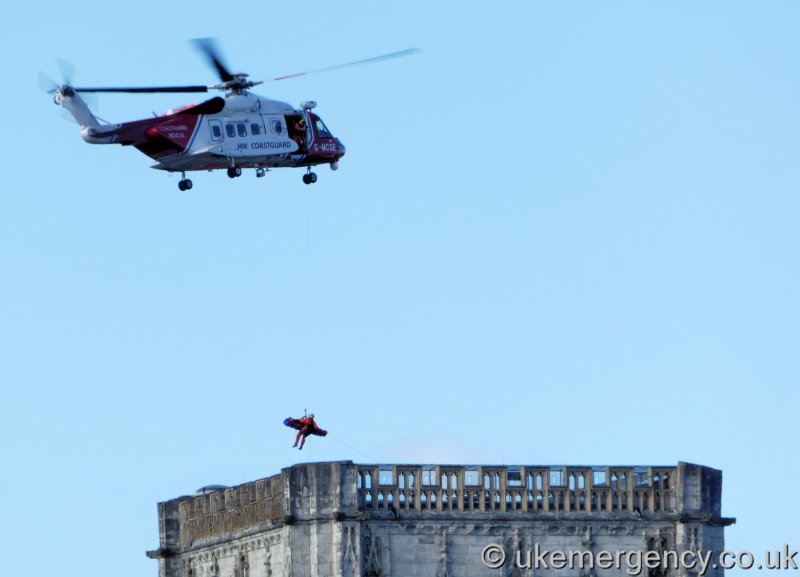
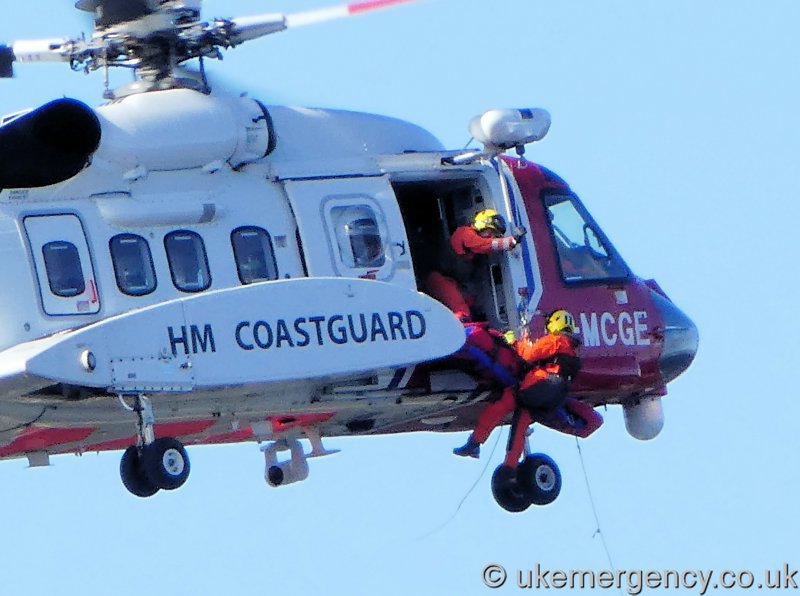
G-MCGE
HM Coastguard
Sikorsky S-92A
The Bristow-operated Coastguard helicopter is seen here rescuing a gentlemen from the roof of a cathedral. After lowering a medic and a stretcher the man in winched up into the helicopter that is hovering over the Minster in York, drawing large crowds. The narrow spiral staircases taking visitors to the roof of the buidling are not suitable for stretchering someone down. The Coastguard provide search and rescue helicopters for the whole country and practice every few years winching someone off the roof of York Minster.
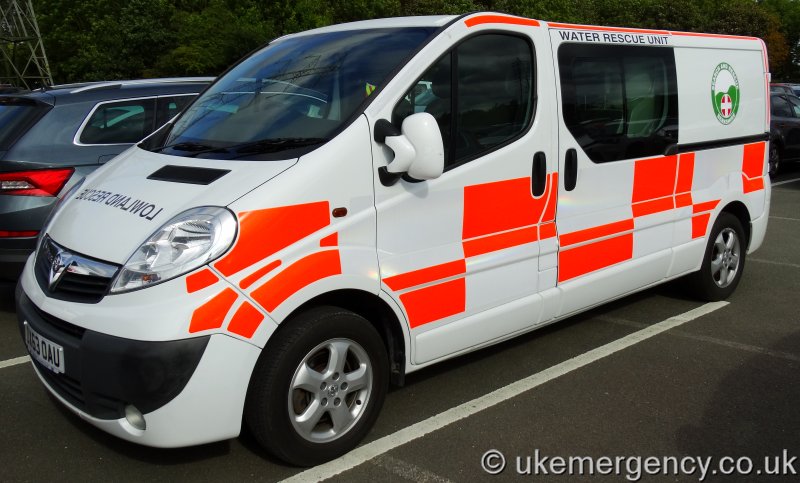
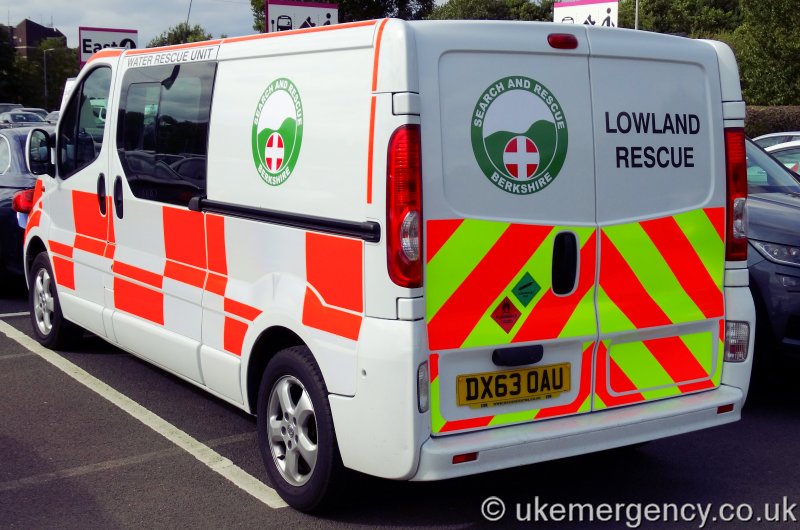
DX63 OAU
Berkshire Search and Rescue
Vauxhall Vivaro
Lowland Rescue / Water Rescue unit
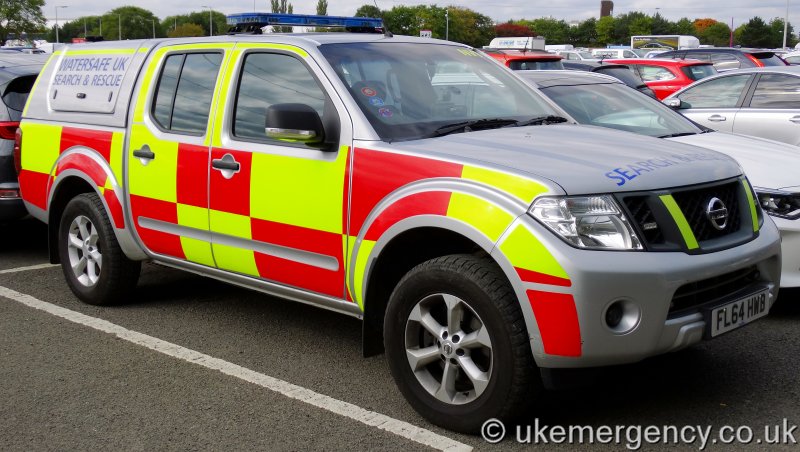
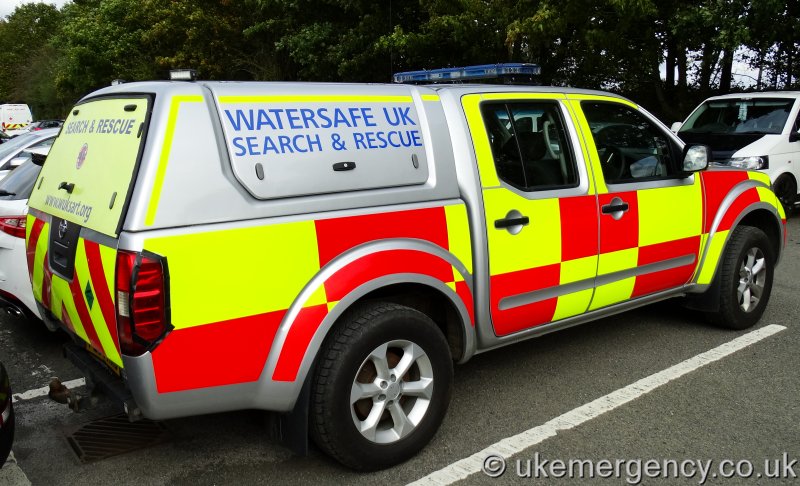
FL64 HWB
Watersafe UK
Nissan Navara
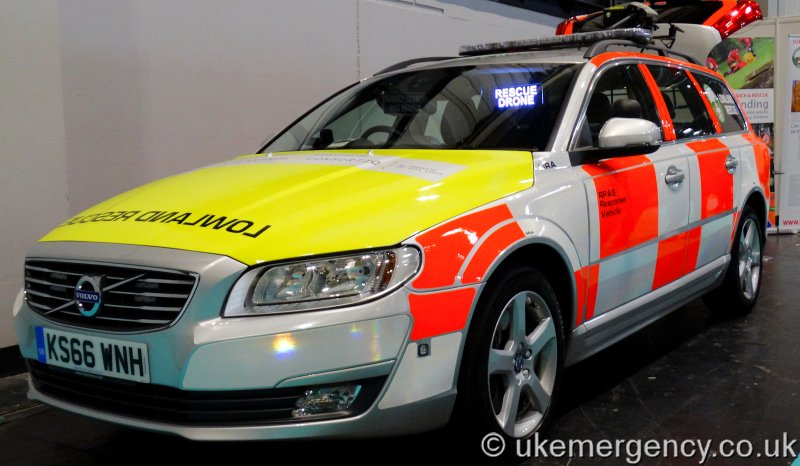
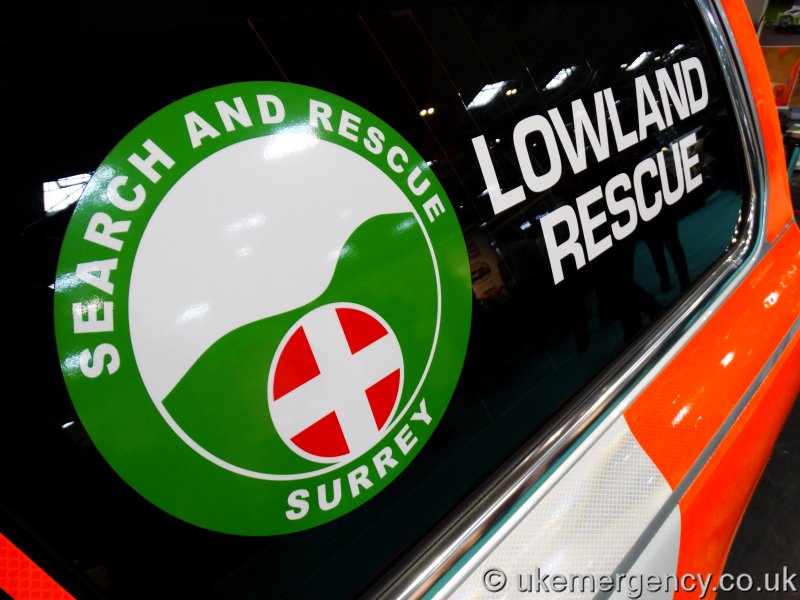
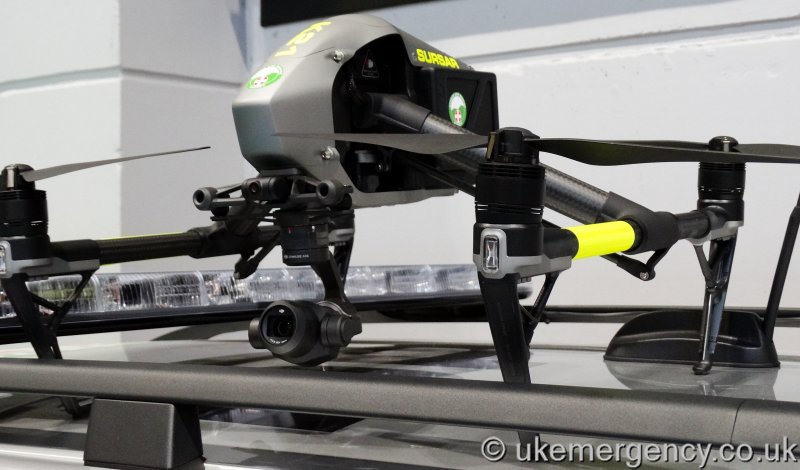
KS66 WNH
Surrey Search and Rescue
Volvo V70
The Authorities edition of the vehicle with rescue drone signs and the drone
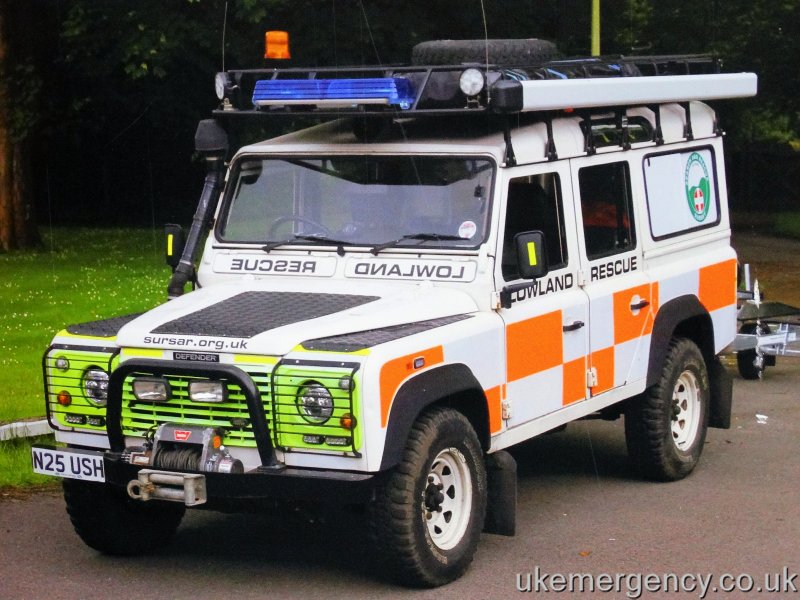
N25 USH
Surrey Search and Rescue
Land Rover Defender 110
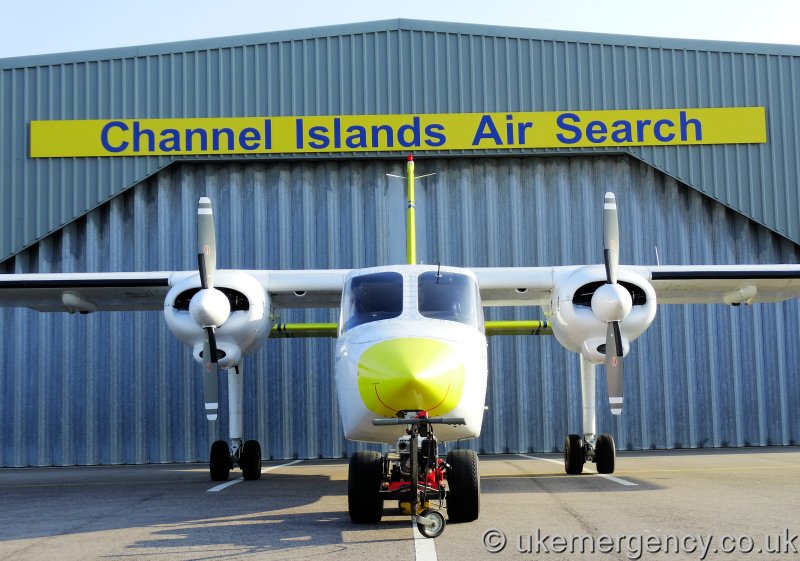
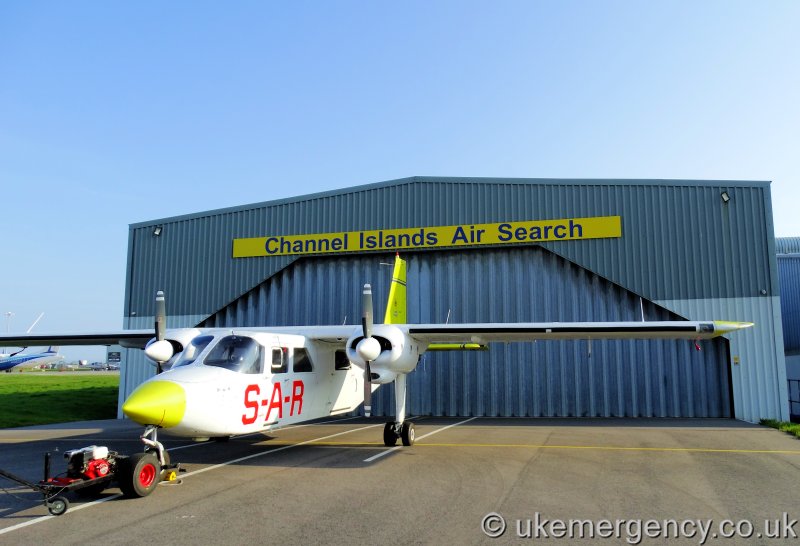
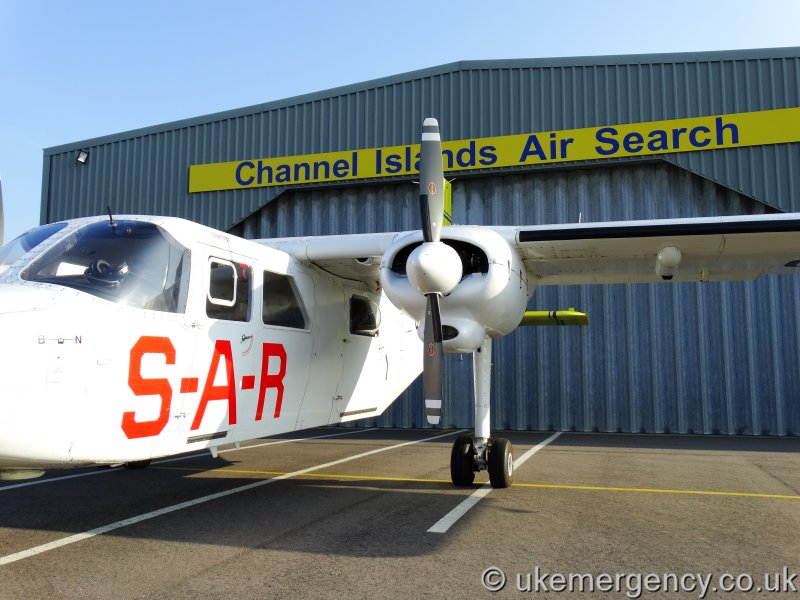
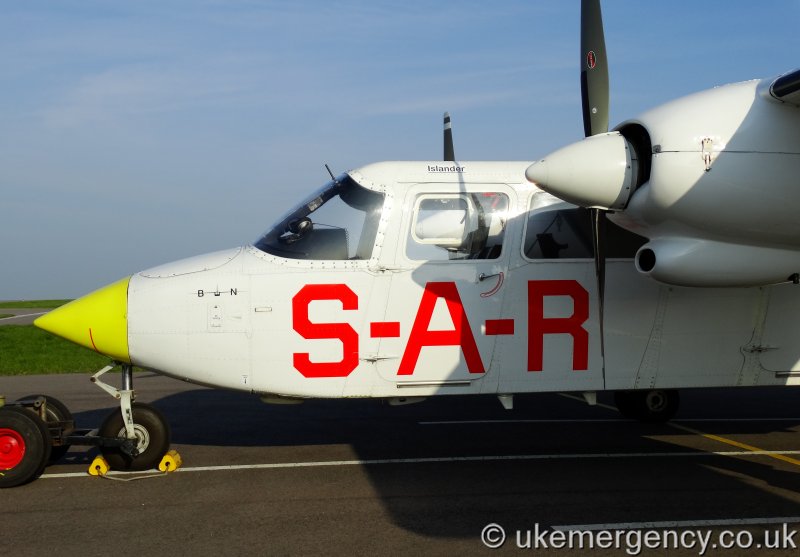
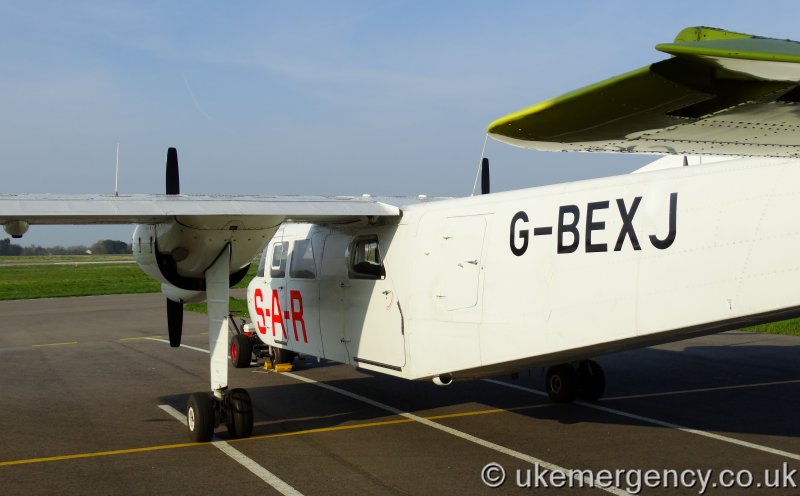
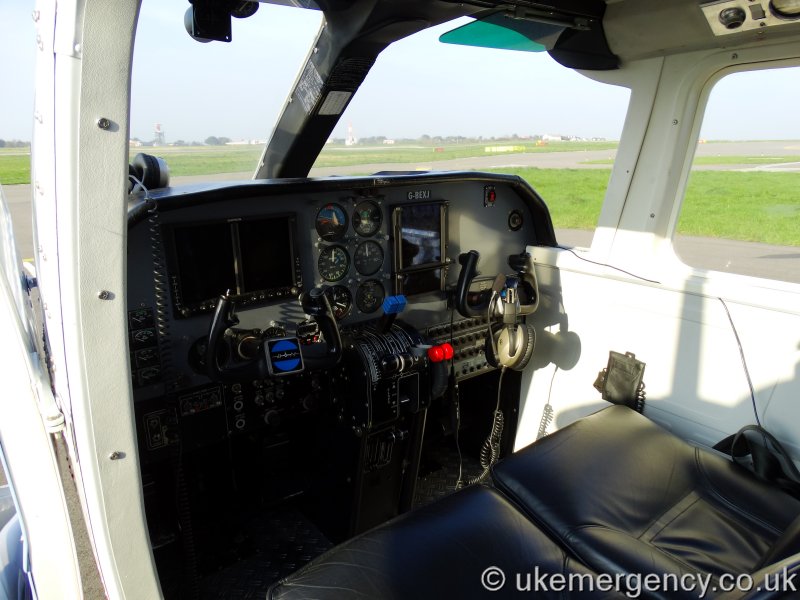
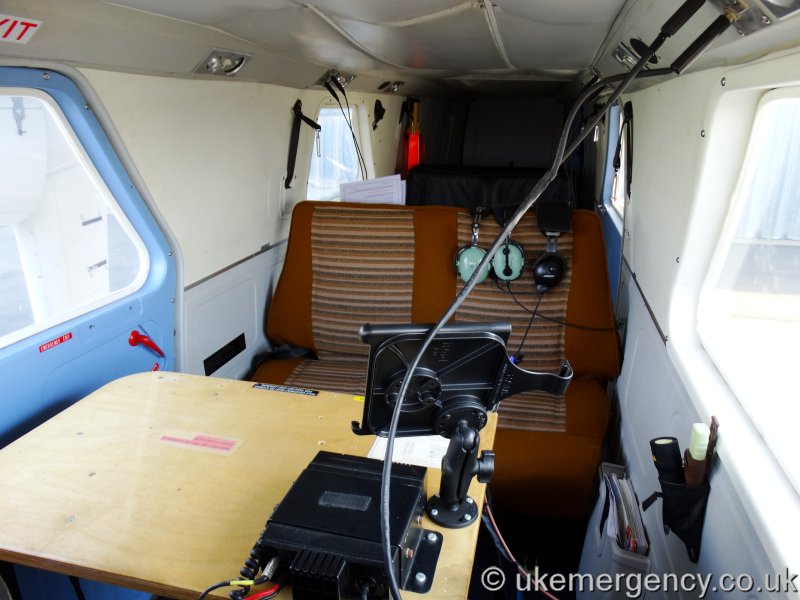
G-BEXJ
Channel Islands Air Search
Britten-Norman BN-2A-26 Islander
This aircraft is a temporary replacement for the damaged Islander G-CIAS. A permanent replacement is due in Summer/Autumn 2017. The original aircraft was damaged beyond repair in an emergency landing due to engine problems in November 2013. The yellow rear wing was salvaged and attached to this temporary replacement. Only basic SAR equipment is fitted to this Islander, with a lot more emphasis on looking out of the windows rather than at screens.
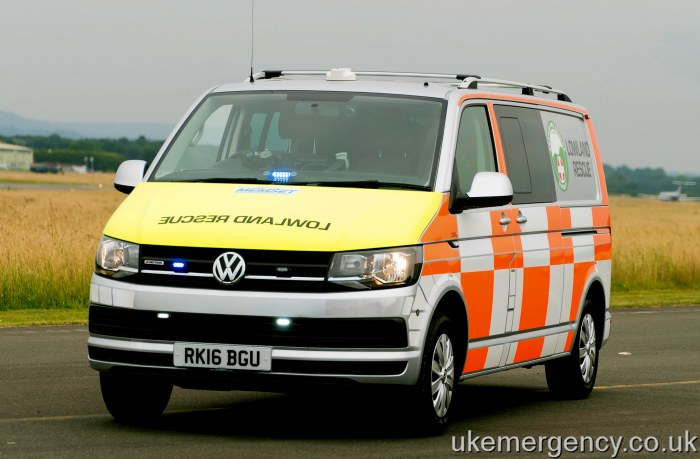
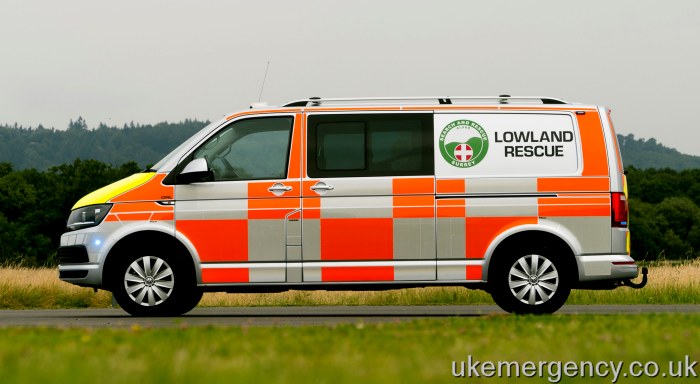
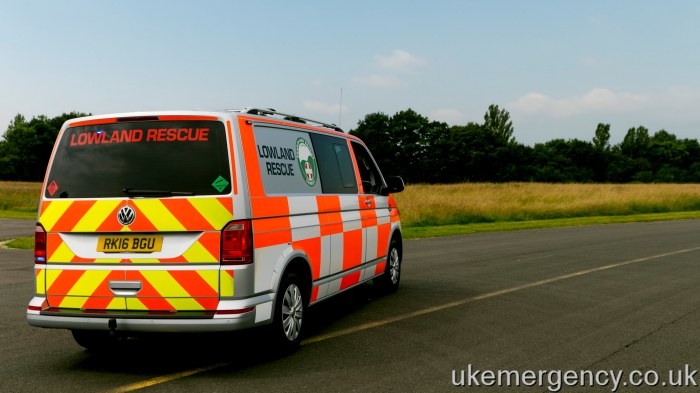
RK16 BGU
Surrey Search and Rescue
VW Transporter LWB
It carries a Zodiac MilPro inflatable boat in the back with a 40hp outboard motor. It was funded by the Department for Transport to Surrey Search & Rescue as part of the national flood rescue capability
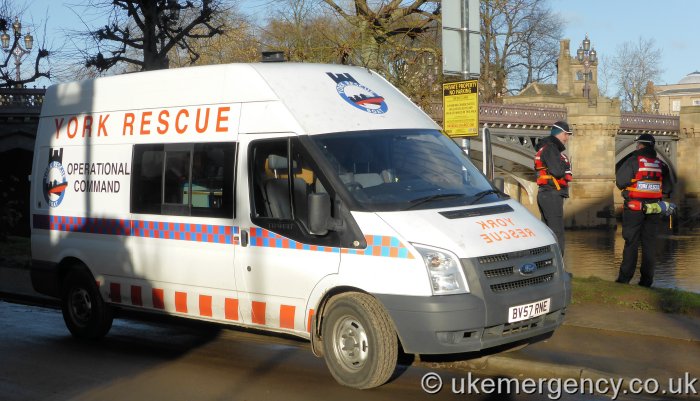
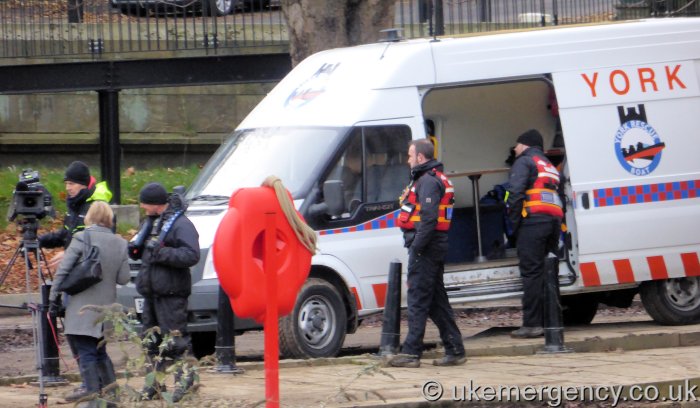
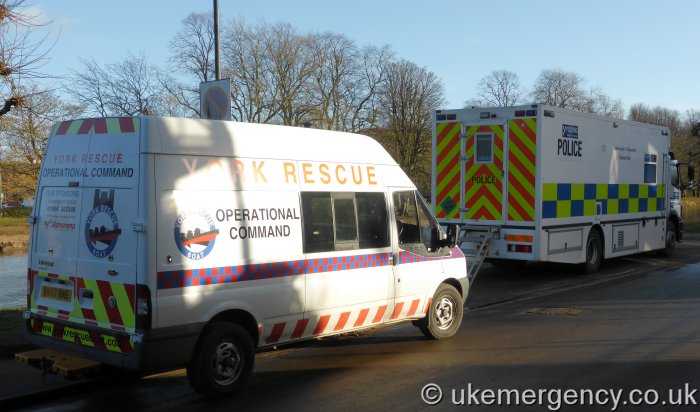
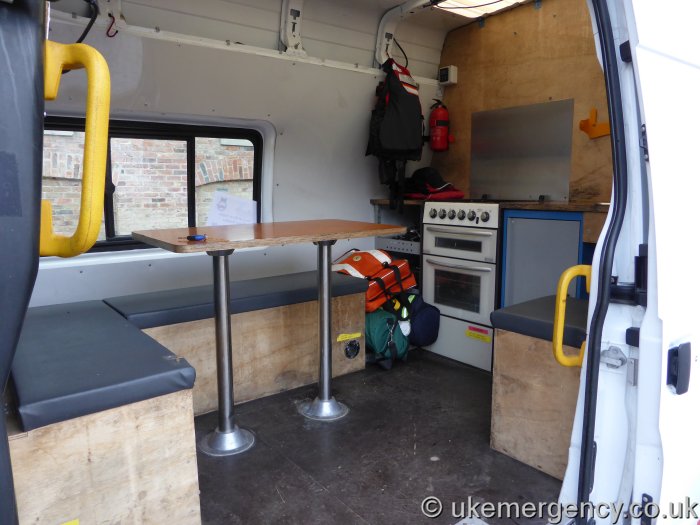
BV57 RNE
York Rescue Boat
Ford Transit
Operational Command Unit, providing a mobile base for the water rescue crew.
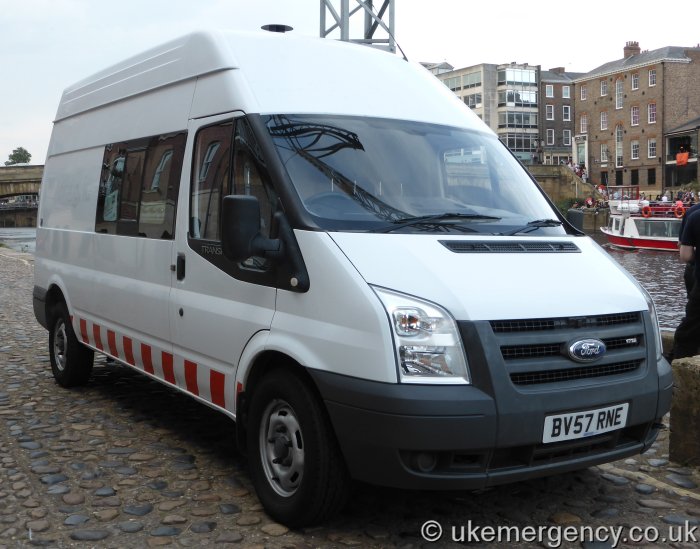
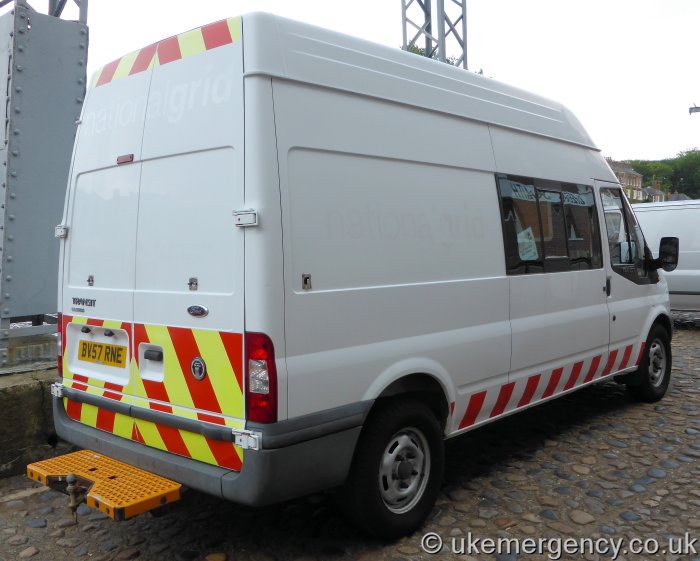
The vehicle seen before entering service, with the remains of its previous livery from National Grid
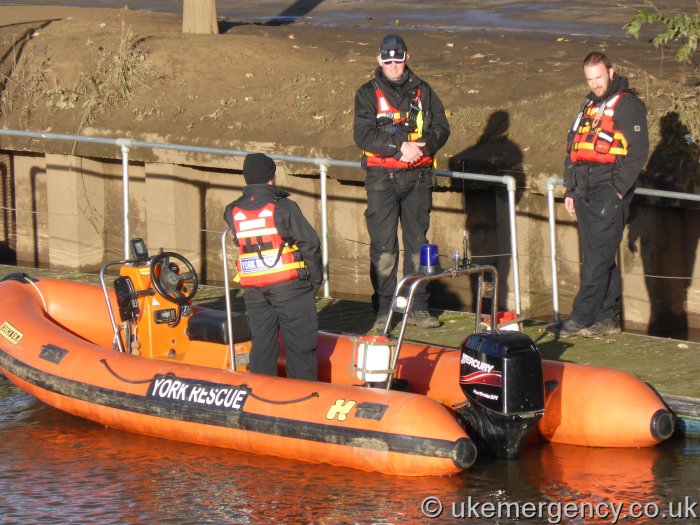
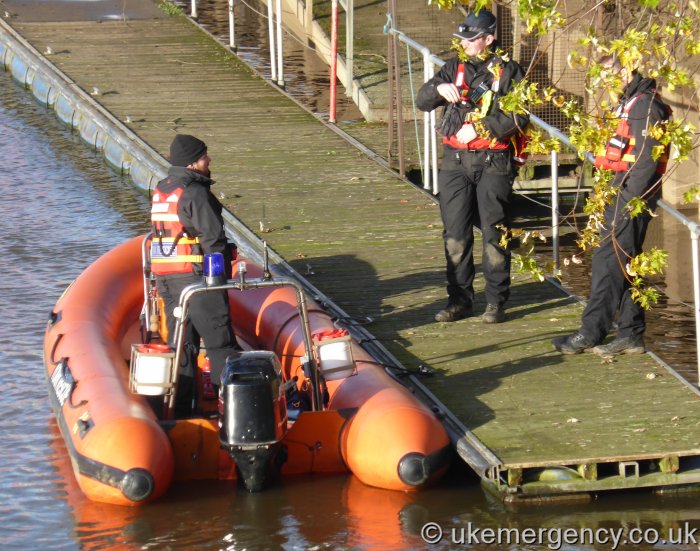
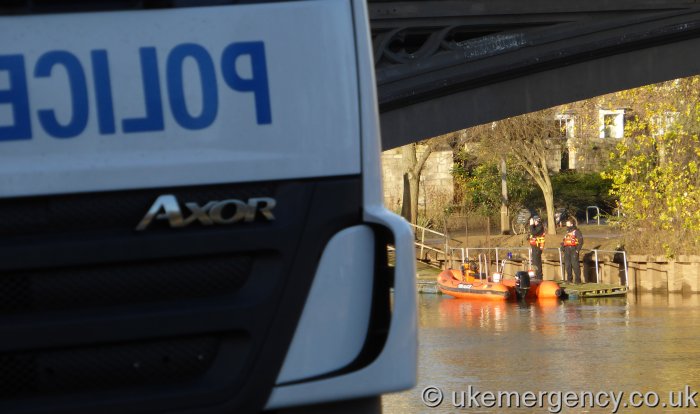
York Rescue Boat in action
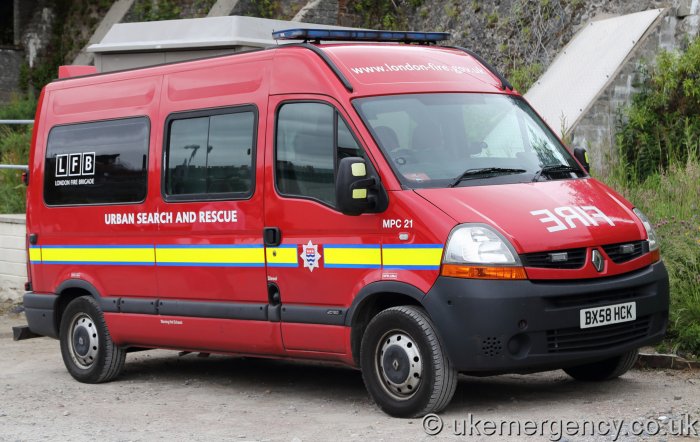
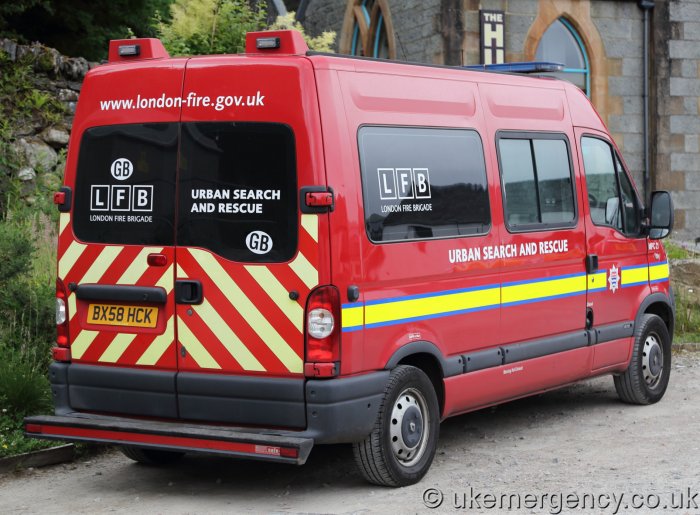
BX58 HCK
London Fire Brigade
Renault Master
Urban Search and Rescue (MPC 21)
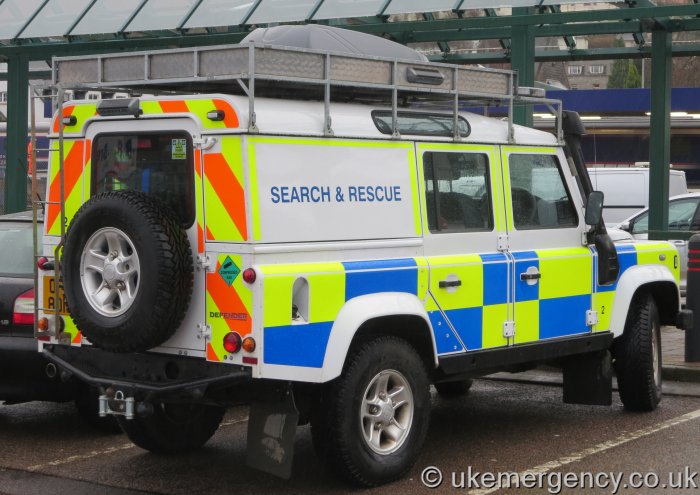
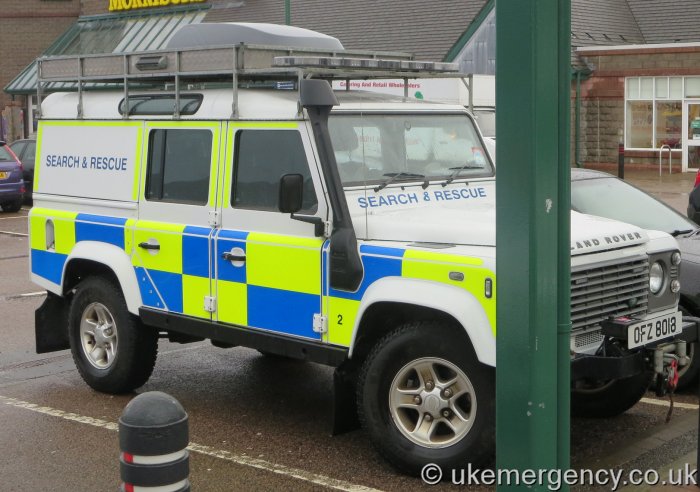
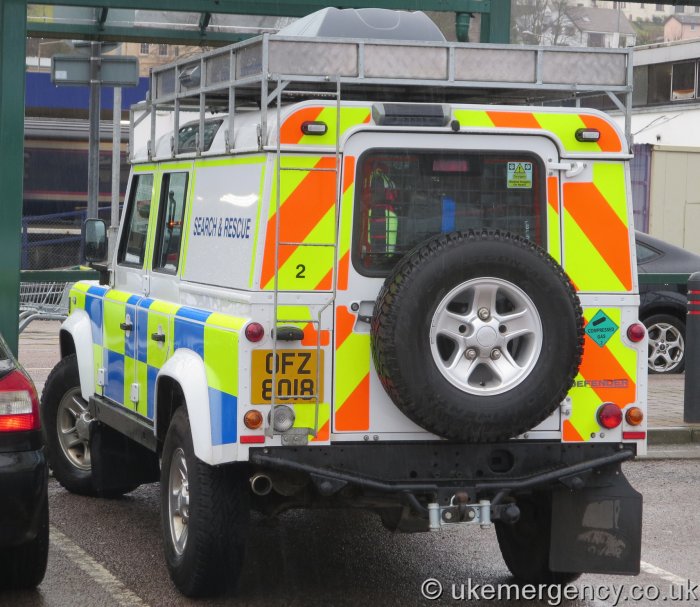
OFZ 8018
Police Service of Northern Ireland
Land Rover Defender
Used for Search and Rescue purposes
York Rescue Boat volunteers on a training exercise to rescue someone from the river and transport them to a reception team on the bank.
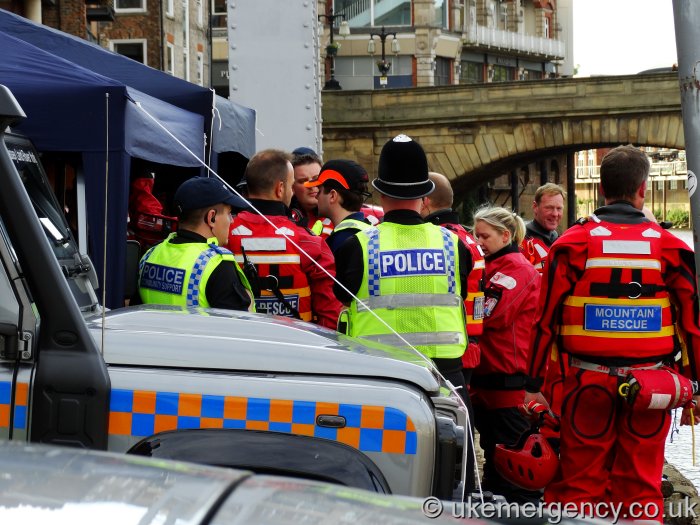
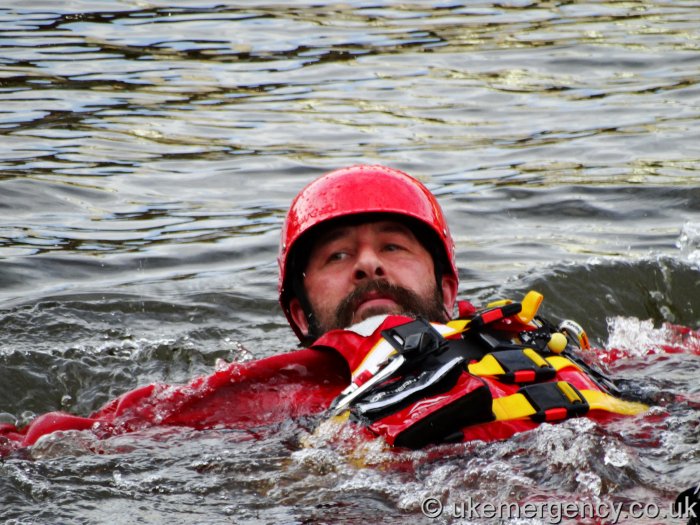
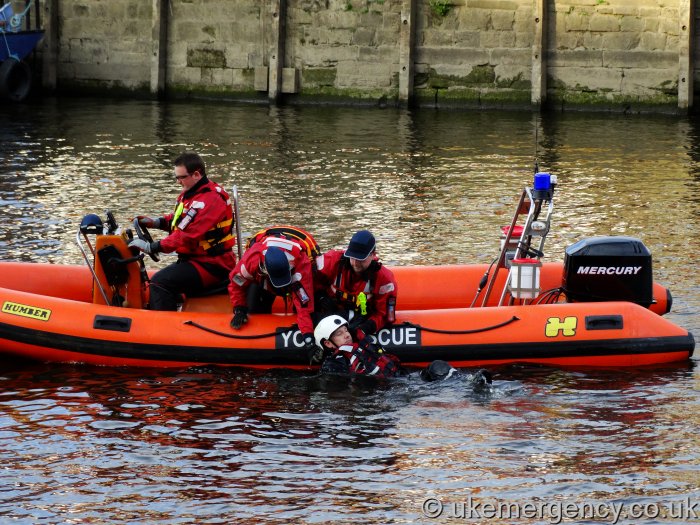
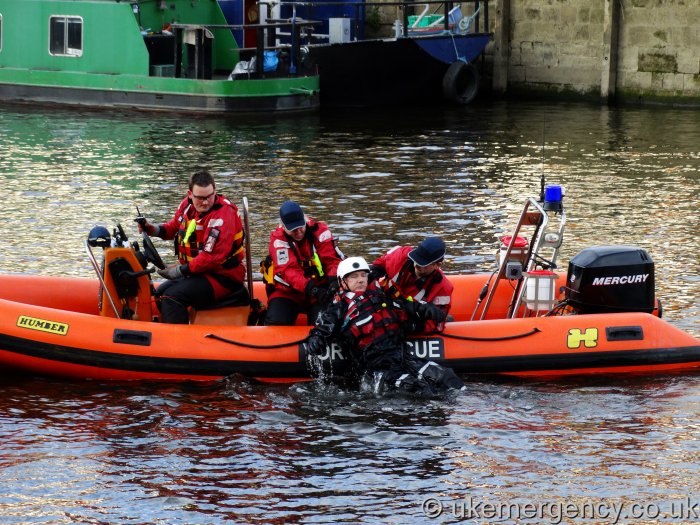
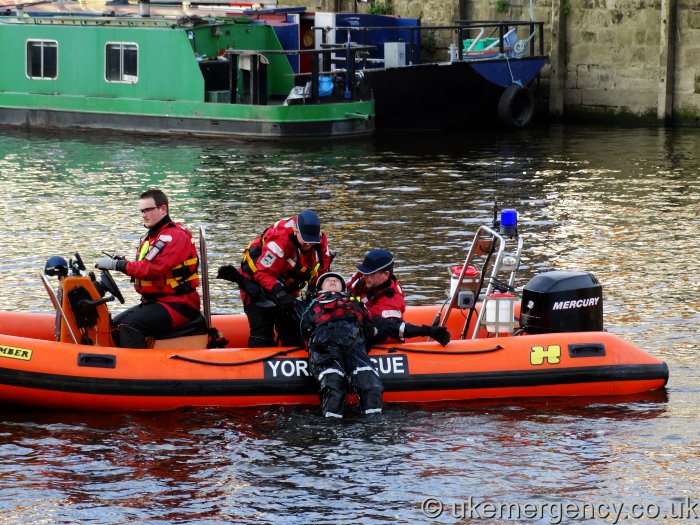
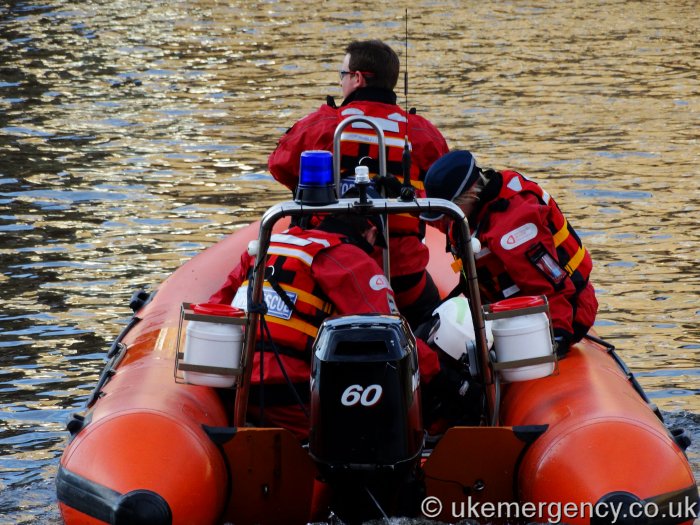
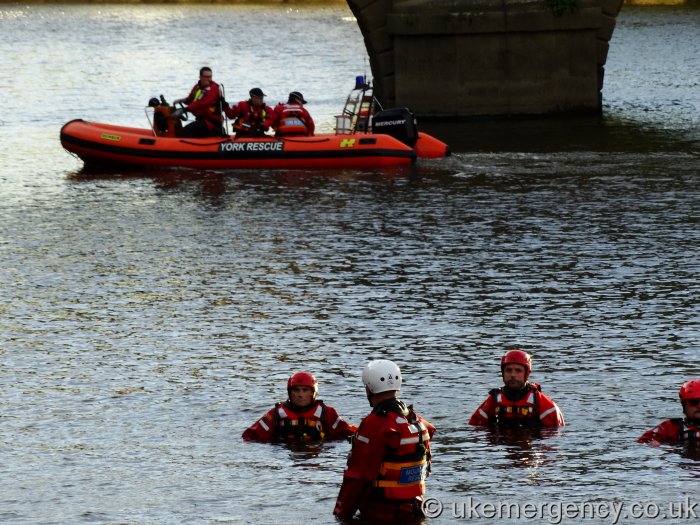
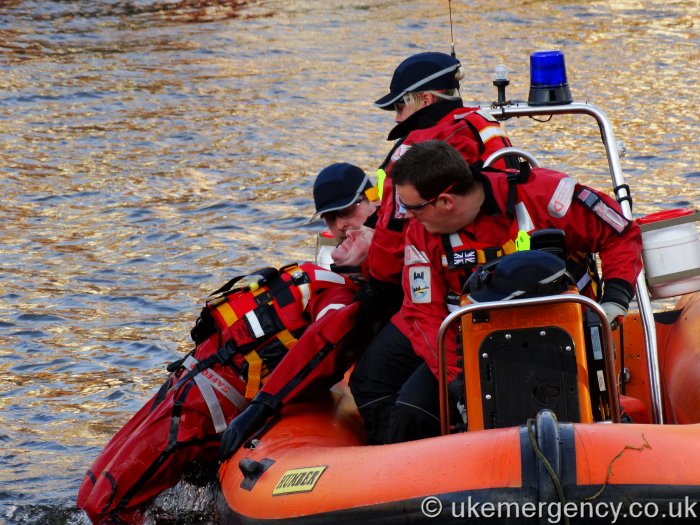
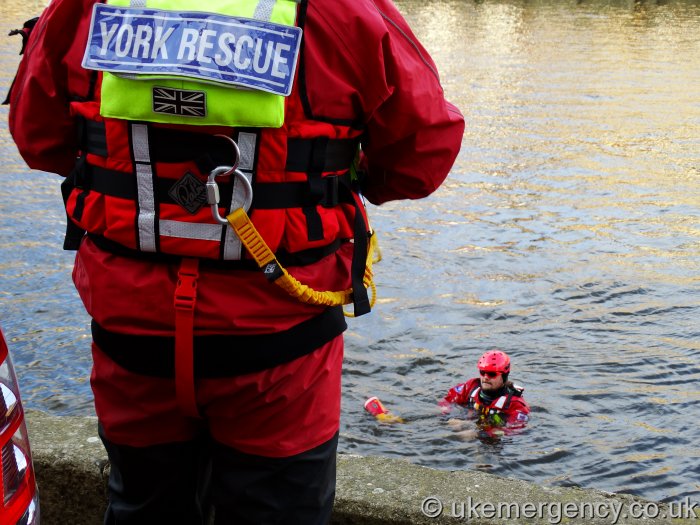
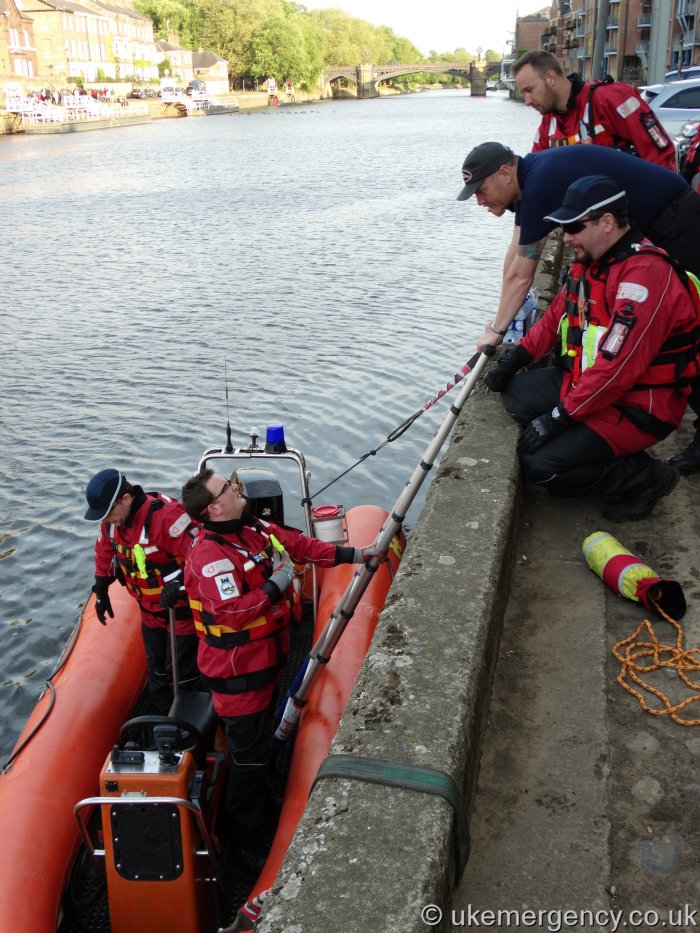
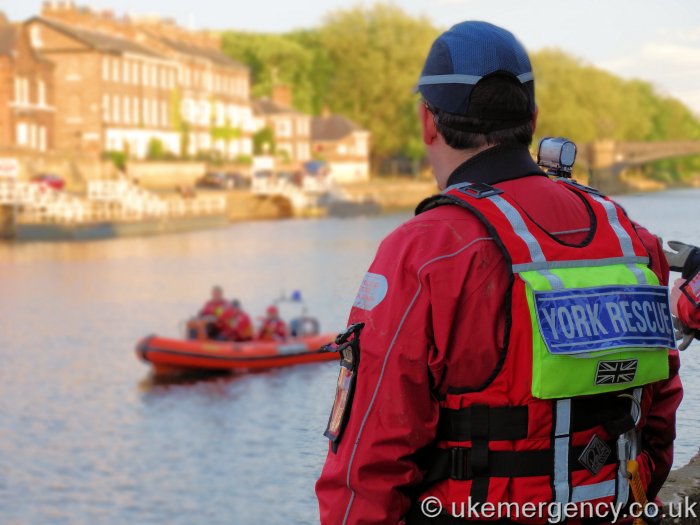
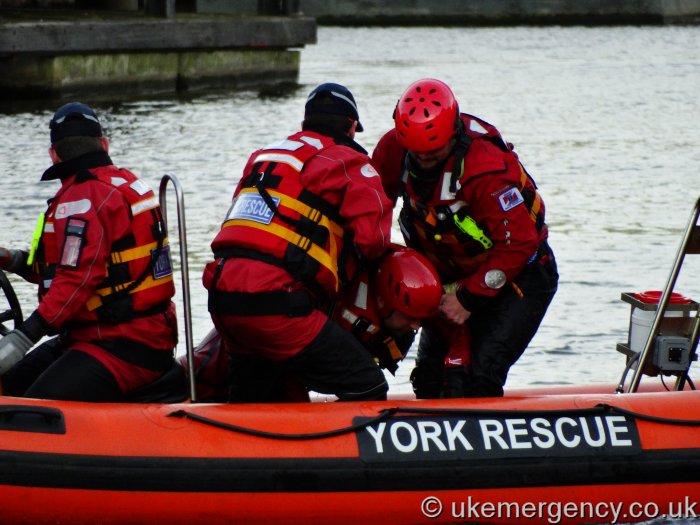
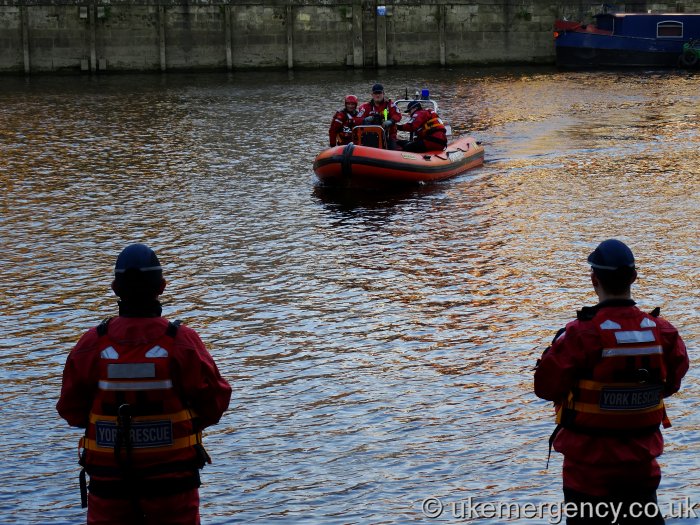
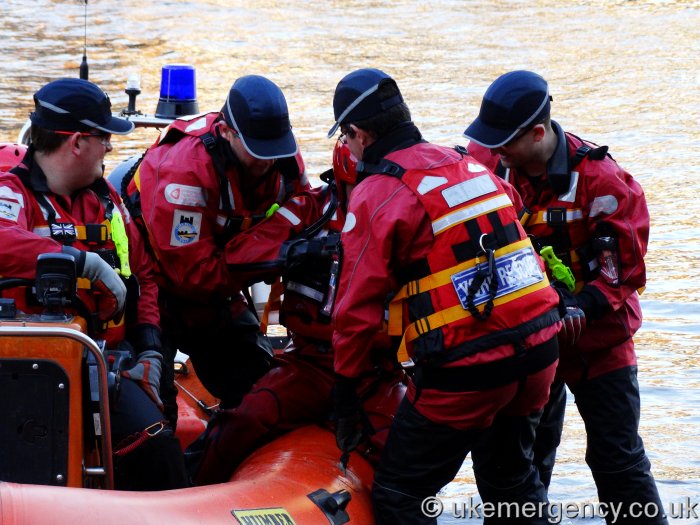
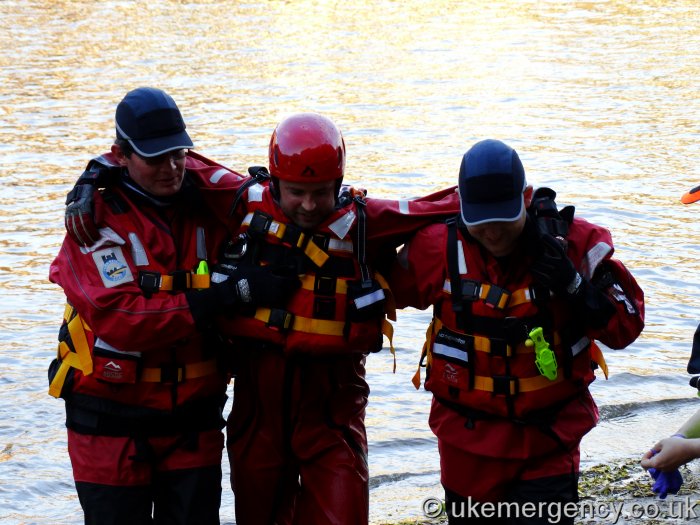
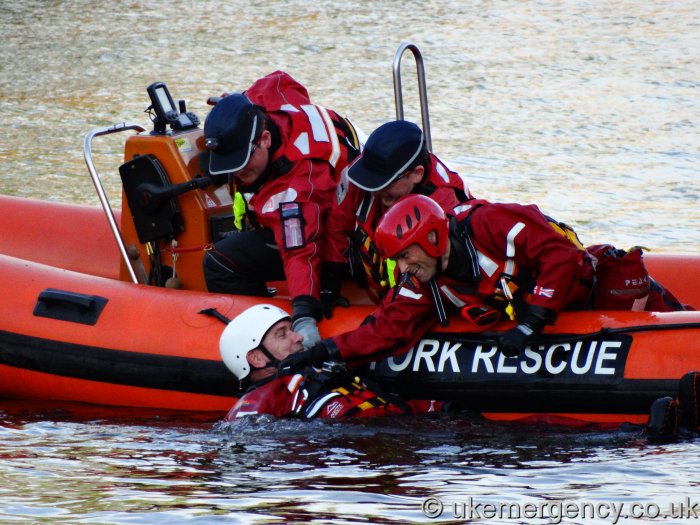
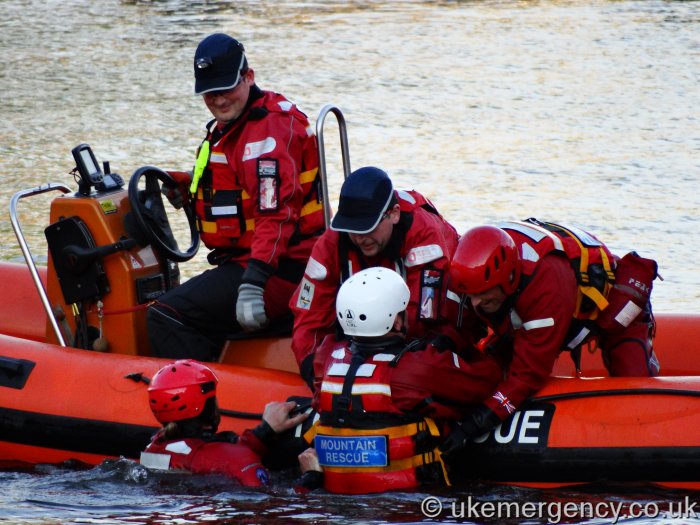
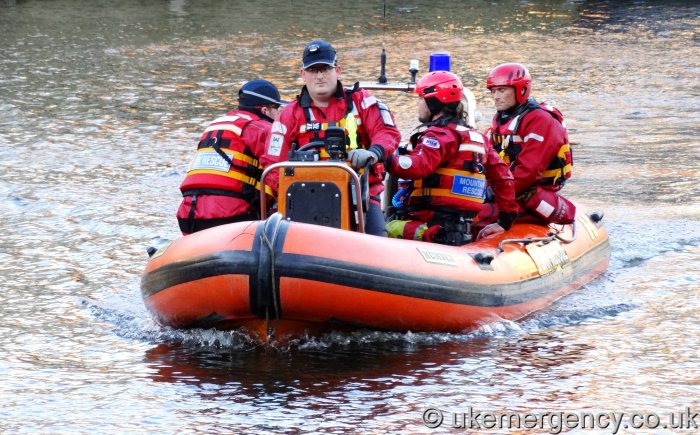
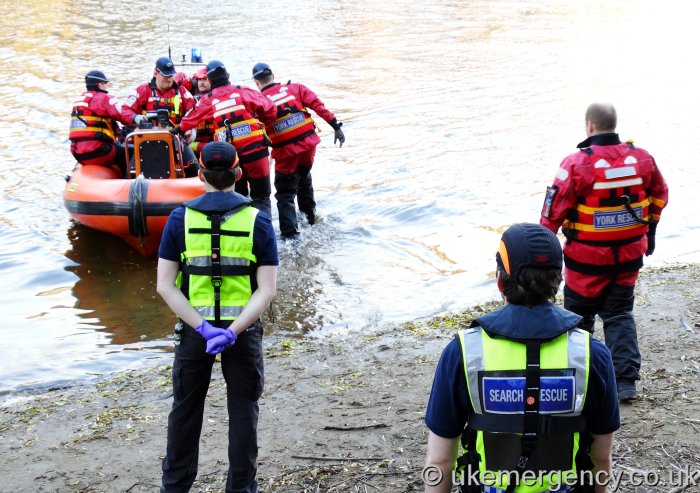
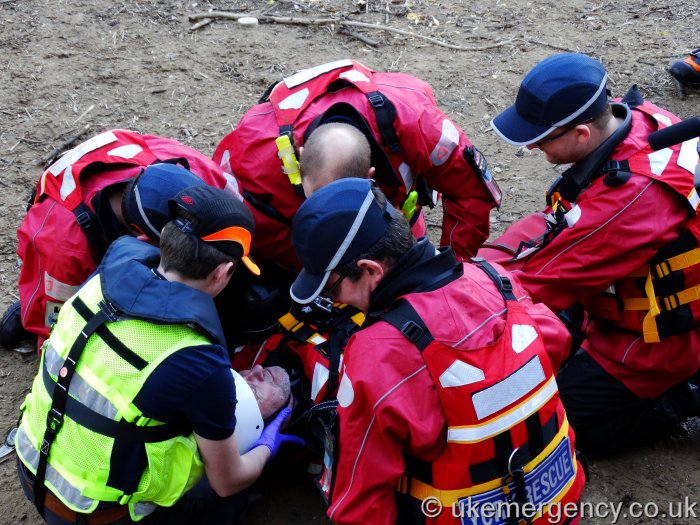
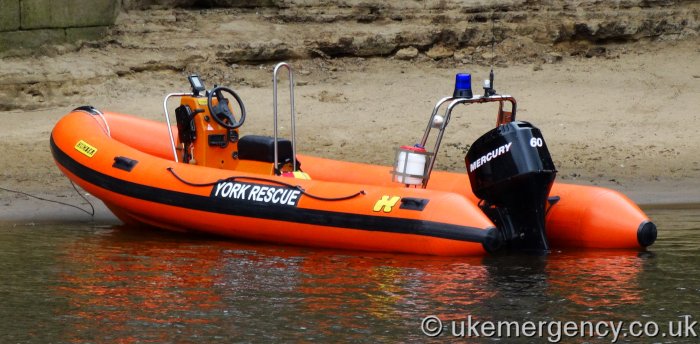
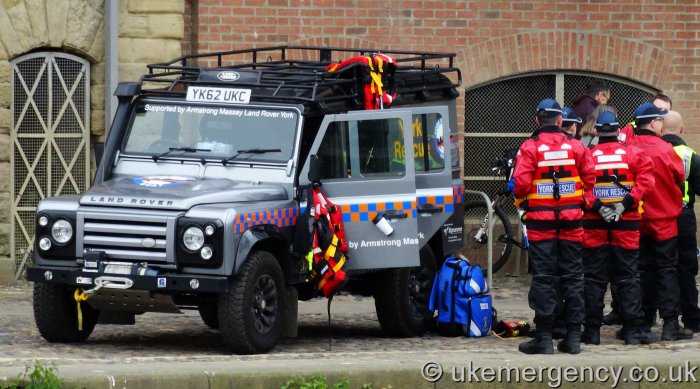
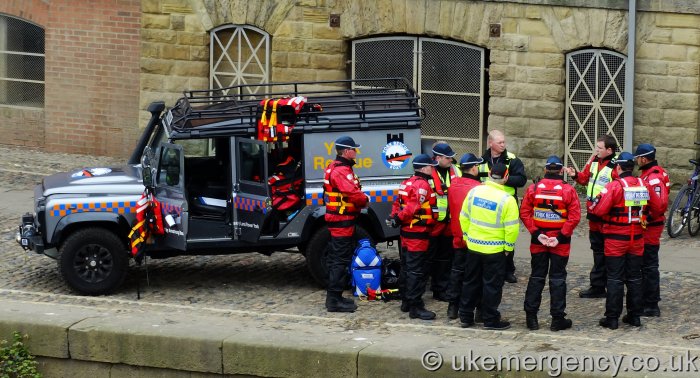
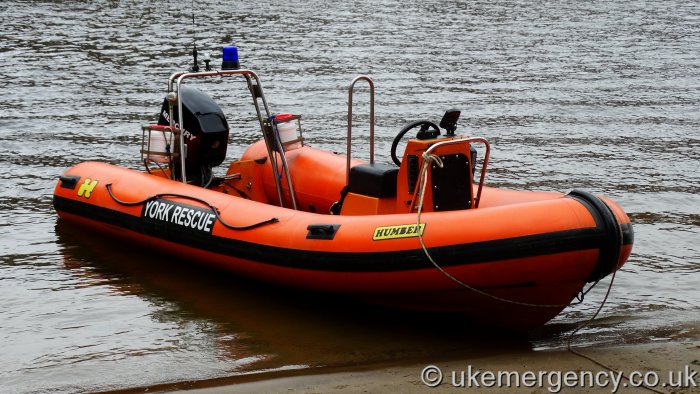
York Rescue Boat during one of its first operation shifts in Spring 2015. Also show are the team being briefed at the start of the shift.
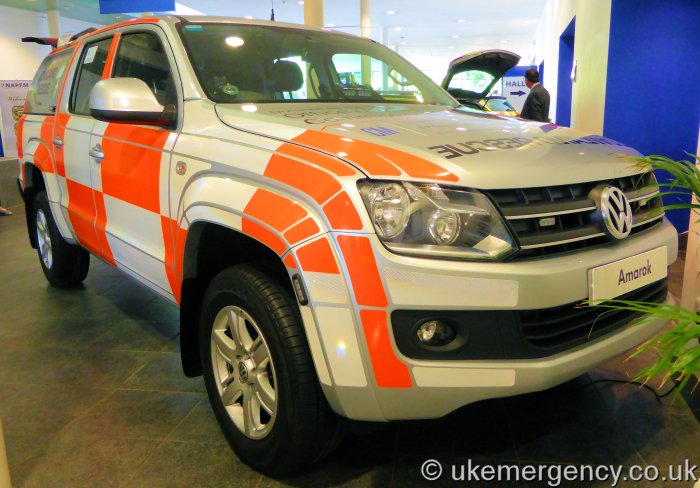
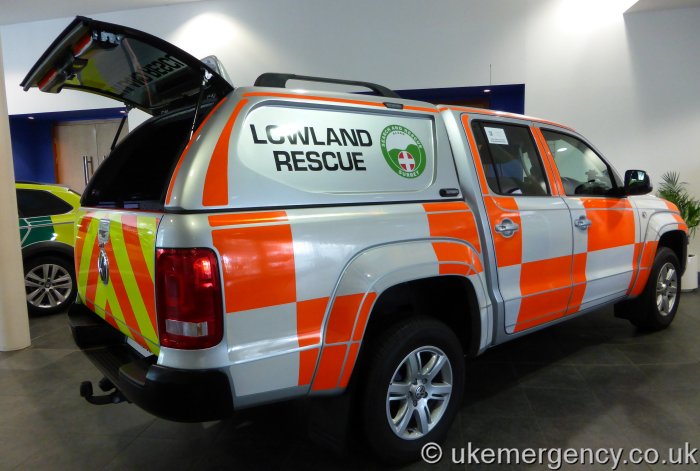
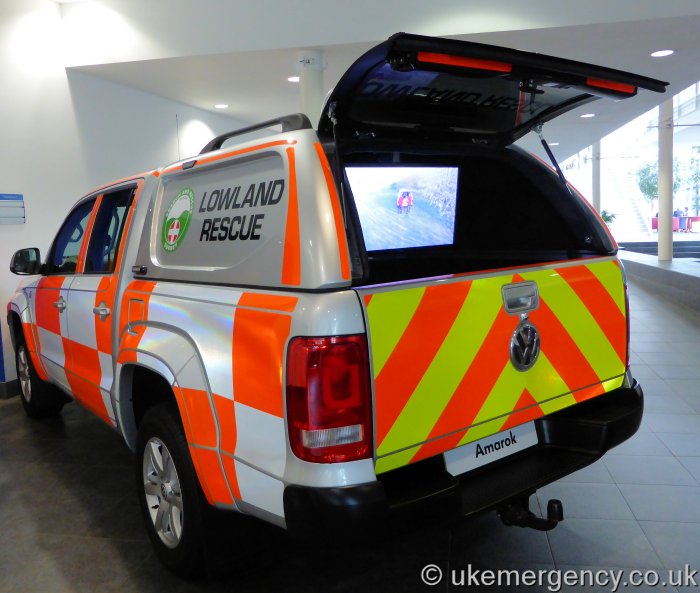
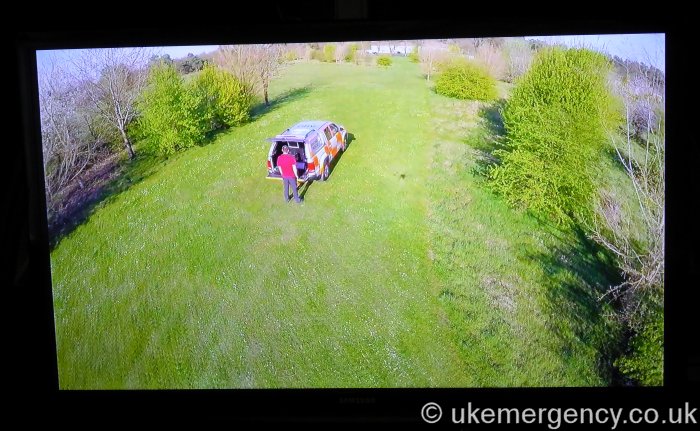
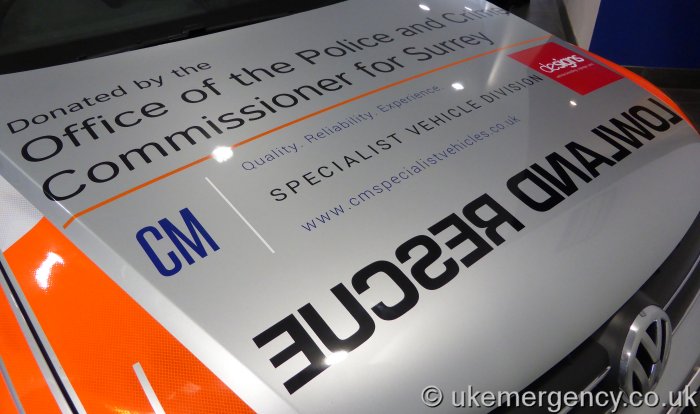
SG15 AED Surrey SAR VW Amarok Lowland Rescue vehicle. This 2015 4×4 replaces their old Land Rover Defender. The car is suited to travelling across the county on normal roads but also has good off road capability where required. A fold-down screen in the Truckman rear allows briefing to be given or other information to be displayed – such as the view from a drone (shown). The total cost for the vehicle was £32,500 and was met by the county’s Police and Crime Commissioner.
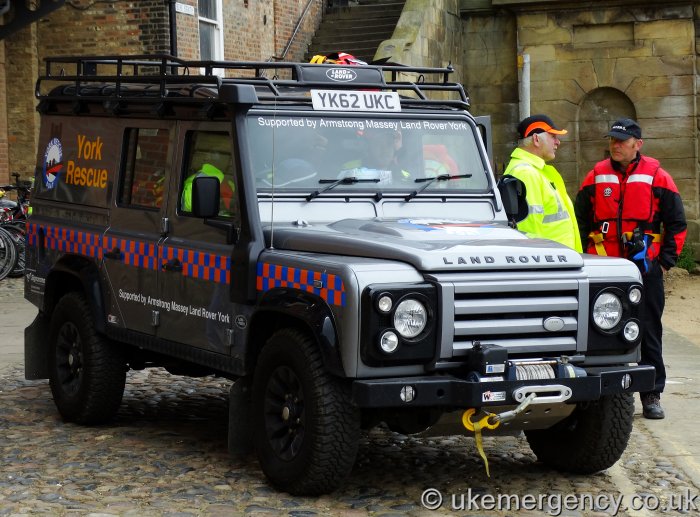
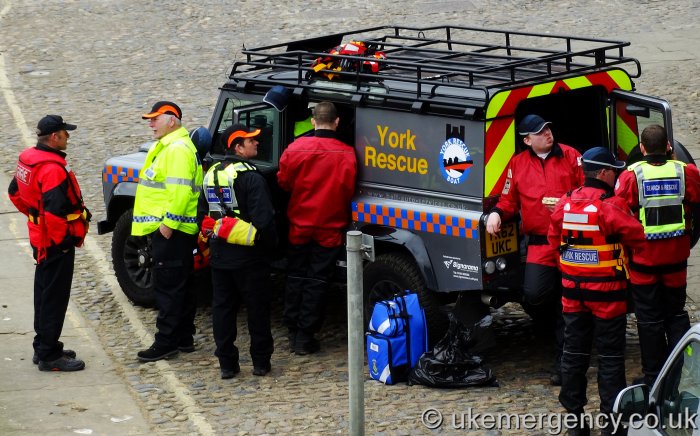
YK62 UKC York Rescue Boat Land Rover Defender in operation