Author: UK Emergency Vehicles

Edinburgh Fire Museum on Lauriston Place

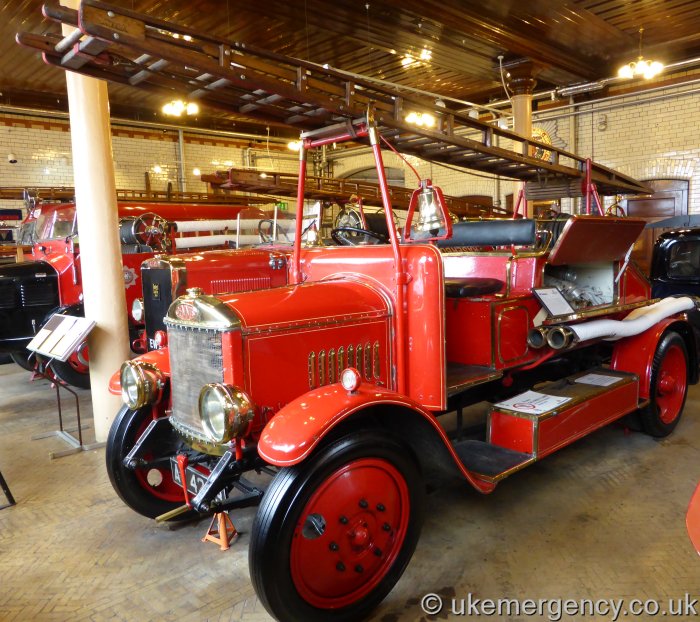
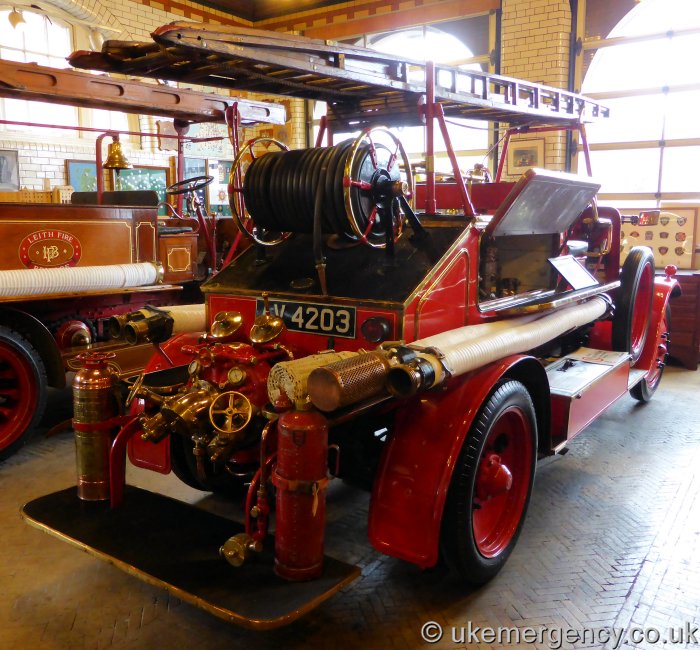
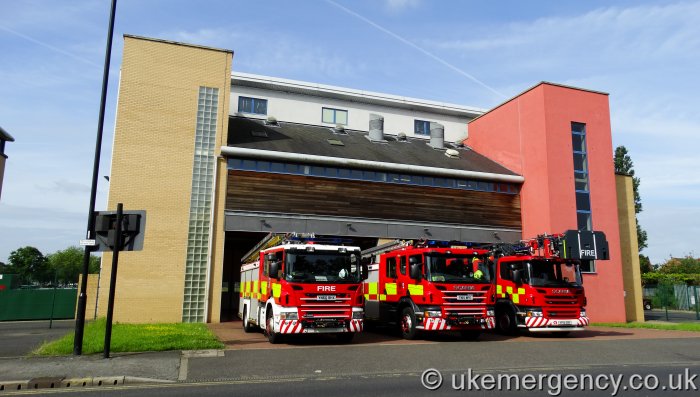
Edinburgh Fire Museum on Lauriston Place – with visions of yesteryear. Construction of the building as a fire station was completed in June 1900 at a cost of £43,000. Accommodation for the firemaster was included, as well as rooms for 30 firemen and their families. There was also workshops, stables (for horse-drawn appliances), laundry and (later) a control room. The museum has used the main bays since 1988. As of 2016, the building’s future is in doubt as the fire service look to move out and sell it. This would end over 100 years of fire appliances being based in the bays.

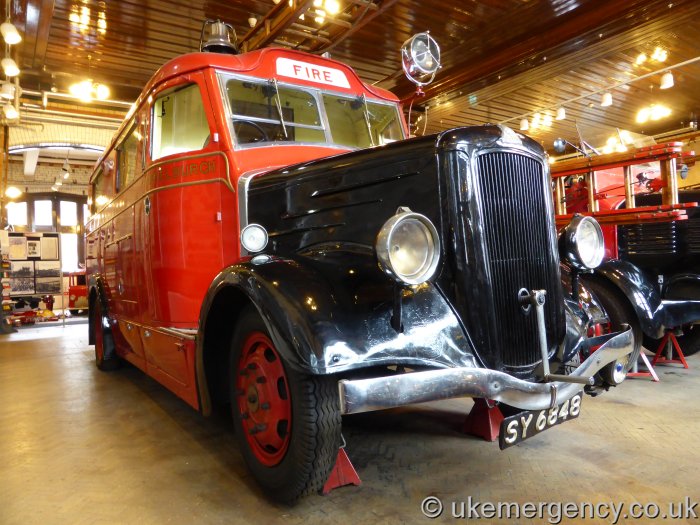
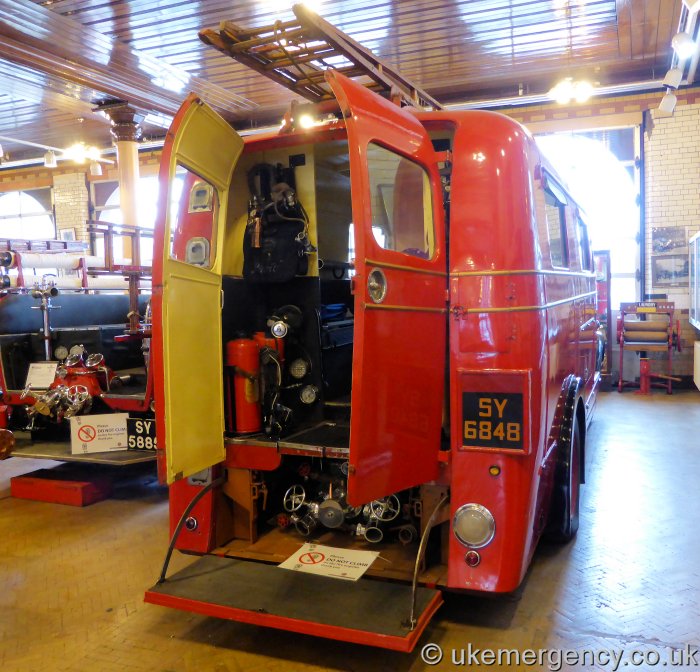
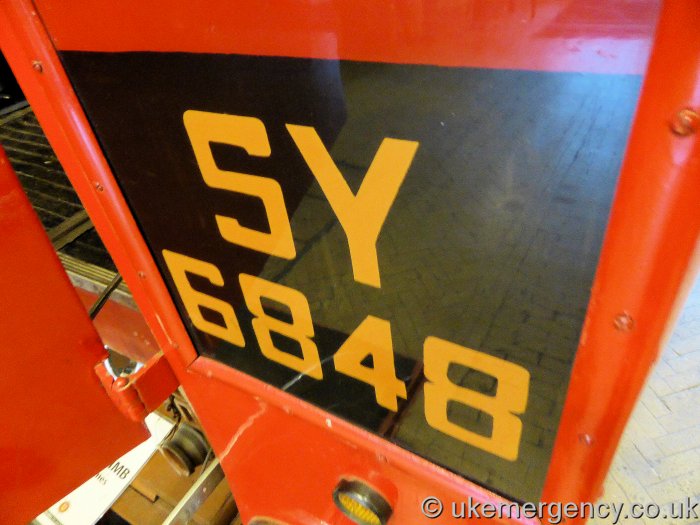
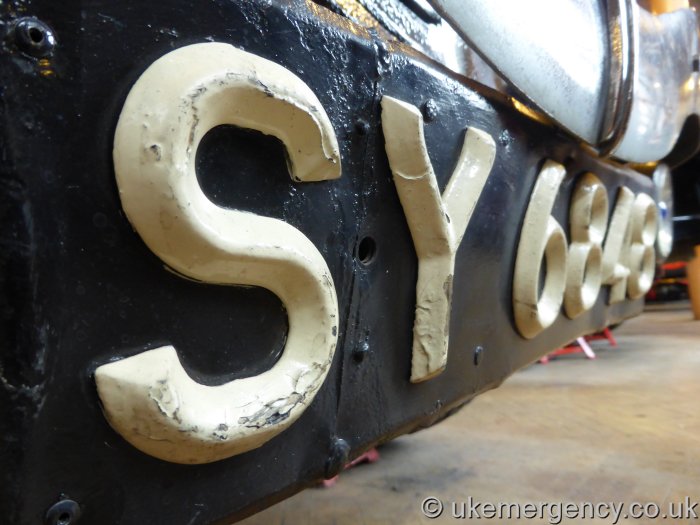
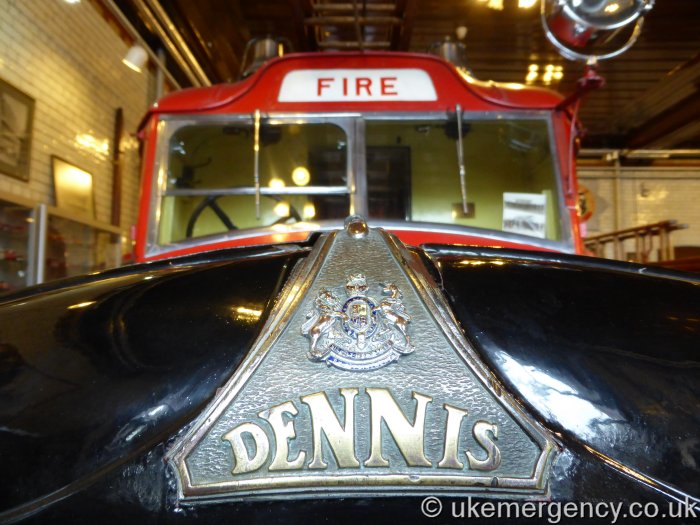
SY 6848 Dennis Limousine

SY 6848
Dennis Limousine
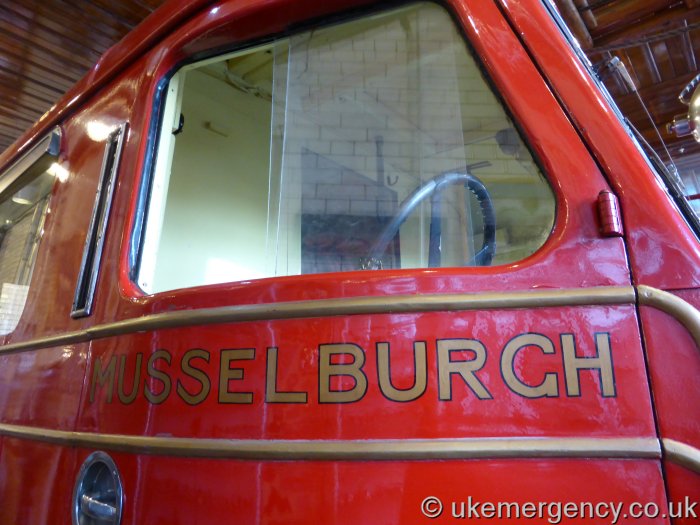
Manufactured in 1936 and stationed at Musselburgh, East Lothian. This was one of the first covered appliances. The primary reason was to keep the equipment safe and dry rather than protecting the firemen from the rain and cold.

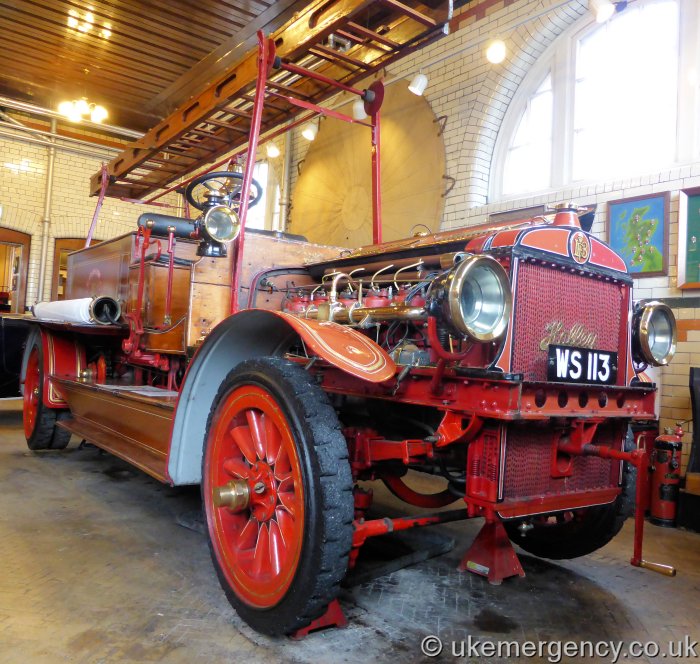
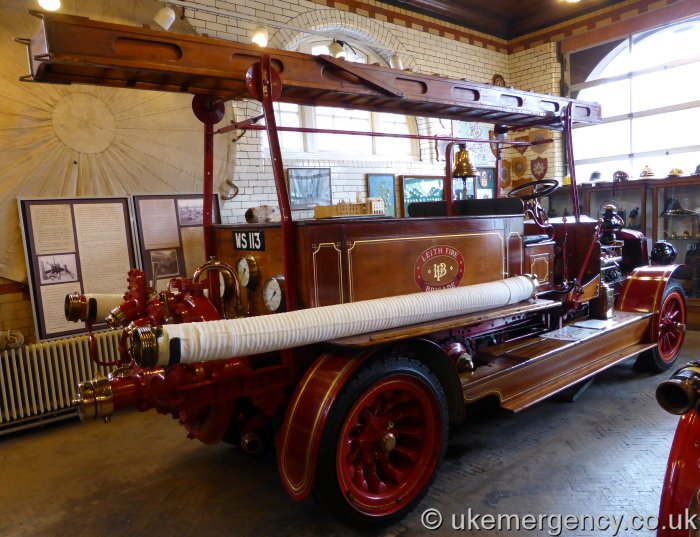
WS 113 Leith Fire Brigade Halley fire appliance

WS 113
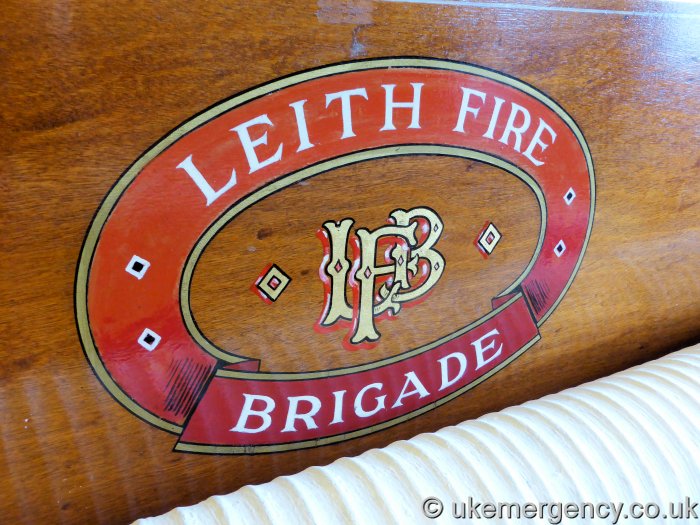
Leith Fire Brigade
Halley fire appliance
Manufactured in 1910 by Halley Company, Glasgow, for £1000. It is one of the oldest motorised fire appliances in existence and the only example of this type of appliance in the world. It is unusual because it is mad mainly of wood, even the wheels, which have solid rubber tyres. After service in Leith it was used as a stand by appliance at Bangour Village Hospital from 1932. It then became a breakdown lorry followed by being bought by an enthusiasts for preservation. The enthusiast passed away in 1965 and the appliance was bought at auction by Carlsberg for £1740. They then kindly donated it to the Edinburgh Fire Museum.

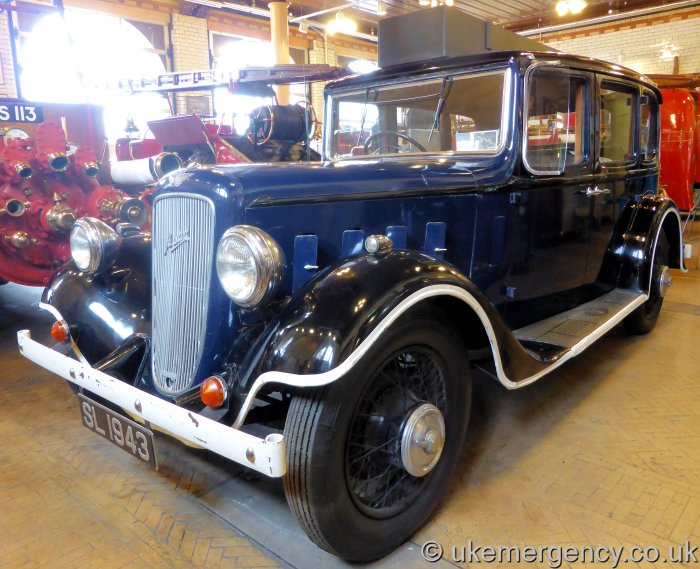
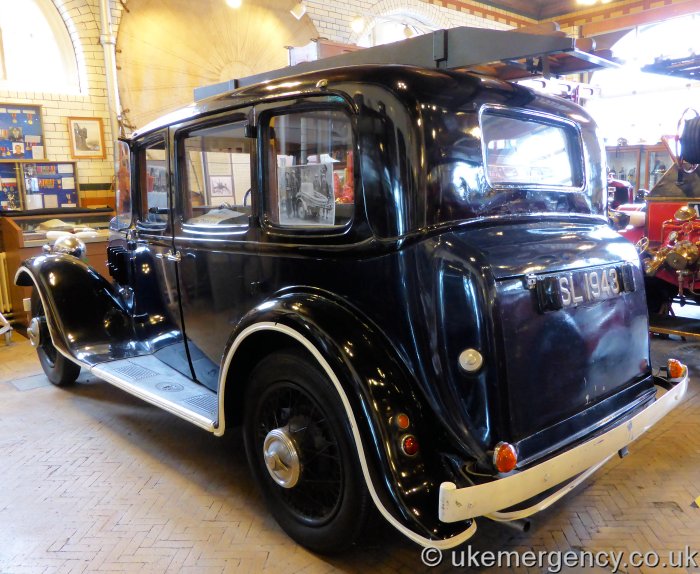
SL 1943 National Fire Service Austin Taxi

SL 1943
National Fire Service
Austin Taxi
Commandeered by the NFS between 1939 and 1945, this Kirkintilloch taxi had ladders attached to the roof and firefighting equipment such as hose branches stowed in the passenger area. To all intents it was a fire appliance and attended many blazes during the Second World War.

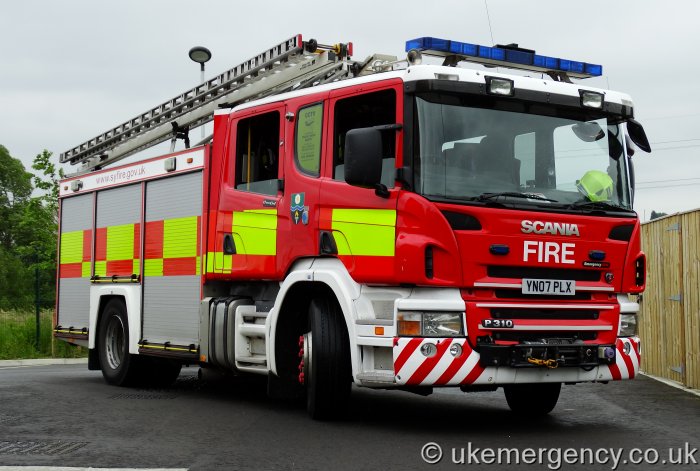
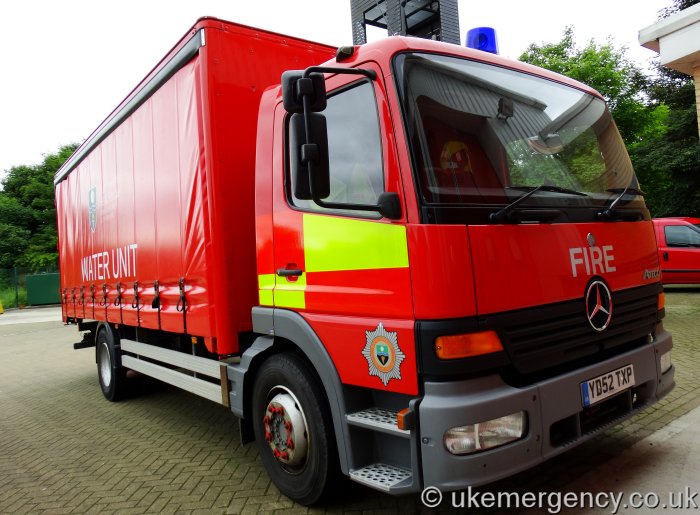
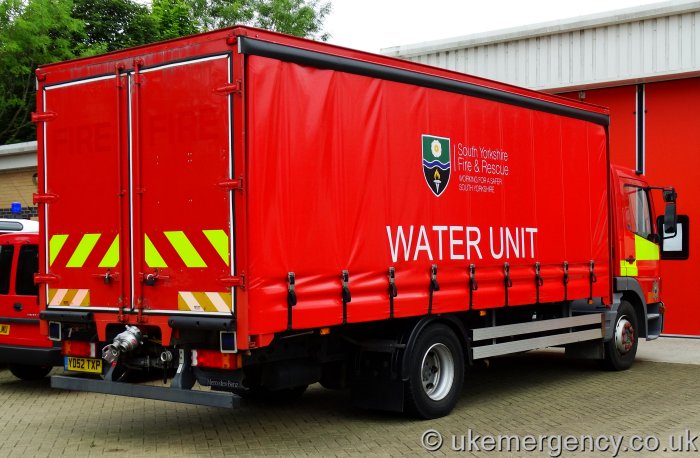
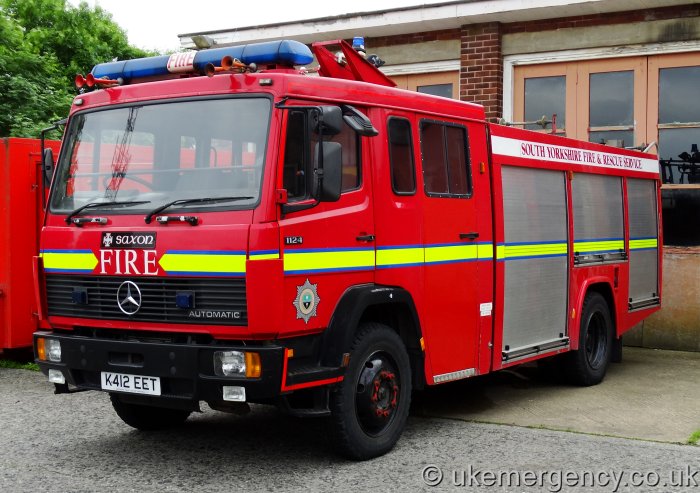
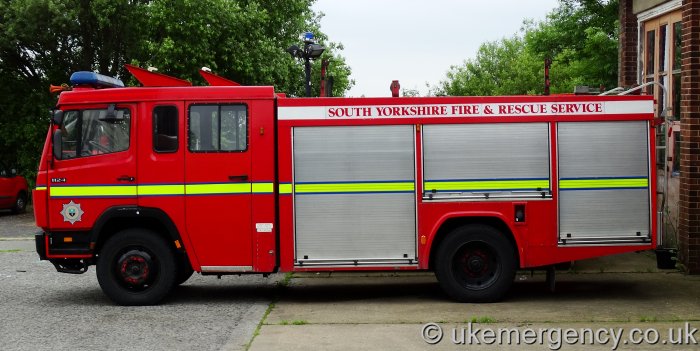
K412 EET South Yorkshire Fire and Rescue Service Mercedes Benz / Saxon

K412 EET
South Yorkshire Fire and Rescue Service
Mercedes Benz / Saxon
Still part of the fleet in 2016, despite being new in 1993. This appliance, along with sister vehicle K413 EET are both non-operational vehicles used for youth engagement work such as fire cadets and LIFE/ARC courses. The courses run for about a week at stations across South Yorkshire so the appliance moves around regularly.

Neither vehicle has any radio communication equipment or Mobile Data Terminals installed. They’ve been off front-line duties for several years and 4 further sister vehicles were disposed of a number of years prior to this photo.

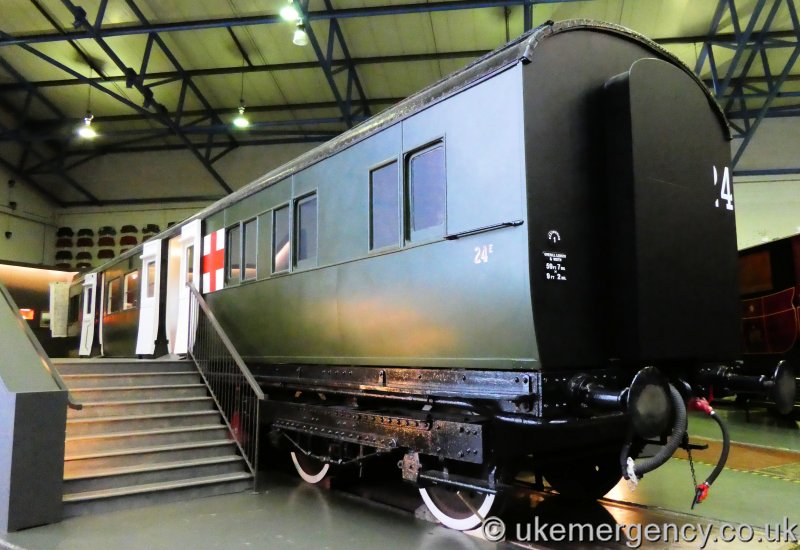
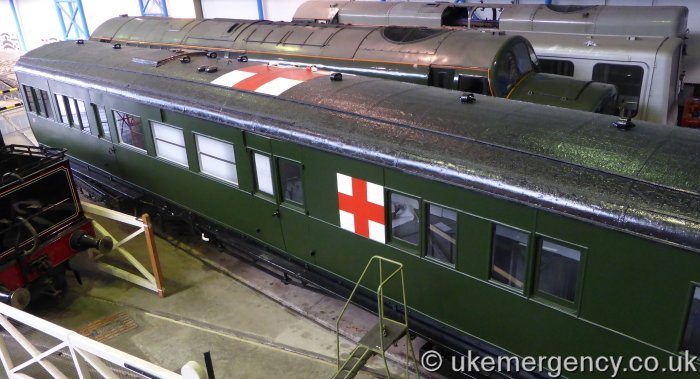
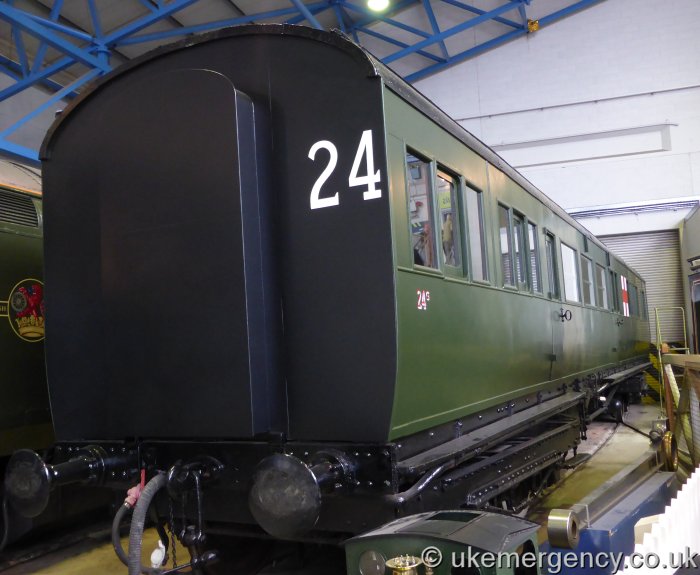
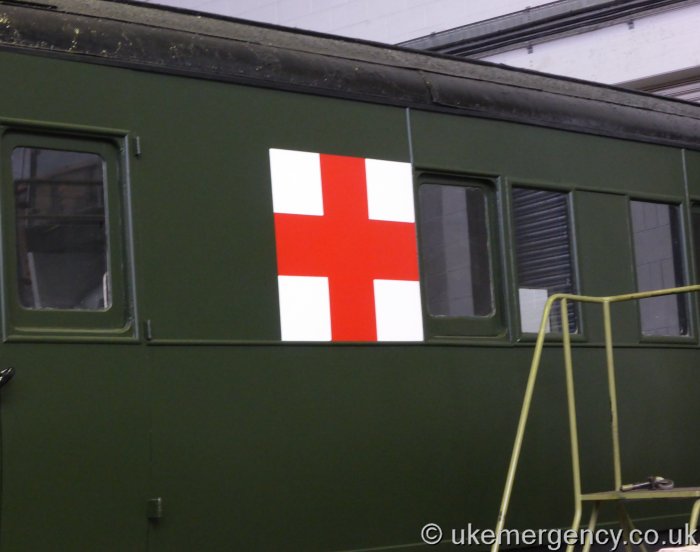
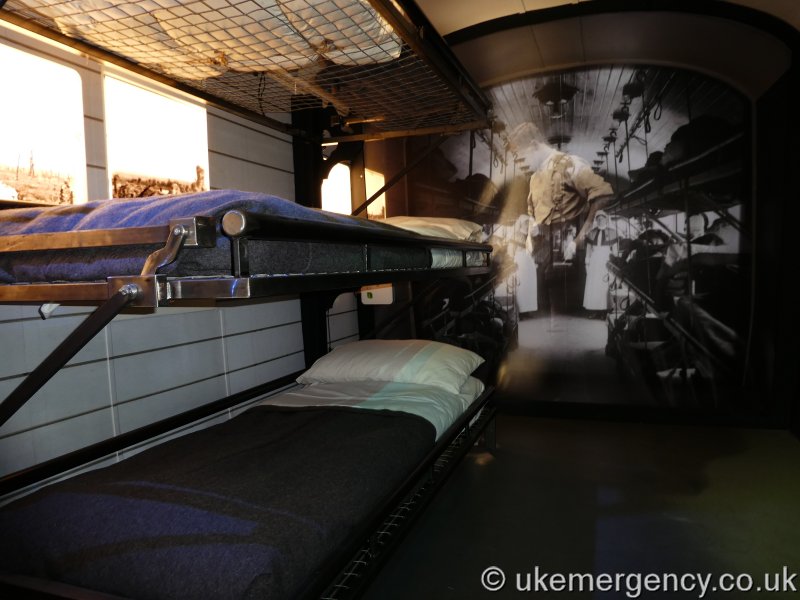
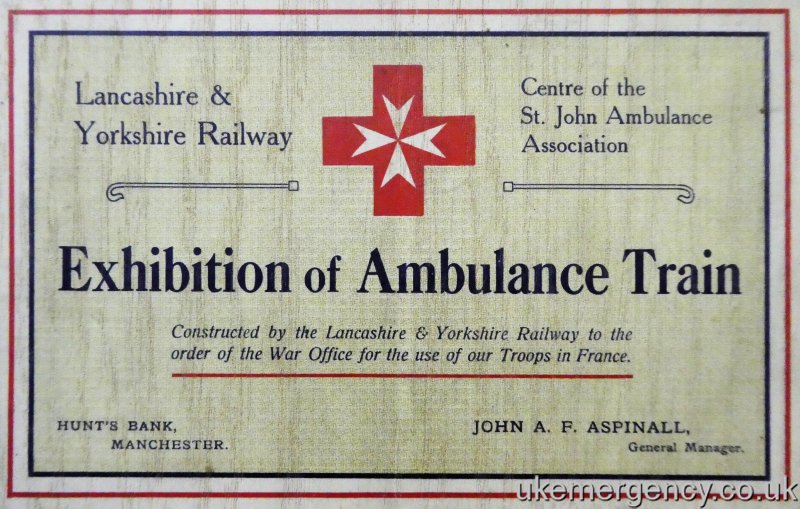
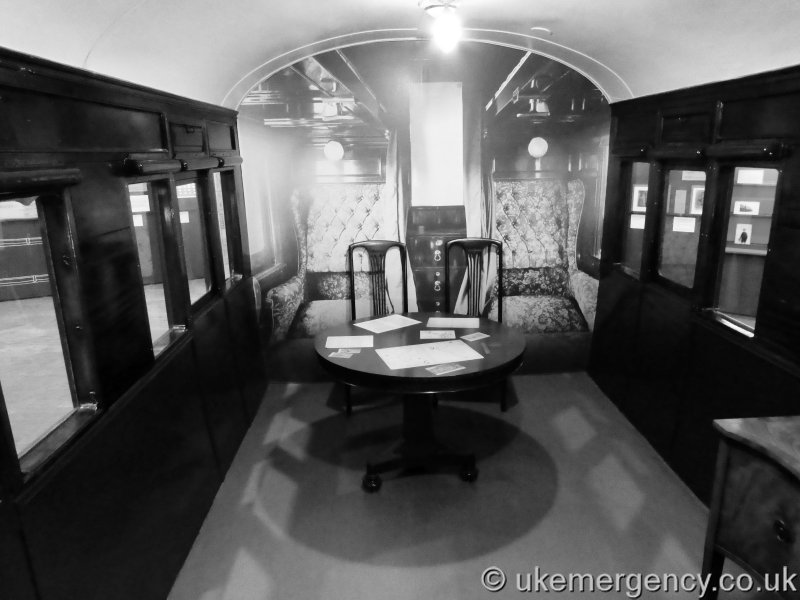
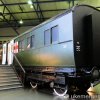
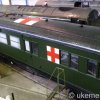
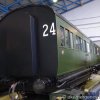
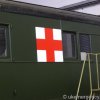
A recreation of an ambulance train. Long trains like this were

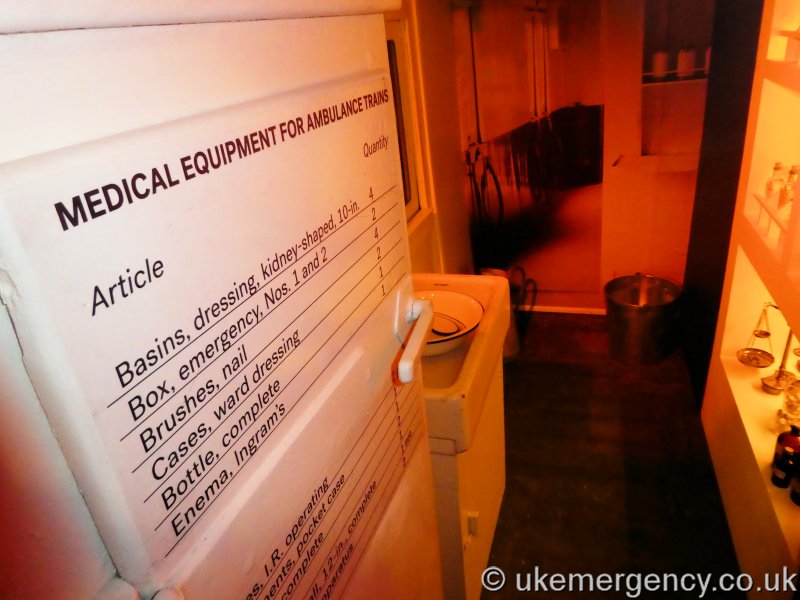
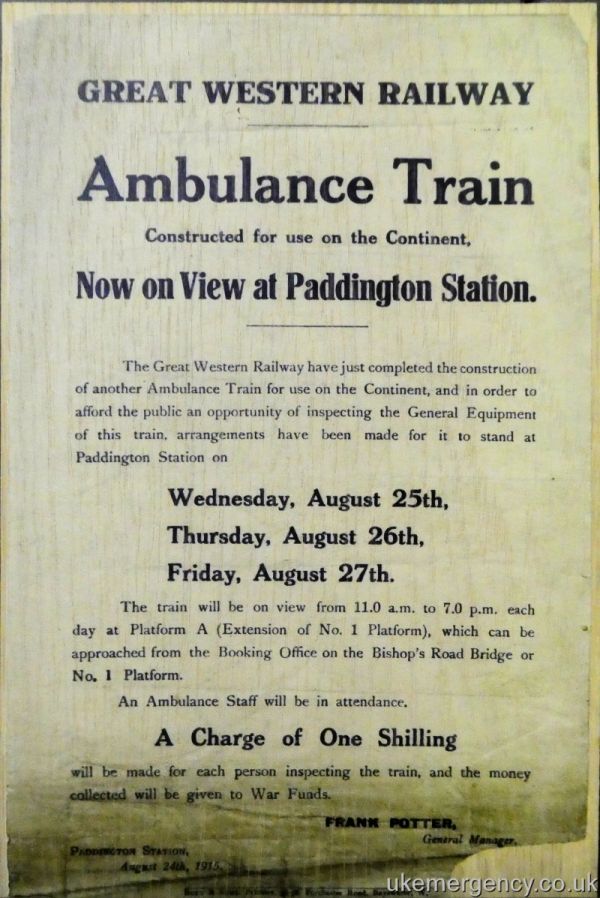
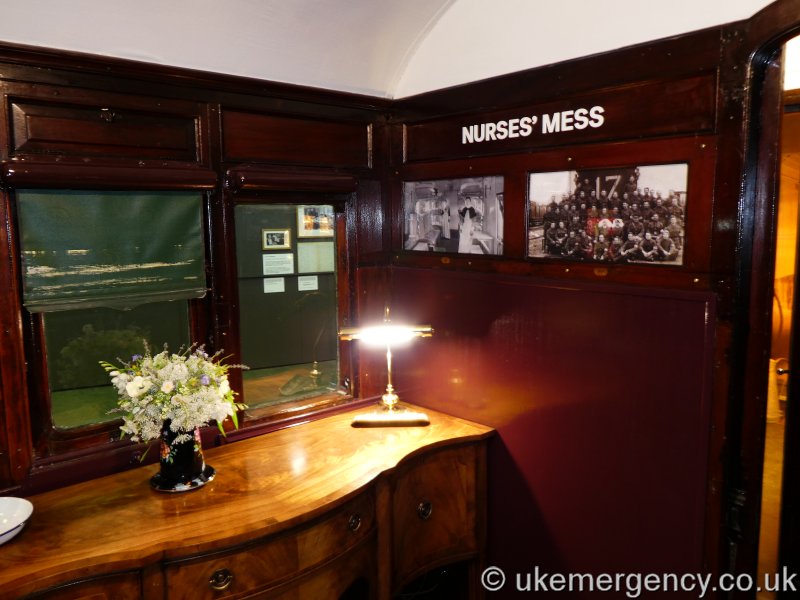
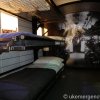
A recreation of an ambulance train. Long trains like this were used to evacuate sick and injured soldiers to safety UK during World War I in 1914-18. Inside were bunk beds, nurses and a small pharmacy.

These huge hospitals on wheels were built at an incredible speed by the railway companies across Britain before entering service in France as well as the UK.

The trains were tightly packed with patients scarred by wounds as well as memories. The men were cared for by staff who worked long hours under intense pressure.

Typically there would be 47 orderlies, 3 medical officer, 3 nurses and 3 chefs looking after an incredible 500 casualties. The philosophy was to carrying as many casualties as possible as it was better to transport many people in some discomfort than to leave people at the battle front casualty clearing stations.

Triple bunks were used to maximise the space. If there were a number of seated patients, then they would occupy the lower bunks and this could push the number of patients being carried up to 650.
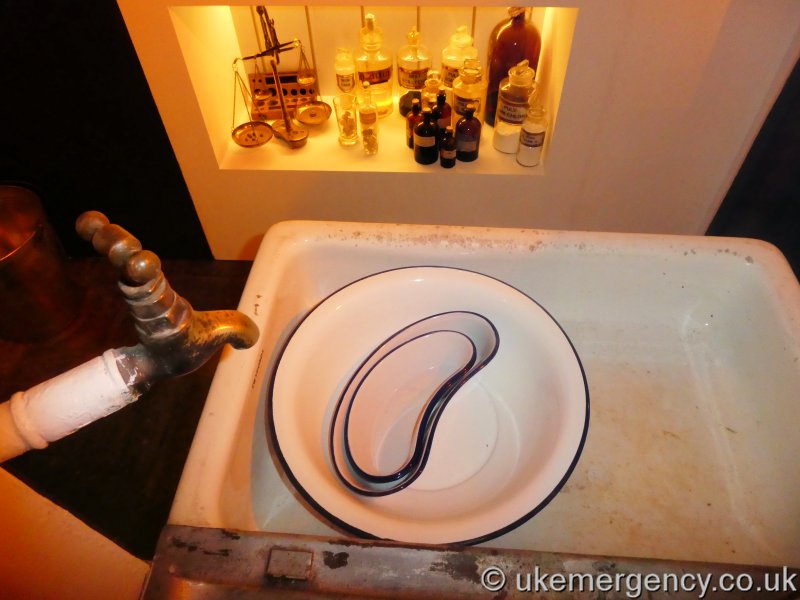
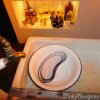
A small pharmacy on board would attempt to provide basic comfort to the patients on board.
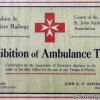
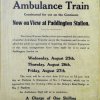
There was a lot of interest around the ambulance trains when they were designed and introduced. A number of public events were organised to give people the opportunity to take a look for themselves at this new approach to repatriating injured servicemen.
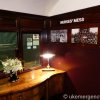
The nurses mess provided an area where the small number of nurses could have a short break from dealing with the traumatic scenes on board.
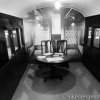
Train companies were able to quickly build these train at the outbreak of war in 1914 because the Government had given them advance notice. Secret drawings were passed to the managers of Britain’s railways in 1912.

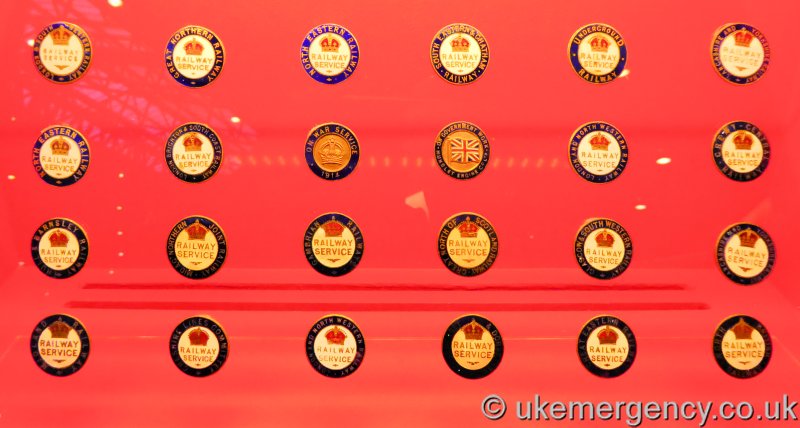
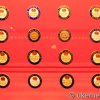
With so much work to do in Britain, many railway workers were denied permission to join the army. Those who stayed behind wore badges to show they were involved in war work and avoid being branded as cowards.

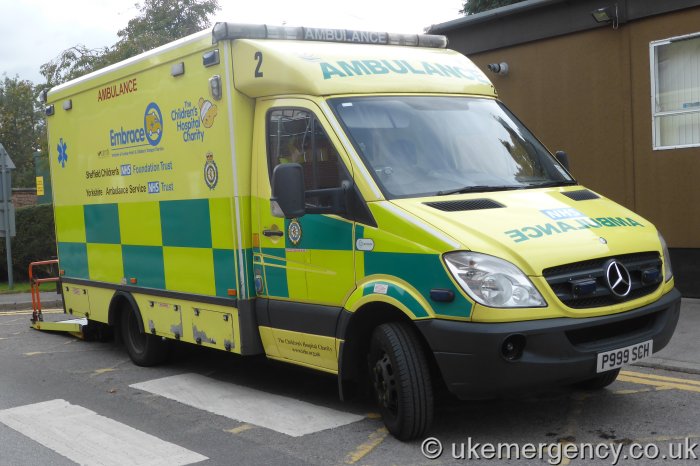
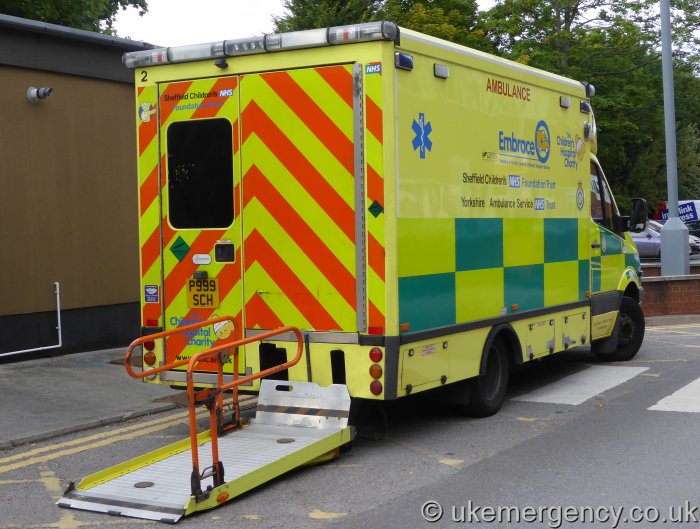
P999 SCH Yorkshire Ambulance Service Mercedes Sprinter

P999 SCH
Yorkshire Ambulance Service
Mercedes Sprinter
Marked as being operated by Embrace, The Children’s Hospital Charity, Sheffield Children’s NHS Foundation Trust as well as YAS. Notice the private plate reading 999 Sheffield Children’s Hospital.
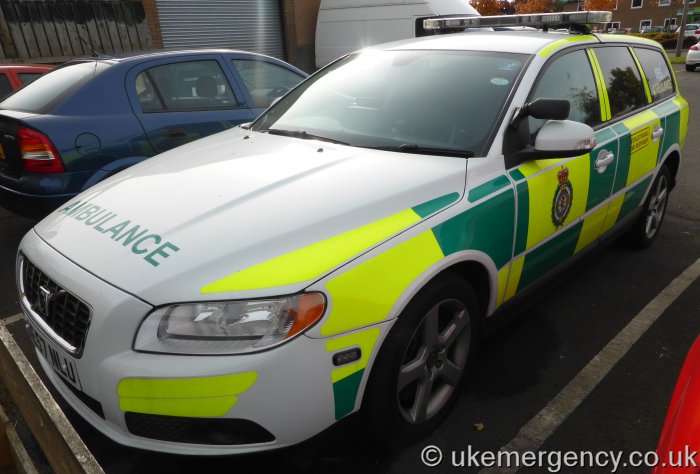
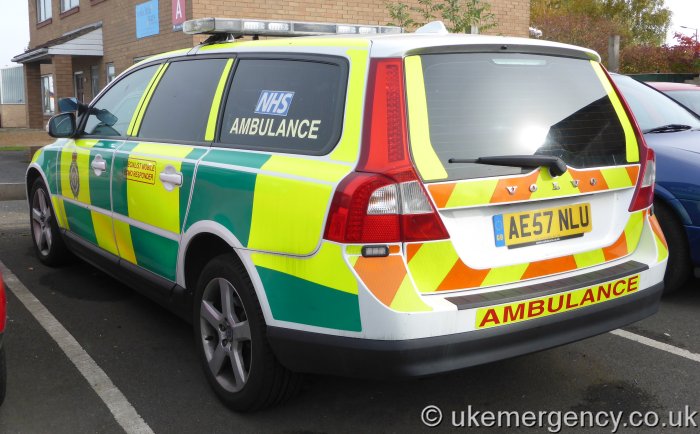
AE57 NLU University Hospital of South Manchester Volvo V70

AE57 NLU
University Hospital of South Manchester
Volvo V70
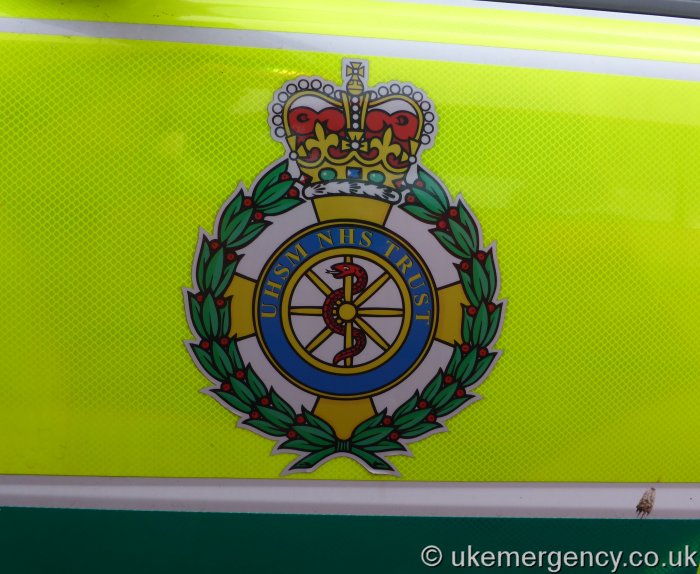
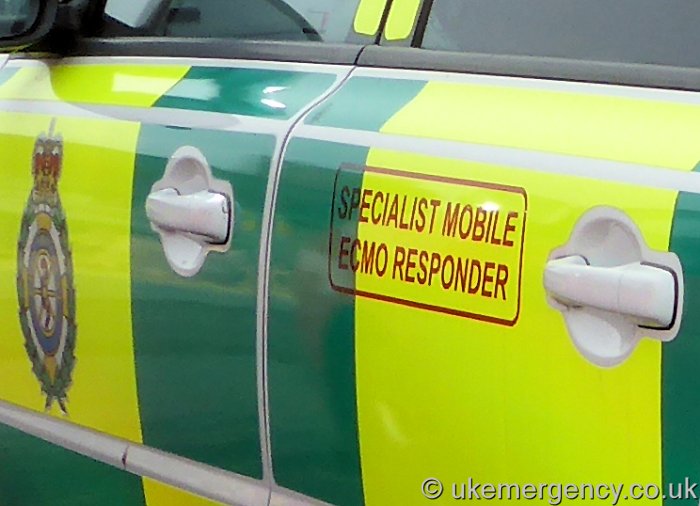
Used as a Specialist Mobile ECMO (extracorporeal membrane oxygenation) Responder car. ECMO takes over patient’s heart and lung functions when the organs are badly damaged and where a ventilator is not enough to keep them alive.