LD15 RRO BMW X5 demonstrator being used to escort a cycle road
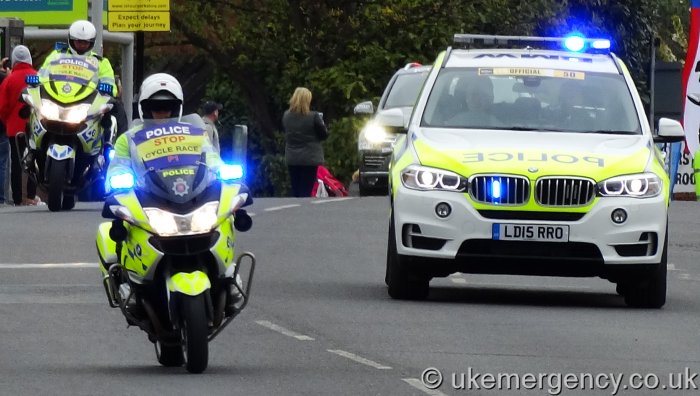
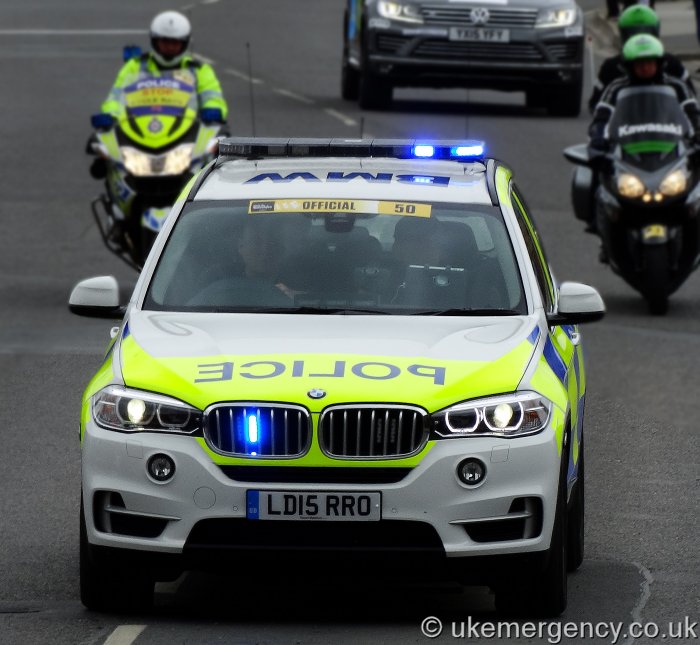
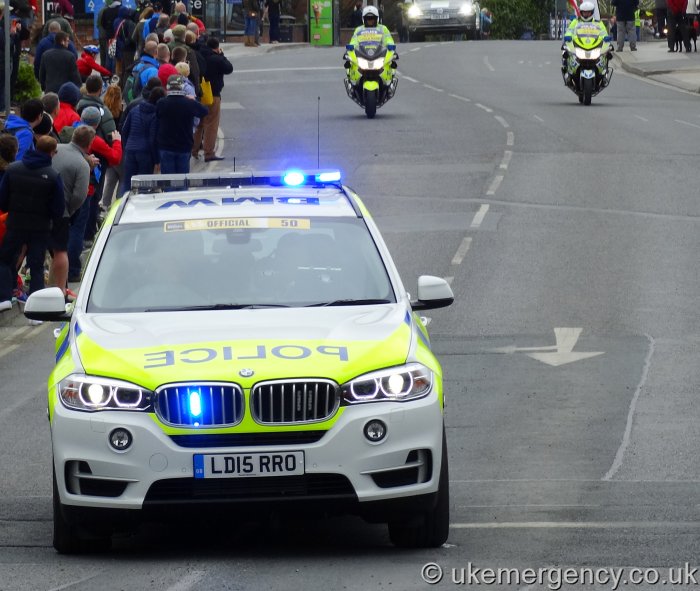
LD15 RRO BMW X5 demonstrator being used to escort a cycle road race. Notice the ‘BMW’ roof markings.

LD15 RRO BMW X5 demonstrator being used to escort a cycle road race. Notice the ‘BMW’ roof markings.
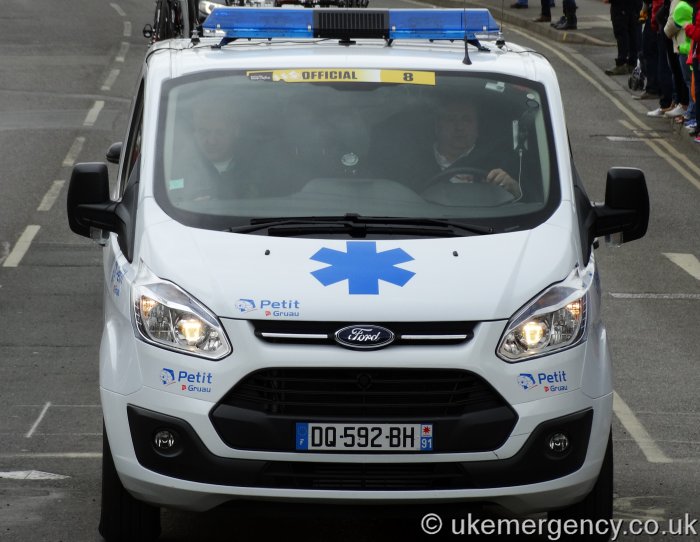
This French Ford Transit ambulance was used as a support vehicle for the Tour de Yorkshire cycle race in 2015.
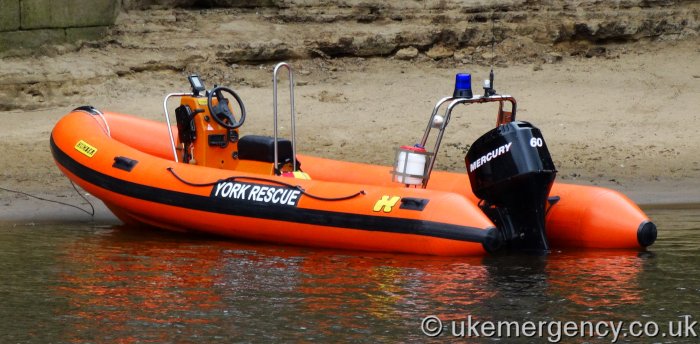
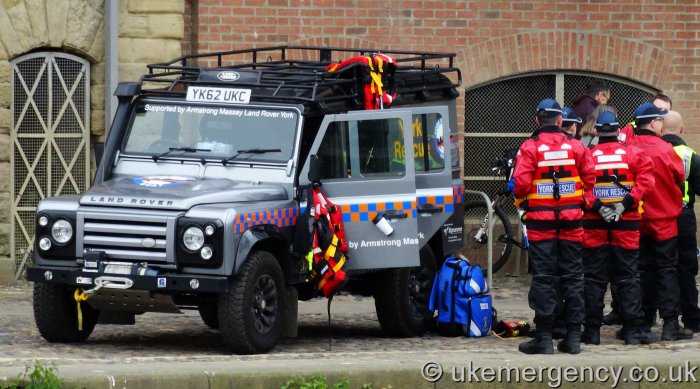
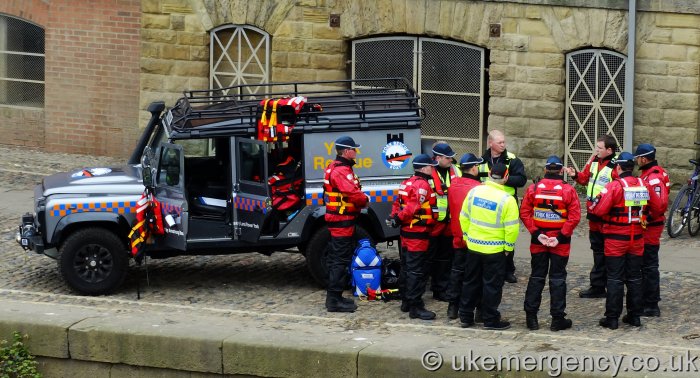
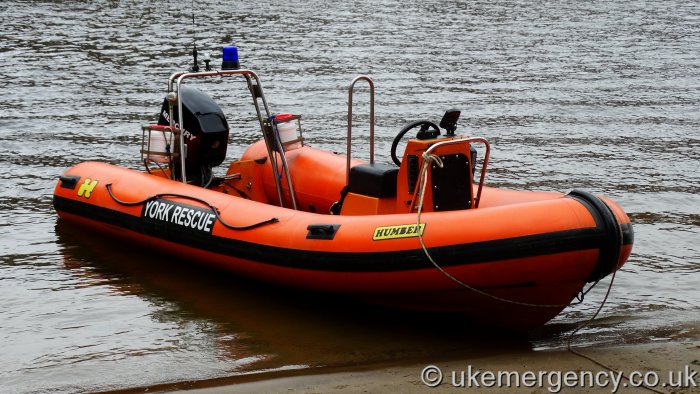
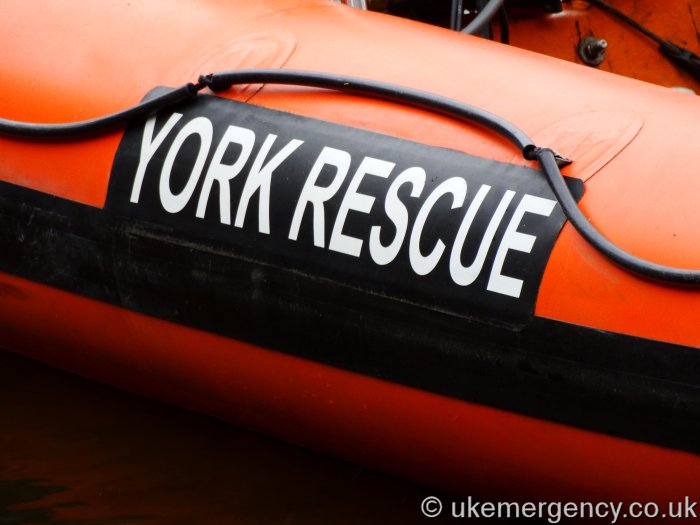
York Rescue Boat during one of its first operation shifts in Spring 2015. Also show are the team being briefed at the start of the shift.
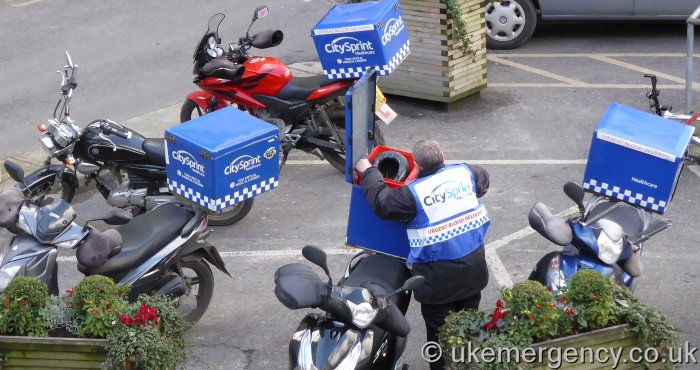
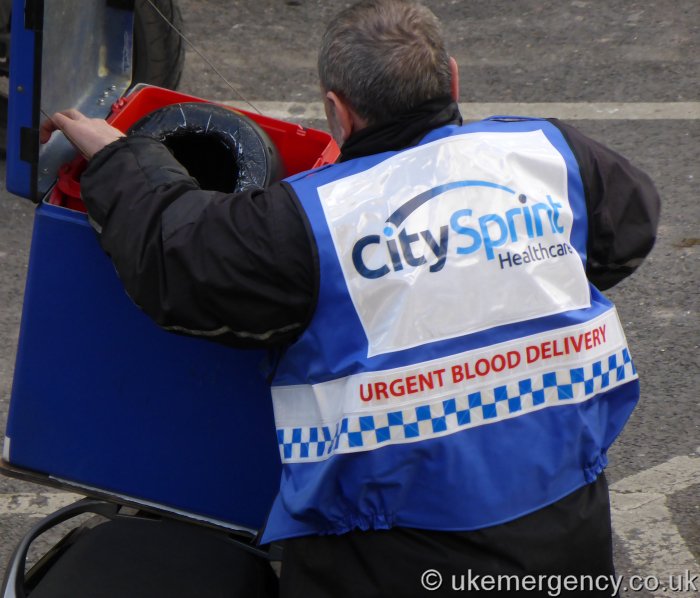
City Sprint Healthcare operate a number of mopeds carrying ‘urgent blood delivery’ wording in central London. Most of them carry L-plates.
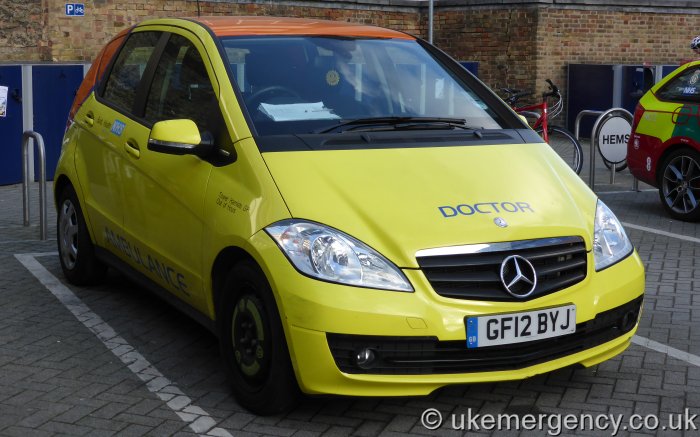
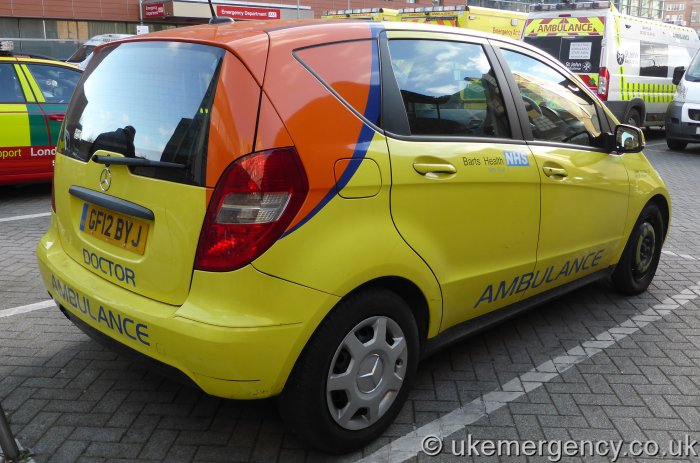
GF12 BYJ Barts Health NHS Trust Mercedes Benz A160 Doctor / Ambulance car
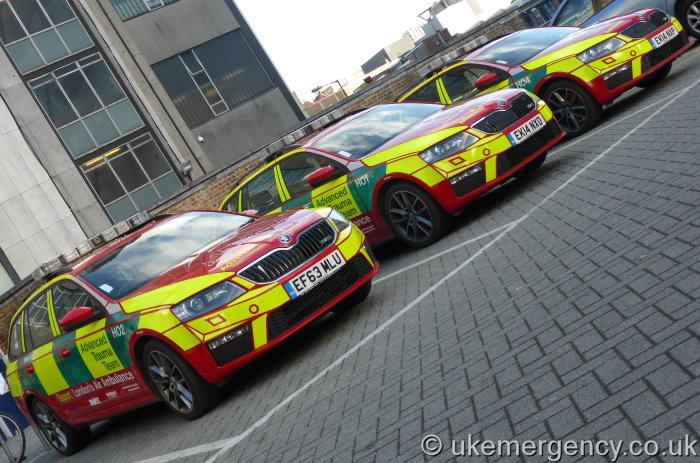
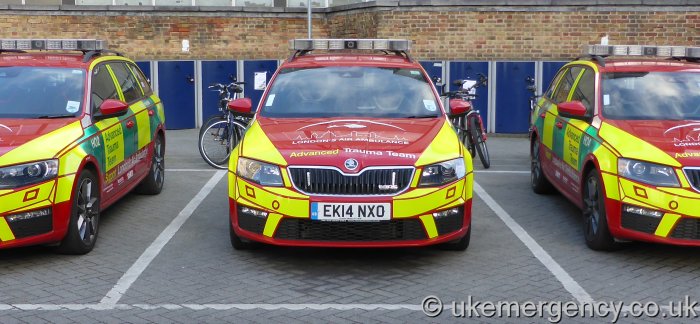
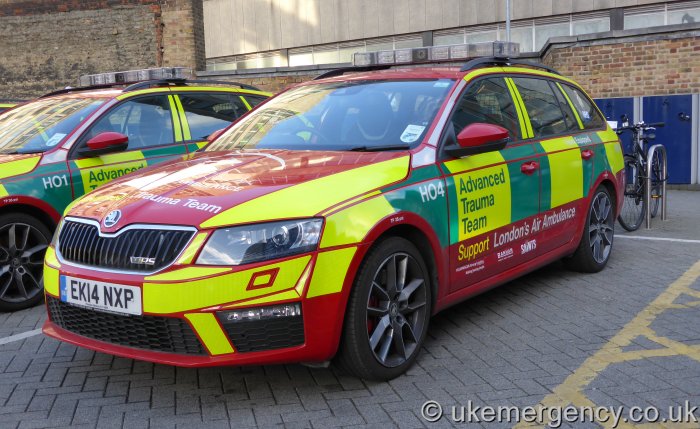
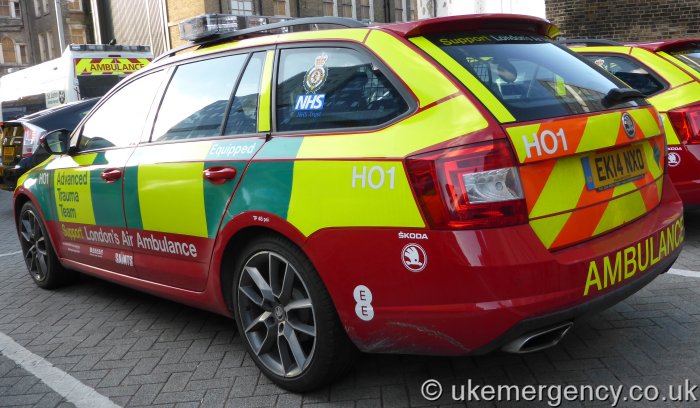
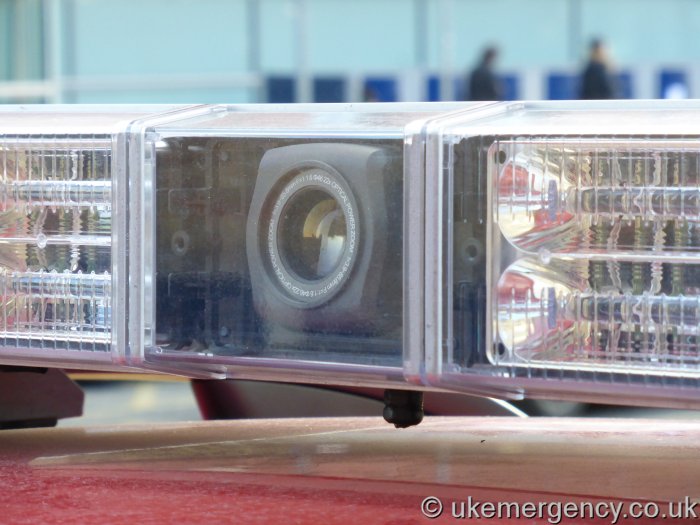
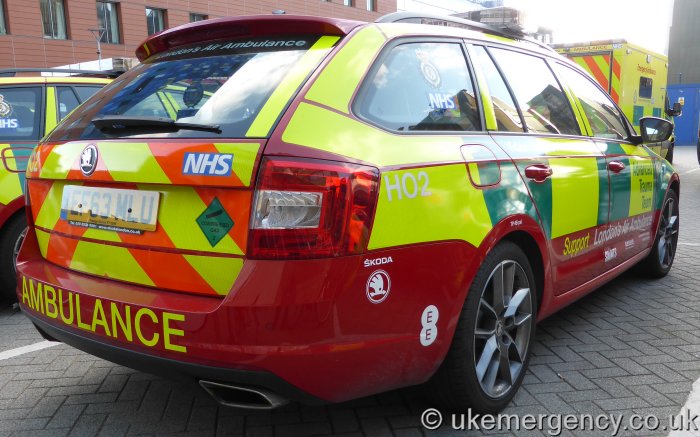
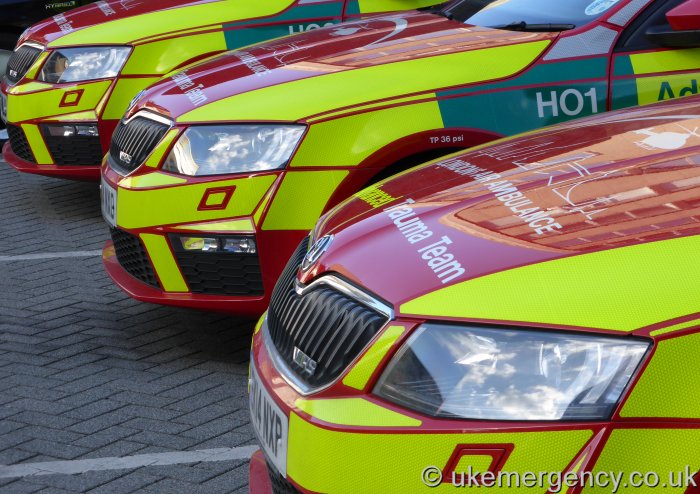
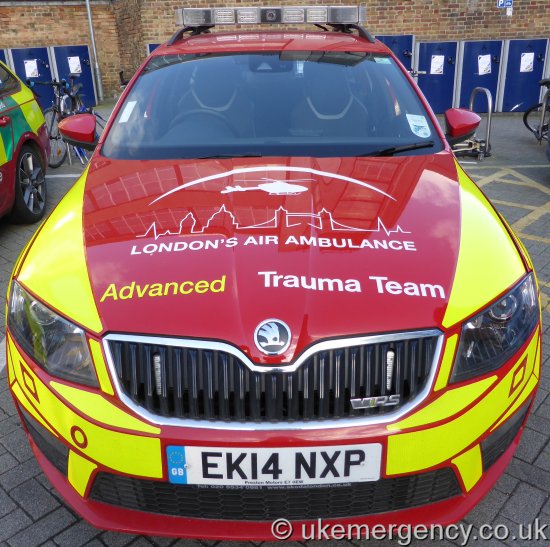
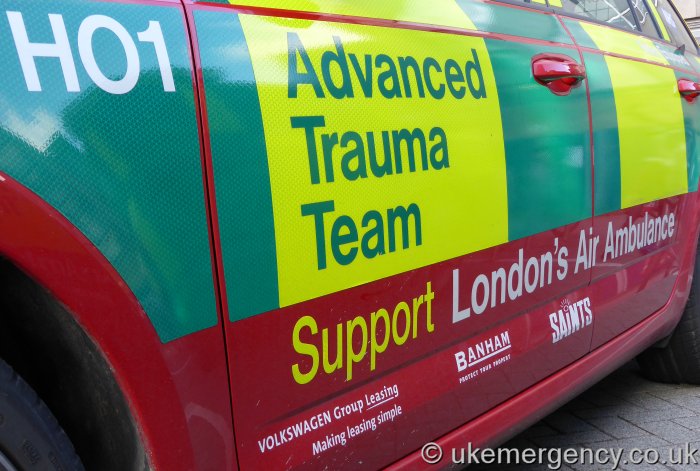
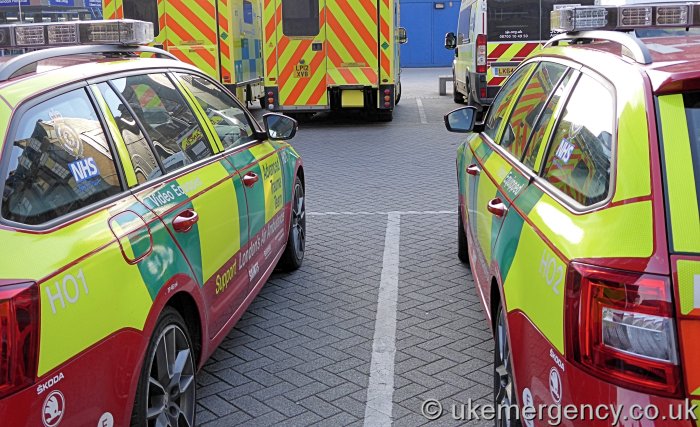
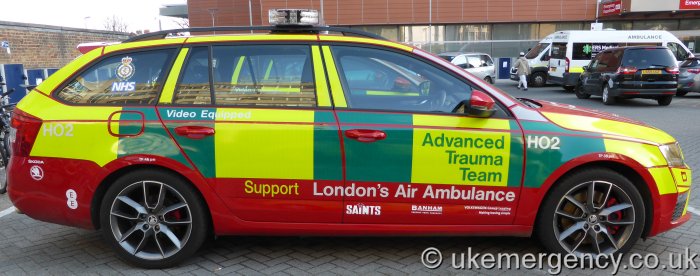
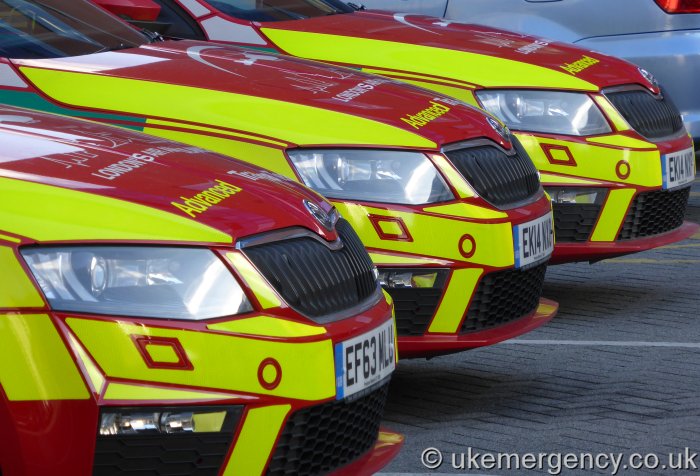
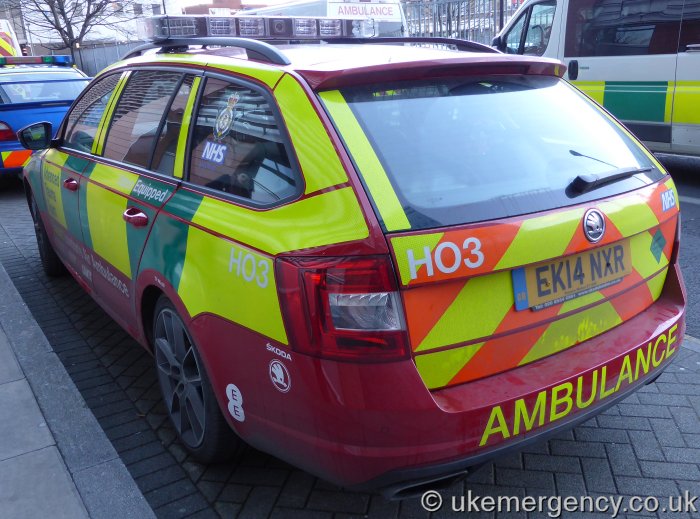
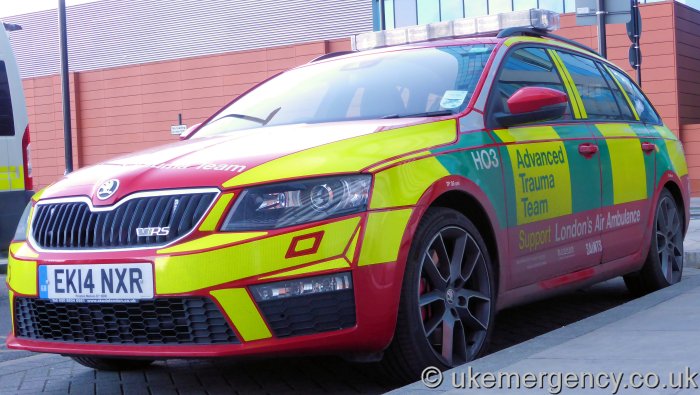
London’s Air Ambulance Skoda Octavia VRS providing a ground-based alternative to the helicopter in London. The cars are used when the helicopter is out of action or when weather prevents it flying. They are only used for the most serious medical emergencies.
The images show the sponsors and cameras mounted into the lights bars. The registrations and call signs are:
EK14 NXO [H01]
EF63 MLU [H02]
EK14 NXR [H03]
EK14 NXP [H04]
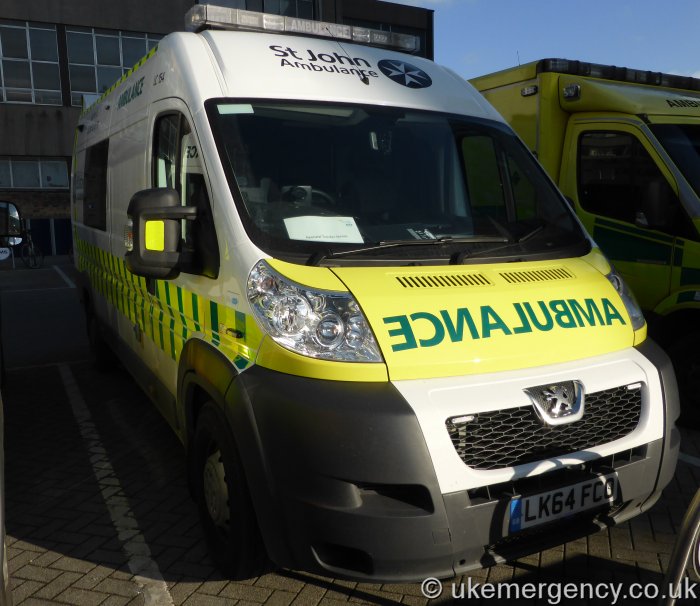
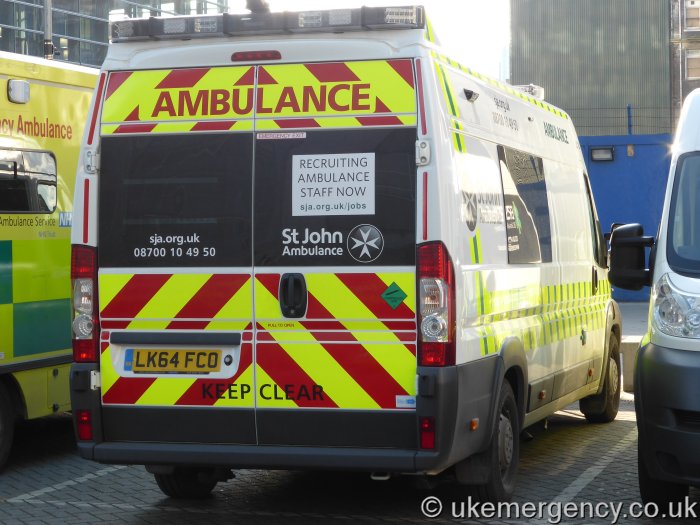
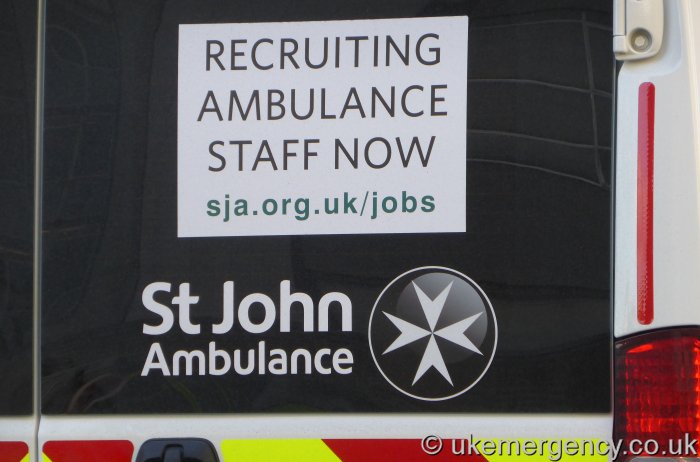
LK64 FCO St John Ambulance Peugeot Boxer which includes a recruitment advert on the rear
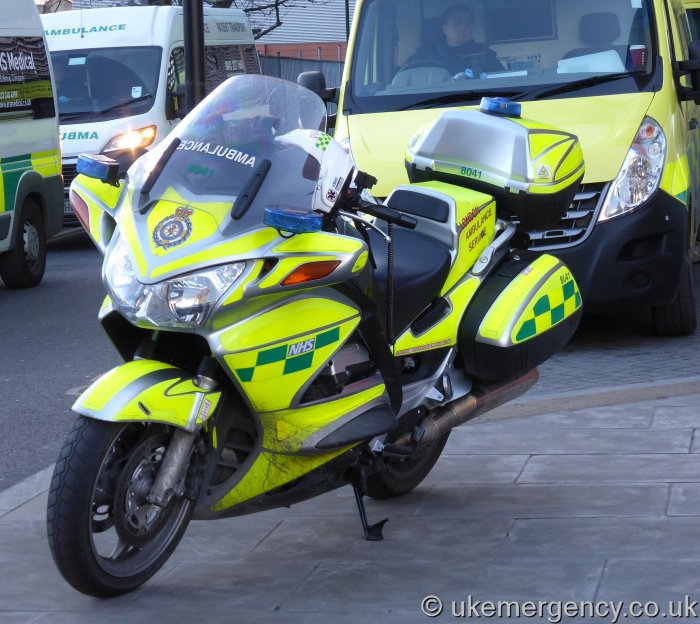
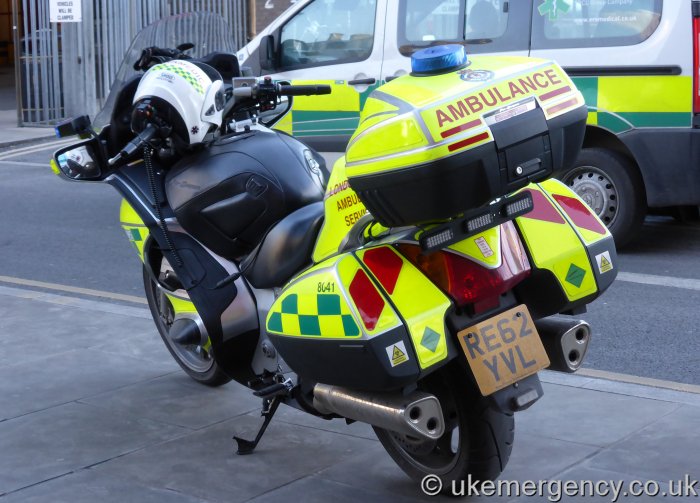
RE62 YVL London Ambulance Service Honda ST1300 rapid response bike
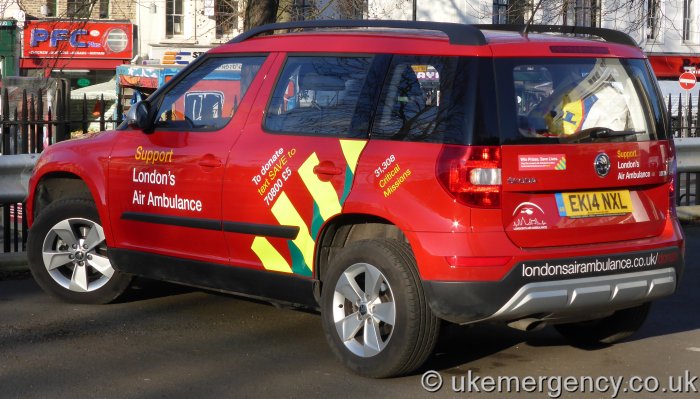
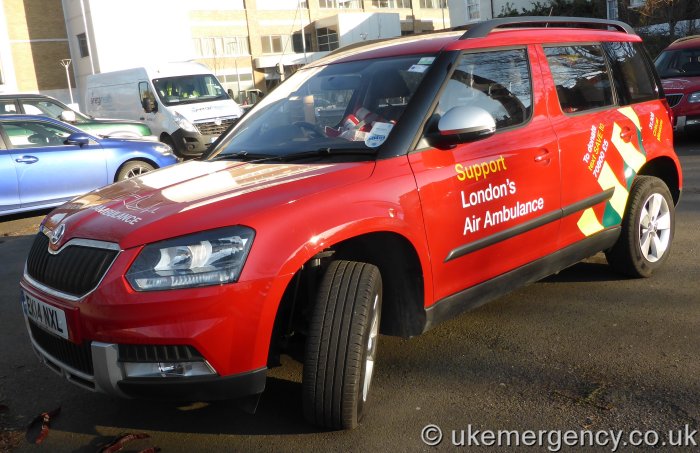
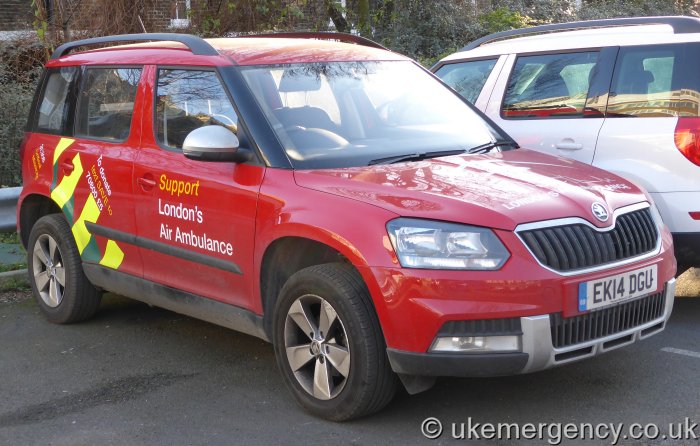
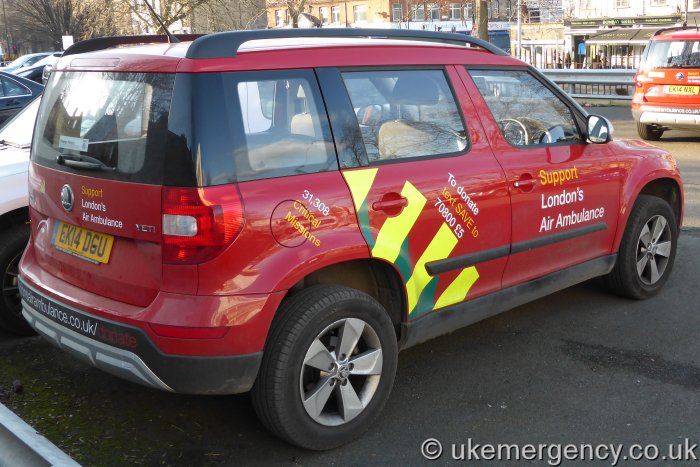
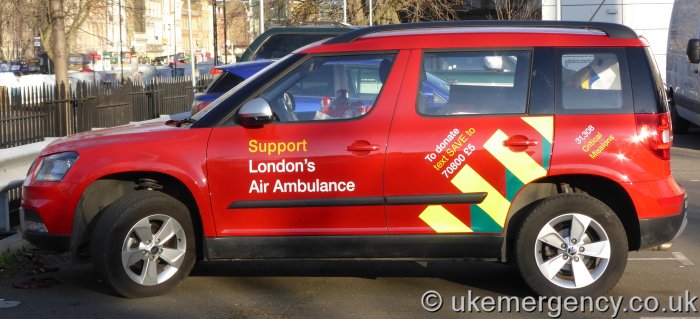
EK14 NXL EK14 DGU London’s Air Ambulance Skoda Yeti. These two cars are used for non-emergency support work. They carry the same branding as the rapid response Skoda Octavias.
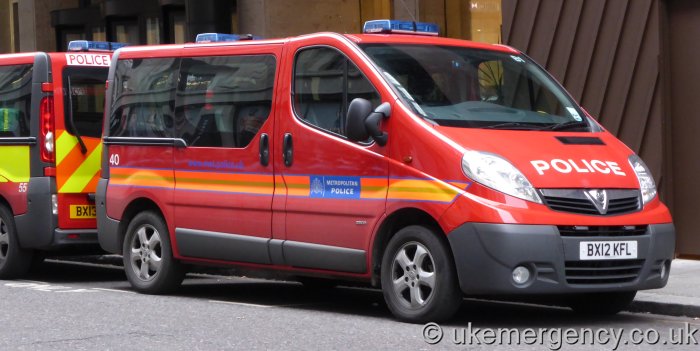
BK12 KFL Metropolitan Police Service Vauxhall Vivaro DPG minibus
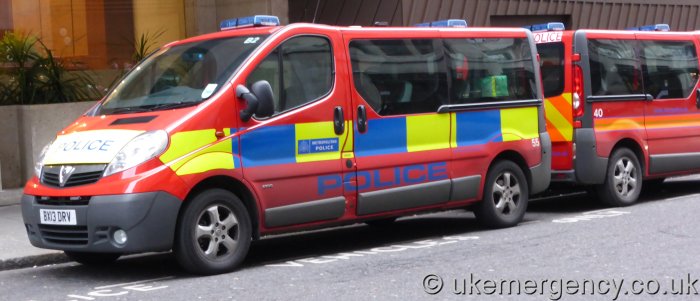
BX13 DRV Metropolitan Police Service Vauxhall Vivaro DPG minibus
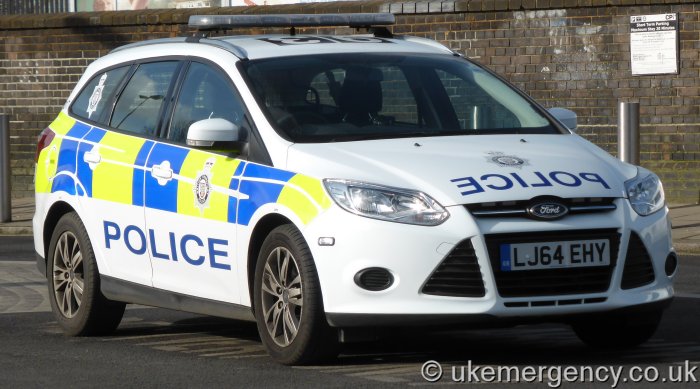
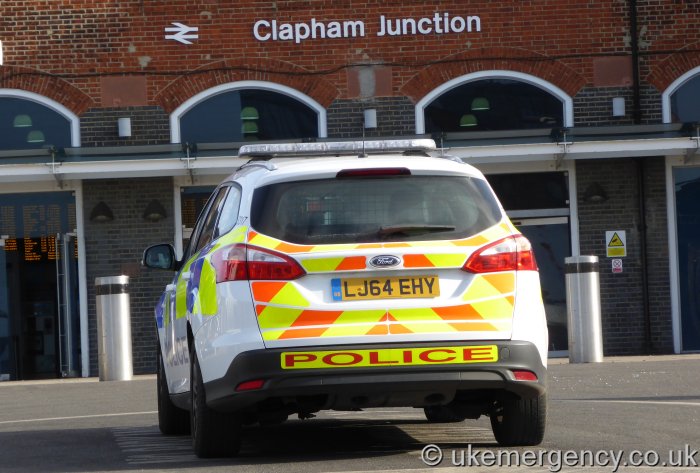
LJ64 EHY British Transport Police Ford Focus
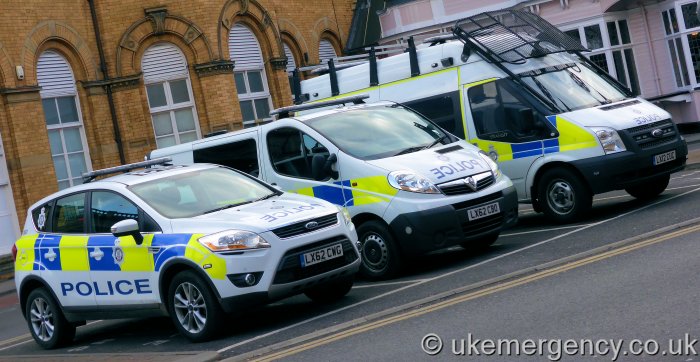
LX62 CWG LX62 CBO LX12 CUC British Transport Police Line up of vehicle in ascending height order! L-R: Ford Kuga, Vauxhall Vivaro, Ford Transit.
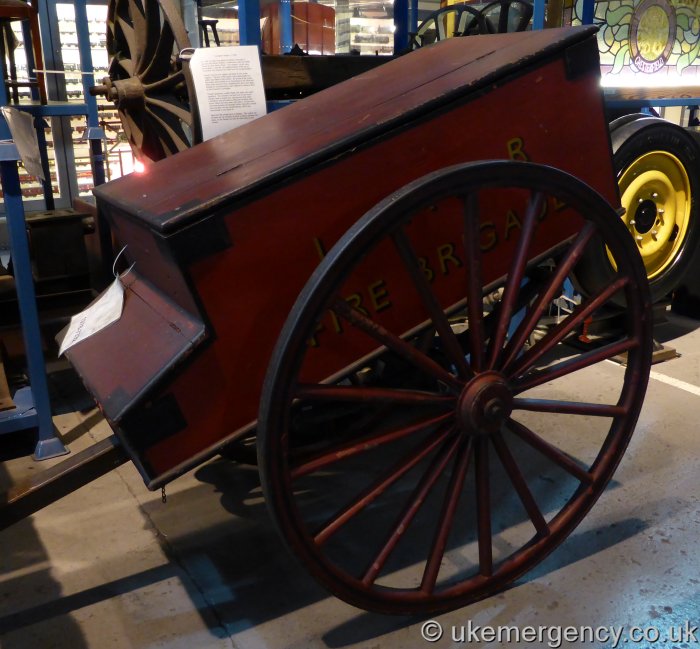
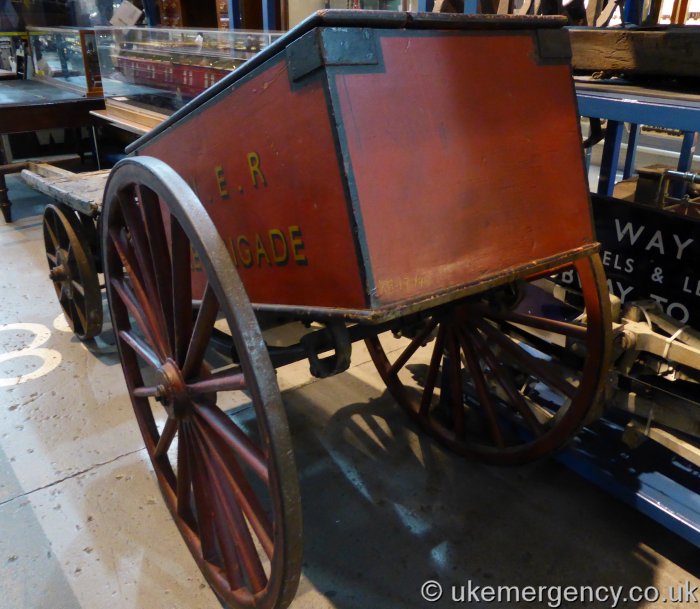
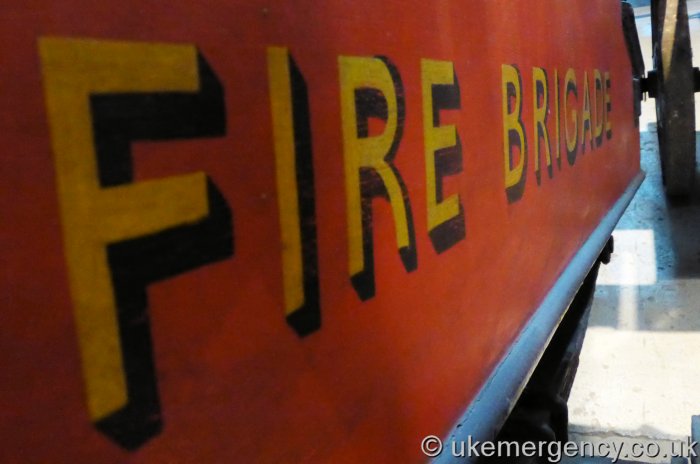
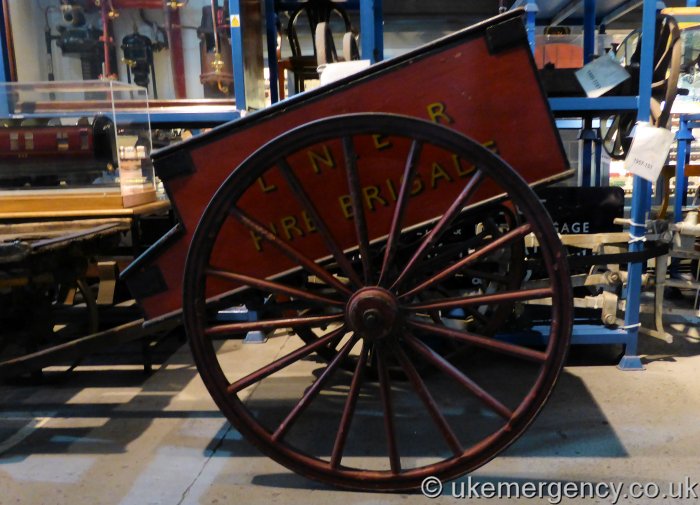
London & North Eastern Railway Fire Hose Cart from New Holland Station
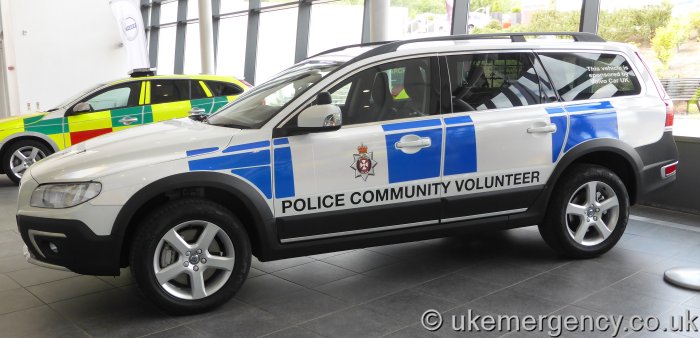
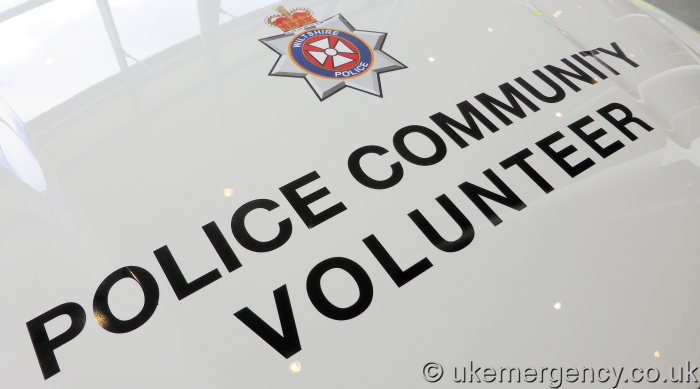
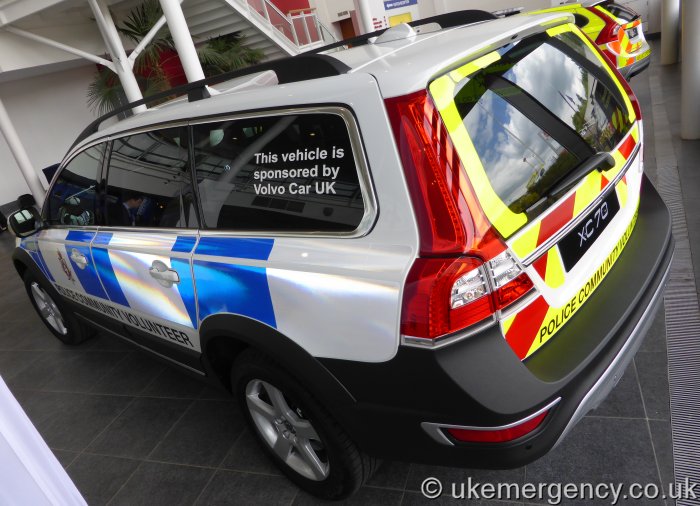
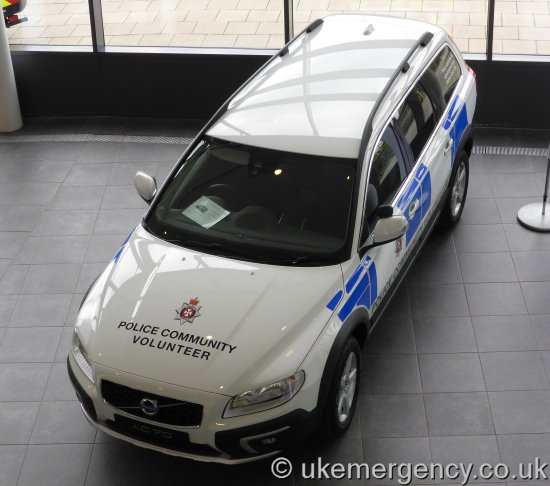
Wiltshire Police Volvo XC70 D5 AWD Police Community Volunteer car. This 215 horsepower manual car is used by the Rural Crime Volunteer Unit to patrol rural areas. It was loaned by Volvo to the team for 18 months from June 2015. It also is being used for the Community Speed Watch scheme.
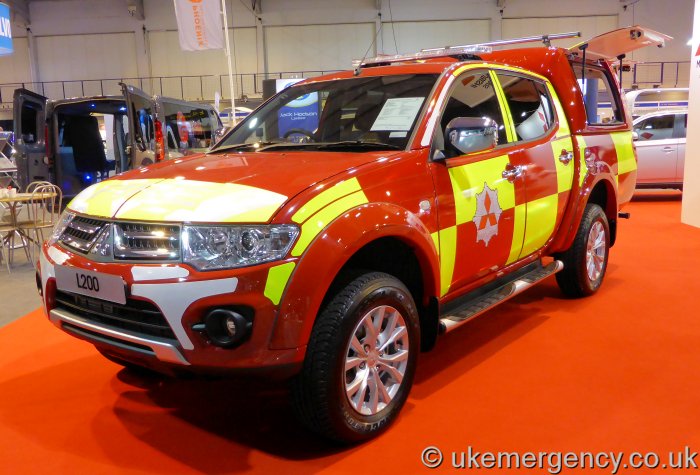
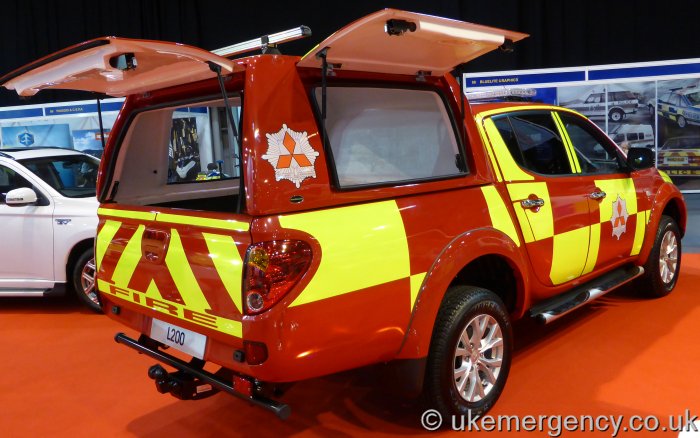
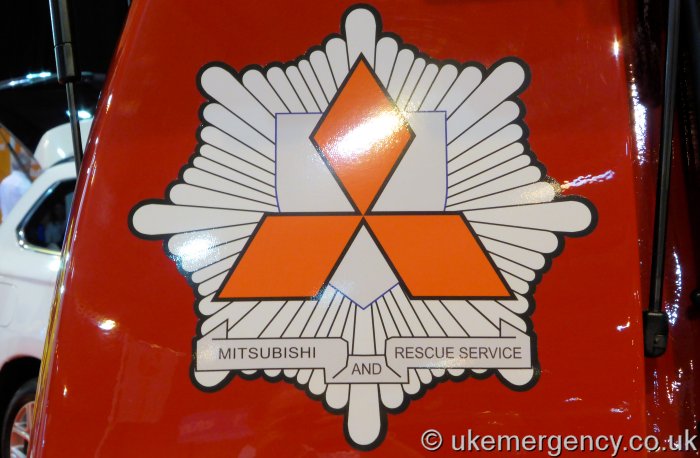
Mitsubishi L200 demo fire vehicle. It is carrying the logo of Mitsubishi and Rescue Service – which seems to be missing the word ‘fire’!
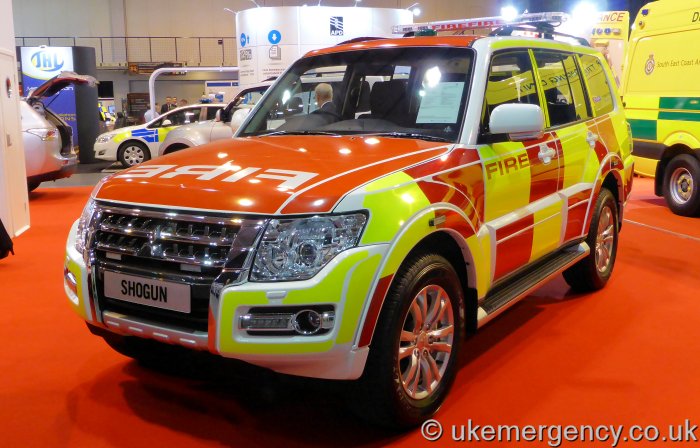
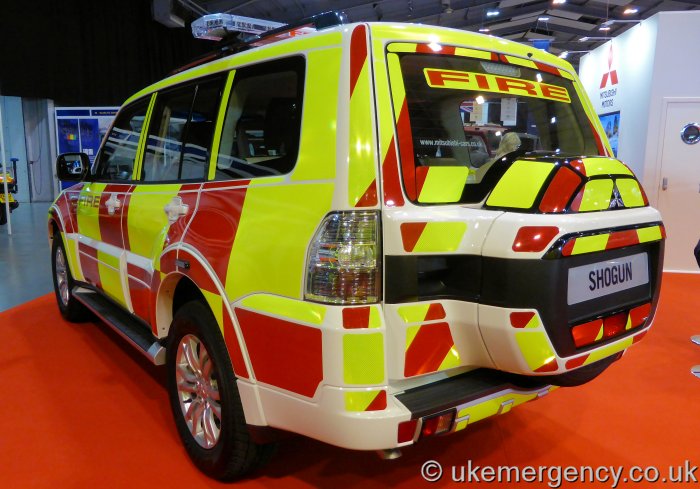
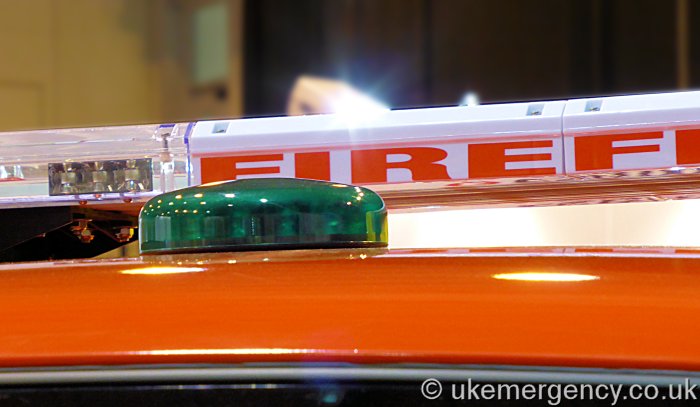
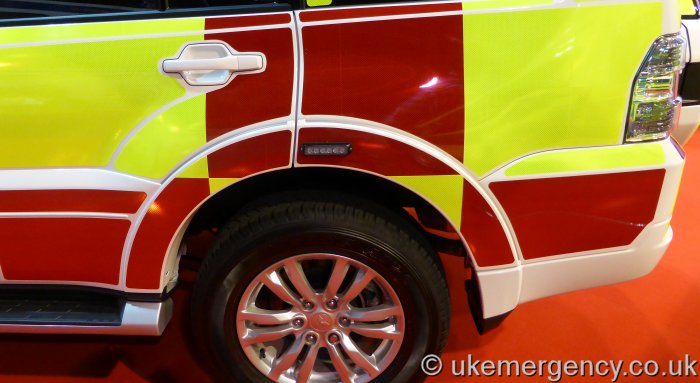
Mitsubishi Shogun demo car. Also showing the detail of the green flashing light on the roof and the blue flashing lights on the rear wing.
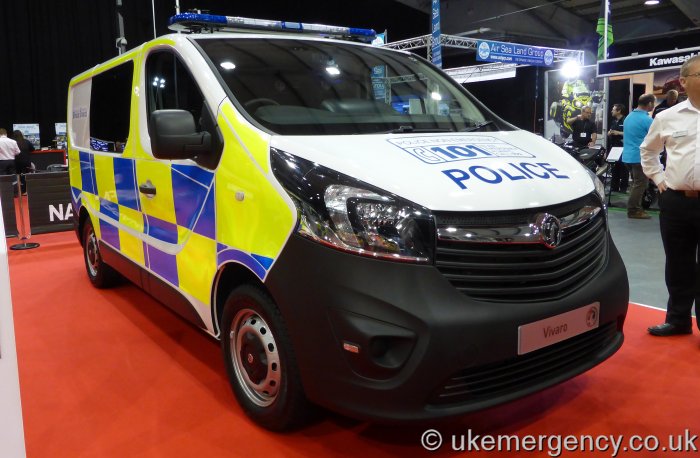
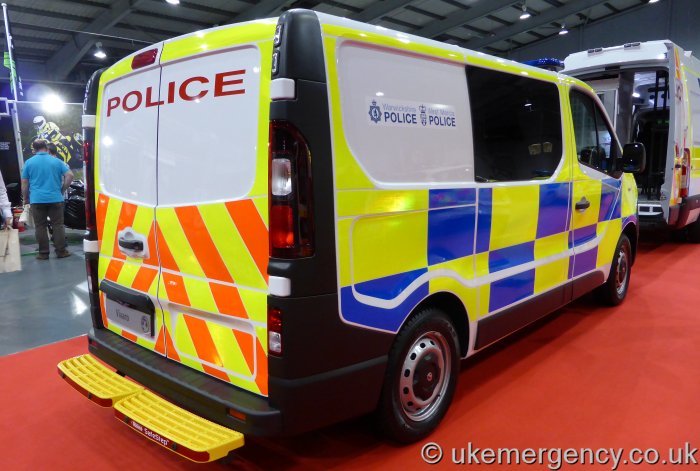
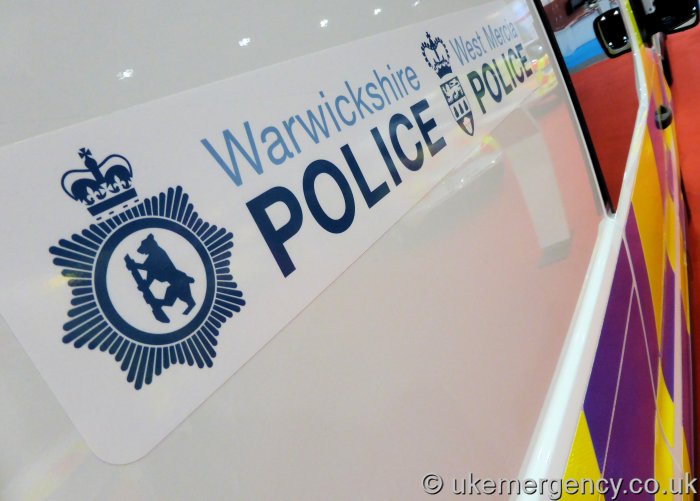
Warwickshire Police and West Mercia Police Vauxhall Vivaro which is part of the strategic alliance between the two neighbouring police forces
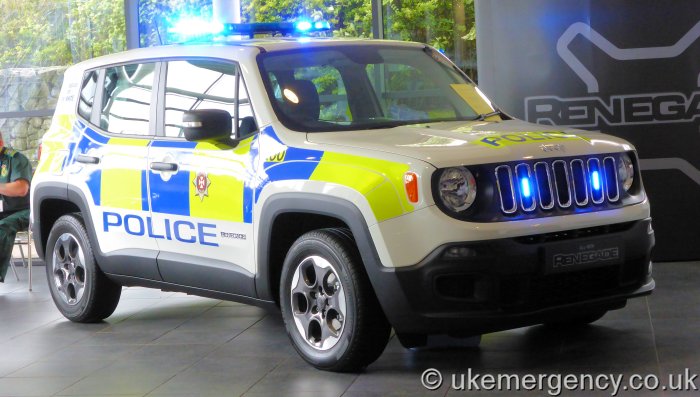
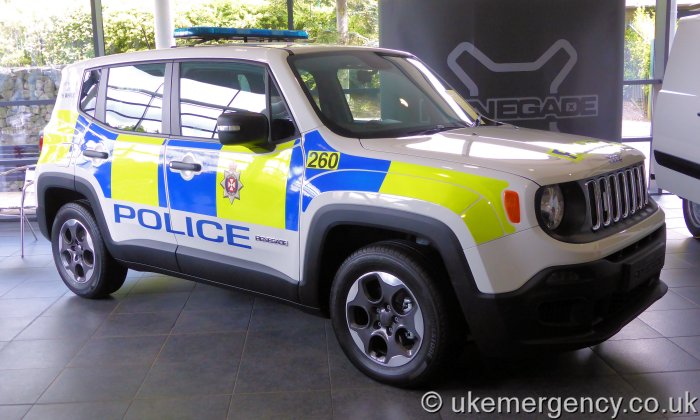
Wiltshire Police Jeep Renegade which was launched in 2015 and is described as a small 4×4 sports utility vehicle
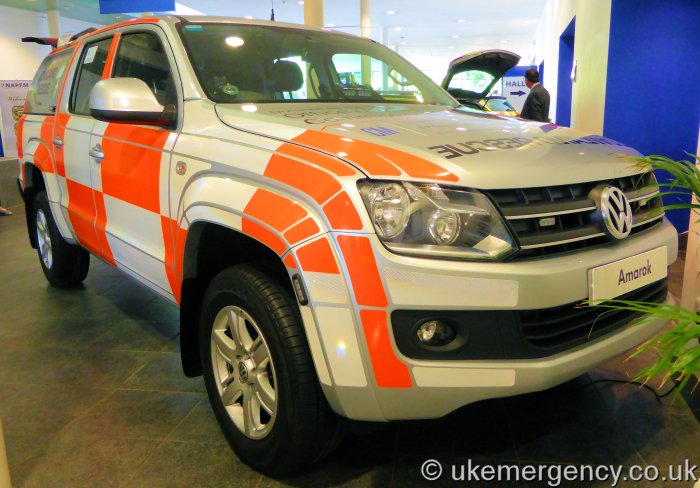
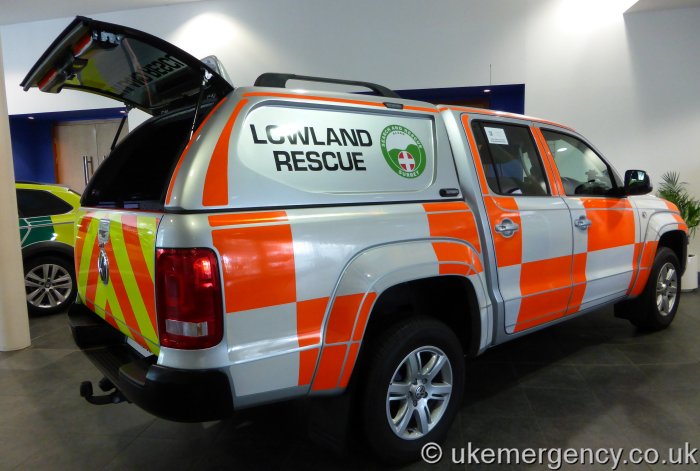
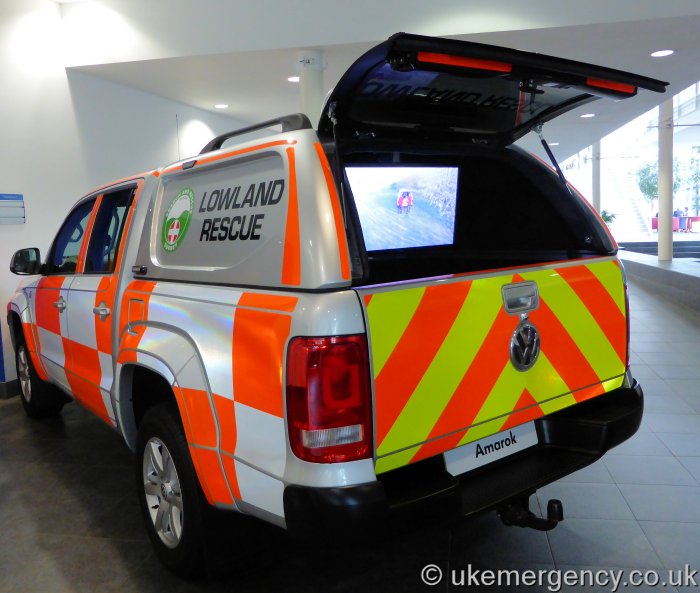
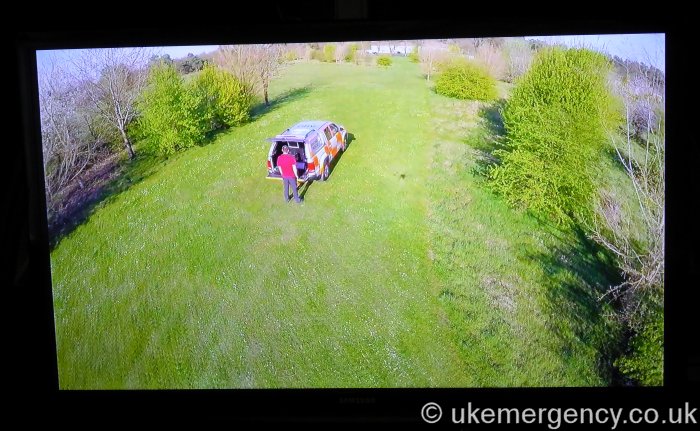
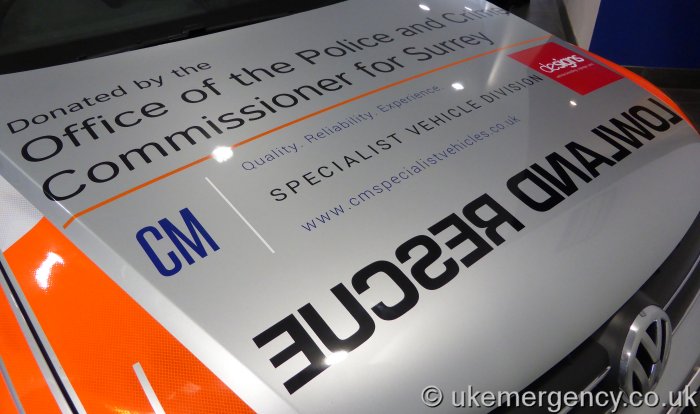
SG15 AED Surrey SAR VW Amarok Lowland Rescue vehicle. This 2015 4×4 replaces their old Land Rover Defender. The car is suited to travelling across the county on normal roads but also has good off road capability where required. A fold-down screen in the Truckman rear allows briefing to be given or other information to be displayed – such as the view from a drone (shown). The total cost for the vehicle was £32,500 and was met by the county’s Police and Crime Commissioner.
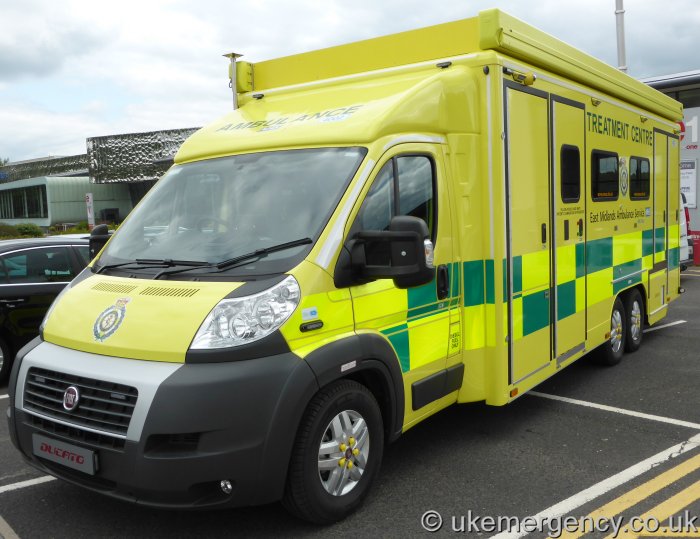
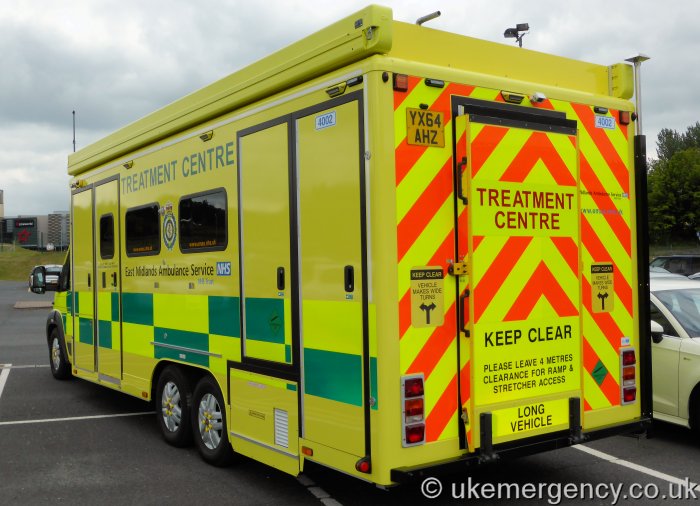
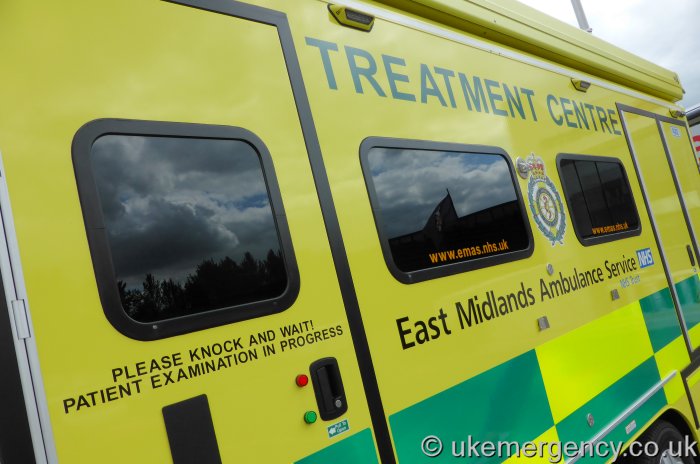
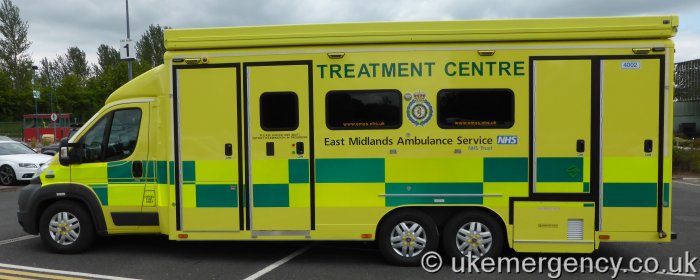
YX64 AHZ East Midlands Ambulance Service Fiat Ducato mobile treatment centre
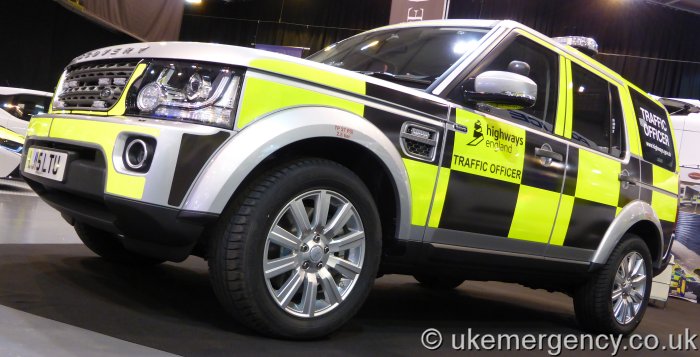
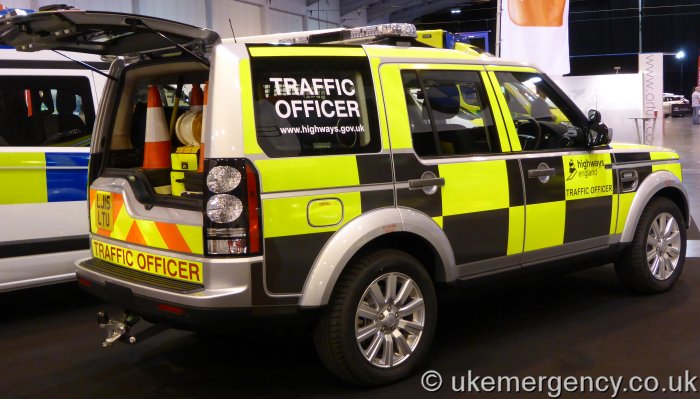
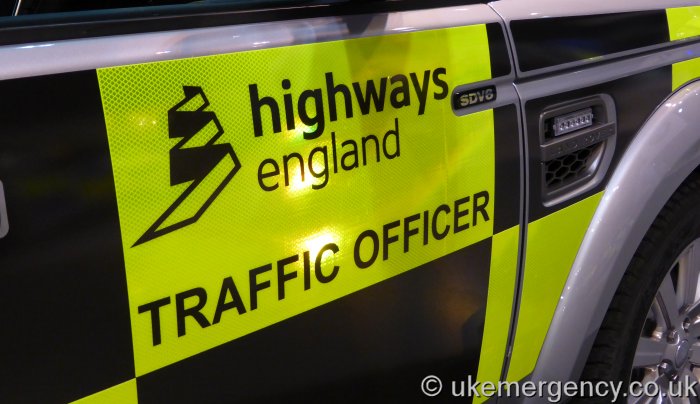
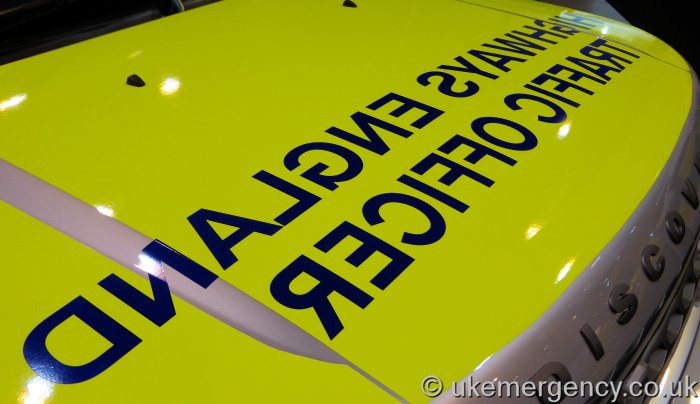
LJ15 LTU Highways England Land Rover Discovery One of the first vehicles to carry the Highways England branding following the demise of the Highways Agency
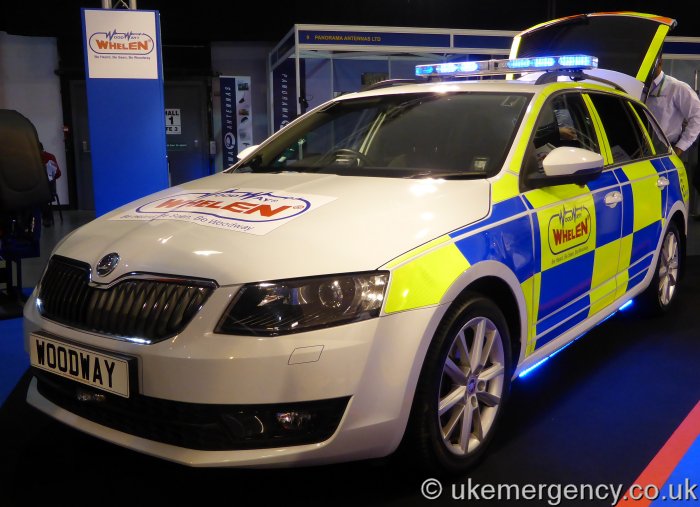
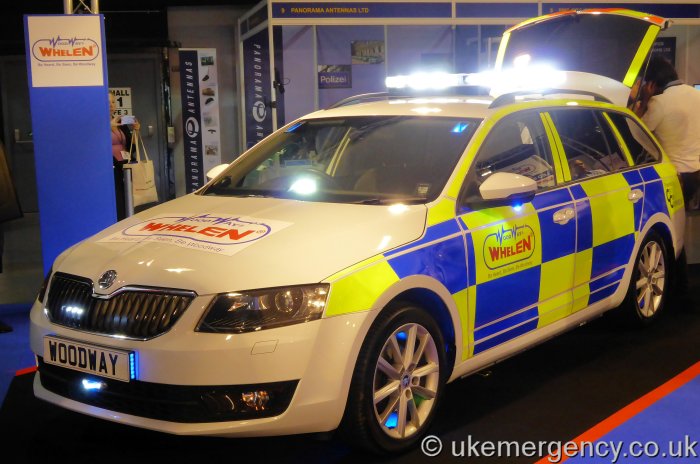
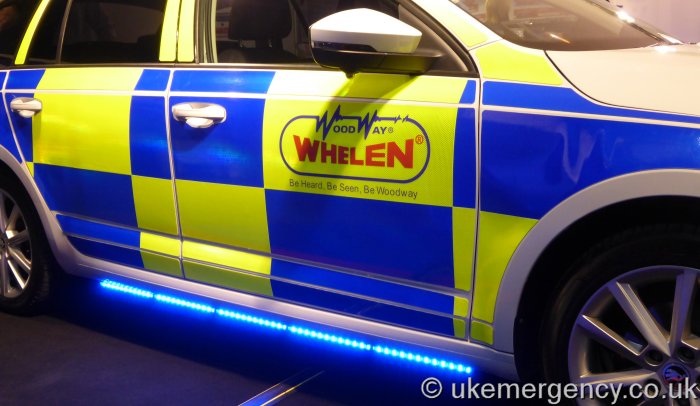
Woodway Whelen Skoda Superb demonstration car. All of the flashing lights on the car can be set to blue, white or amber, including the strip of LEDs on the door sills
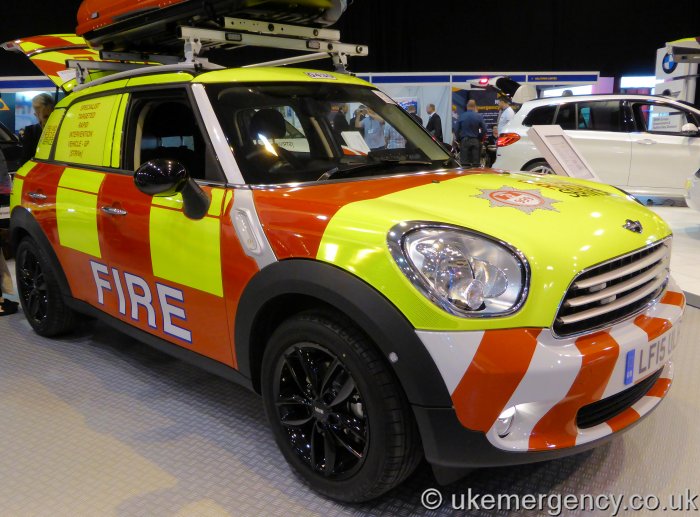
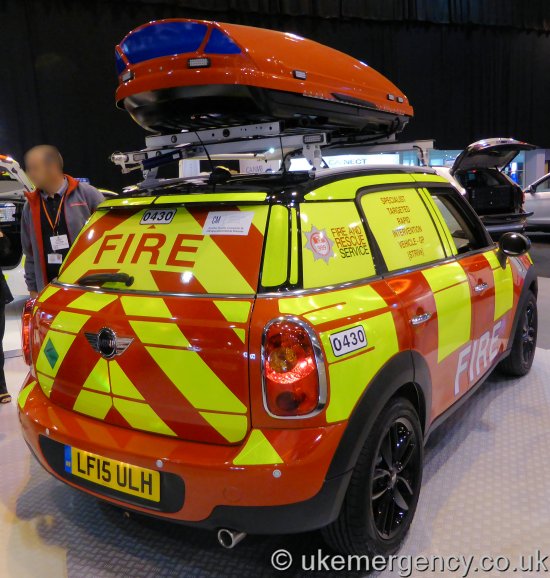
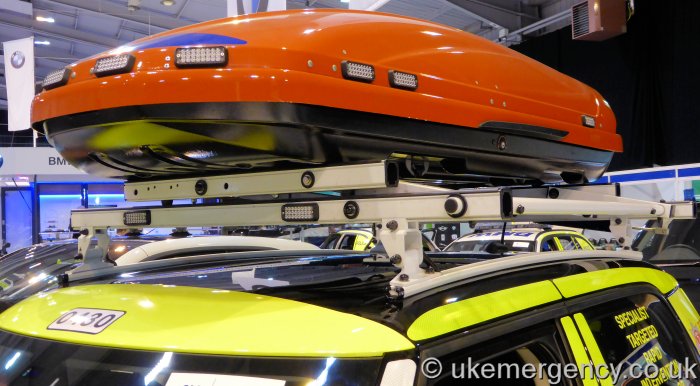
LF15 ULH A Mini Specialist targeted rapid intervention vehicle [STRIVe] general purpose fire car. It carries basic firefighting equipment in the rear and where the rear seats would normally be
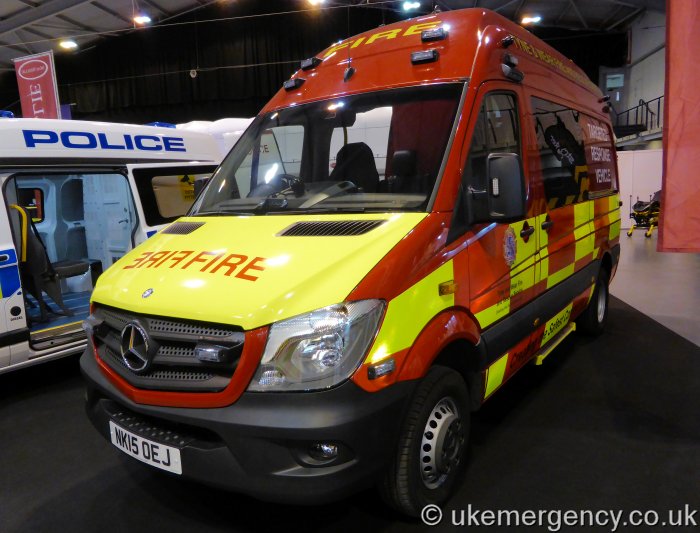
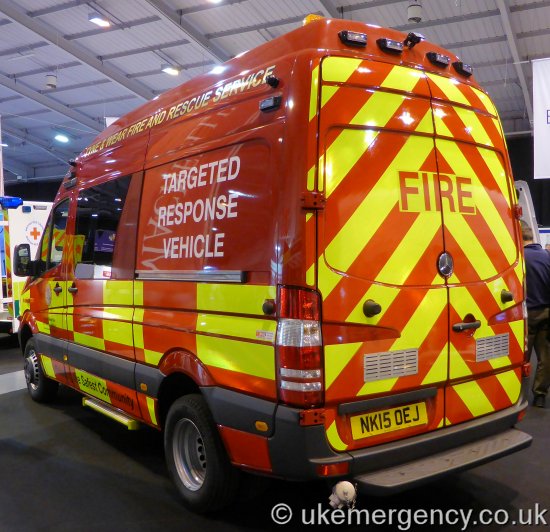
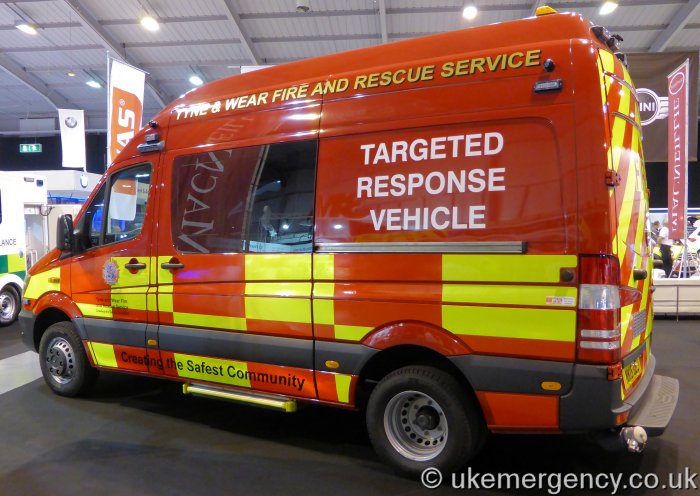
NK15 OEJ Tyne and Wear Fire and Rescue Service Mercedes Benz Sprinter Targeted Response Vehicle. This unit responds to low risk fires such as rubbish on fire away from any buildings. Two such vehicle were introduced in May 2015 with two more to follow and a further one for training only. The first two were assigned to Washington and Newcastle but cover the whole county. They operate from 6pm to midnight and are crewed by just two firefighters. A Rosenbauer UHPS XL Pump and the 600 litre water tank are housed in the rear along with BA kit and other firefighting equipment
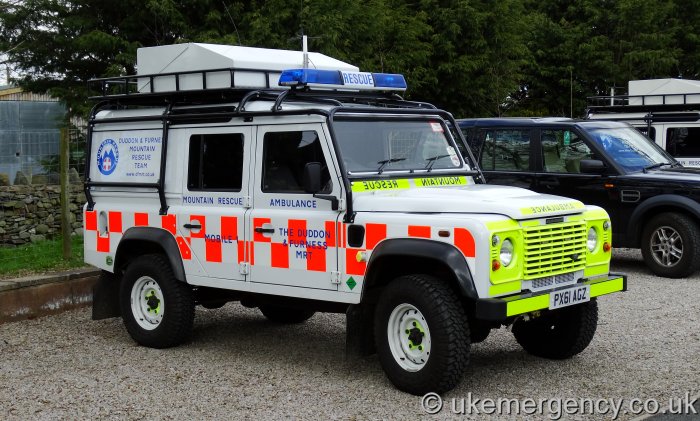
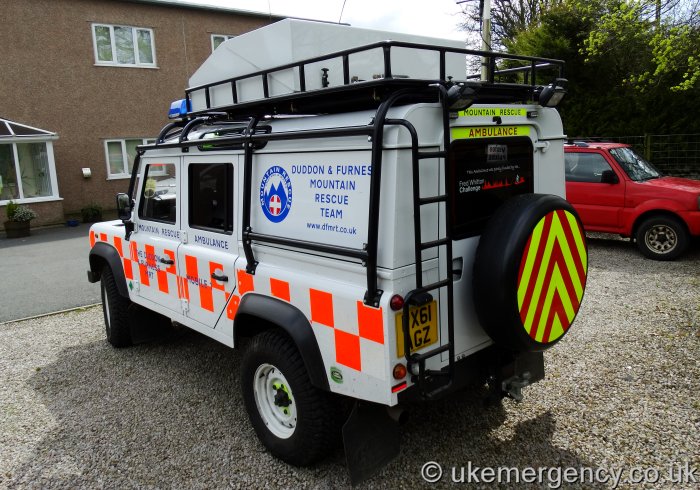
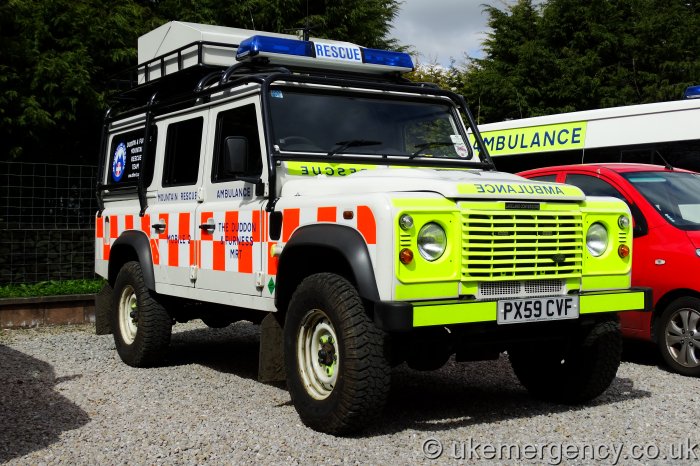
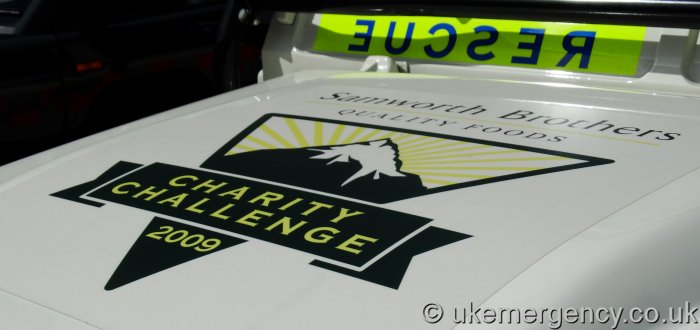
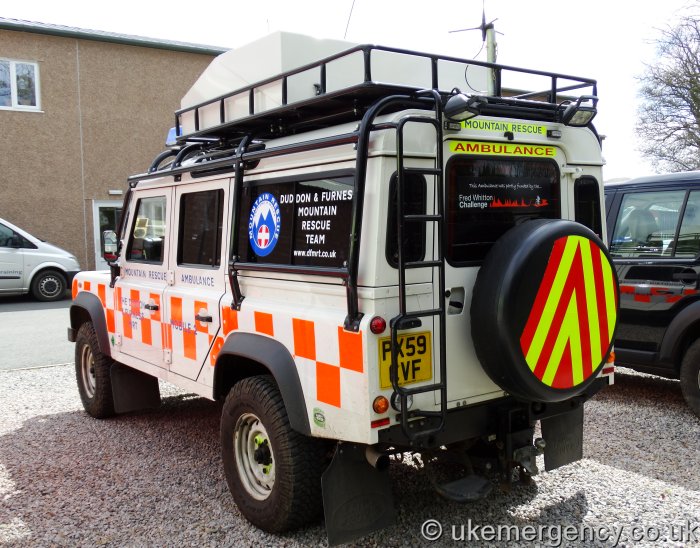
PX61 AGZ PX59 CVF Duddon and Furness Mountain Rescue Team Land Rover Defenders
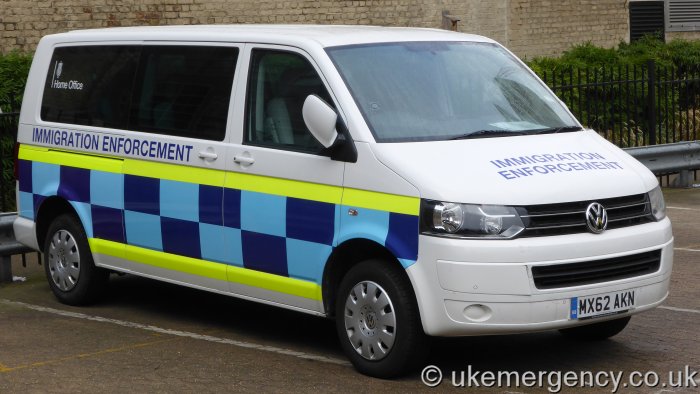
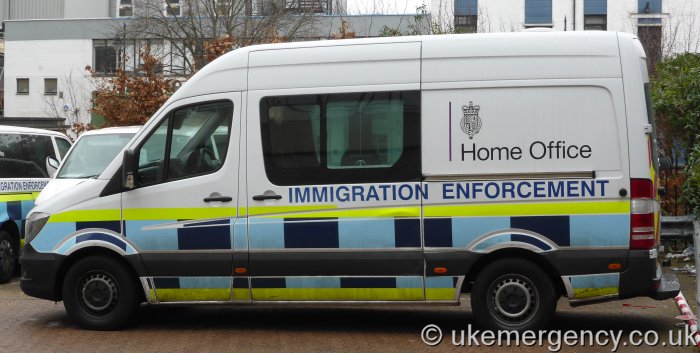
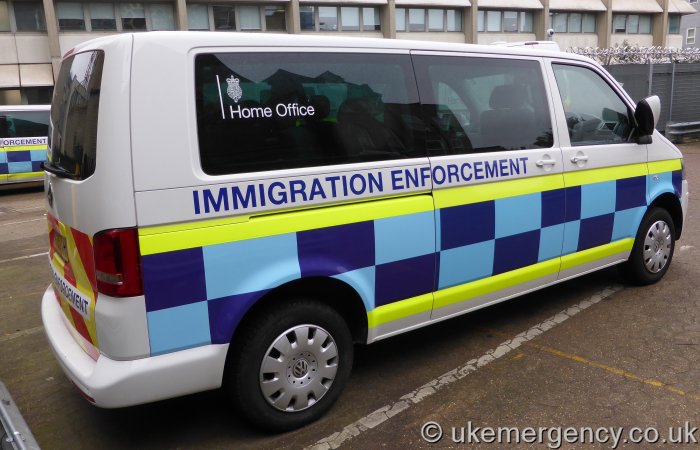
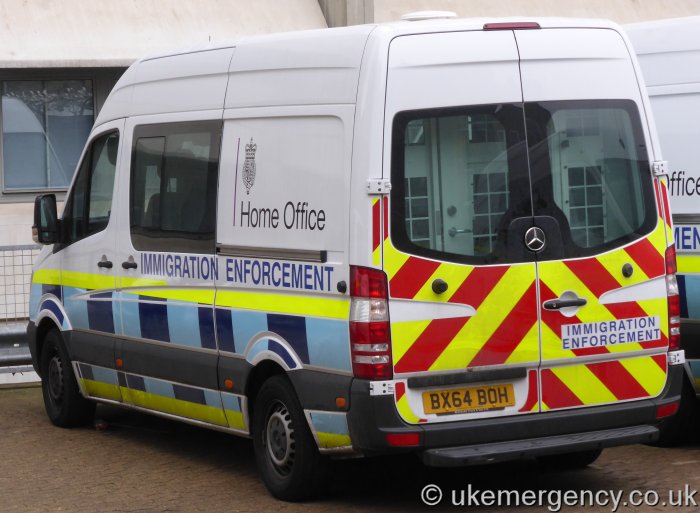
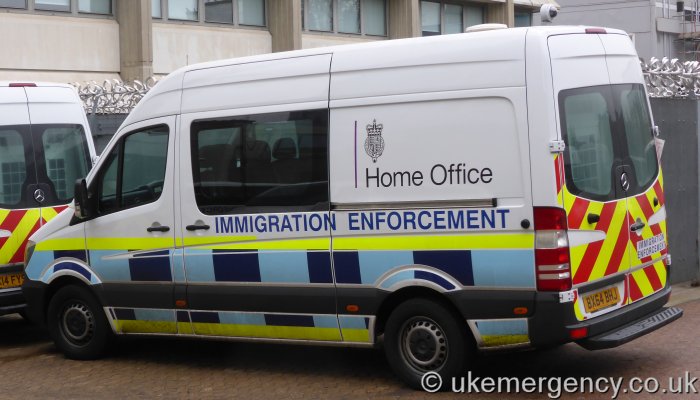
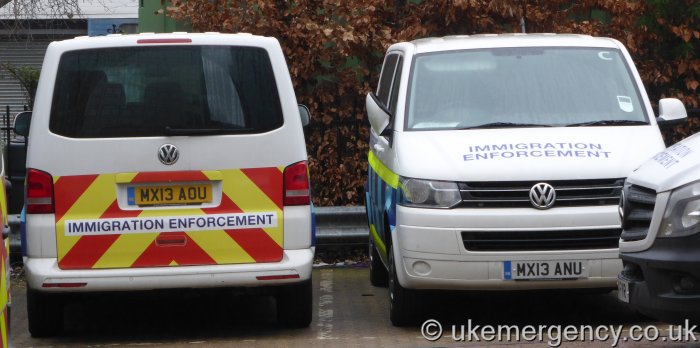
Home Office Immigration Enforcement VW Transporters and Mercedes Sprinters. The Immigration Enforcement vehicles are marked up in light blue and dark blue battenburgs and carry prominent Home Office branding. They do not have any audible or visual emergency warning devices fitted.
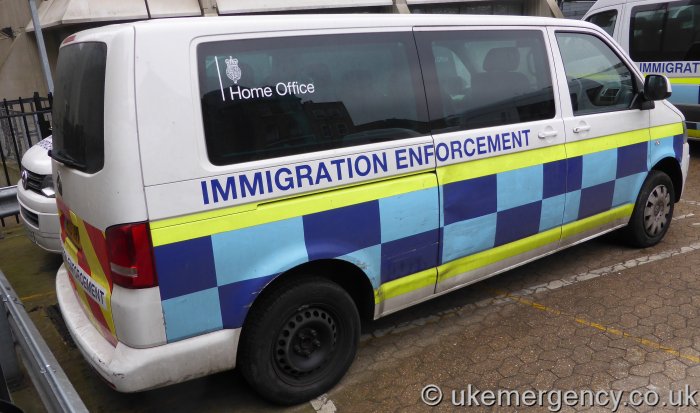
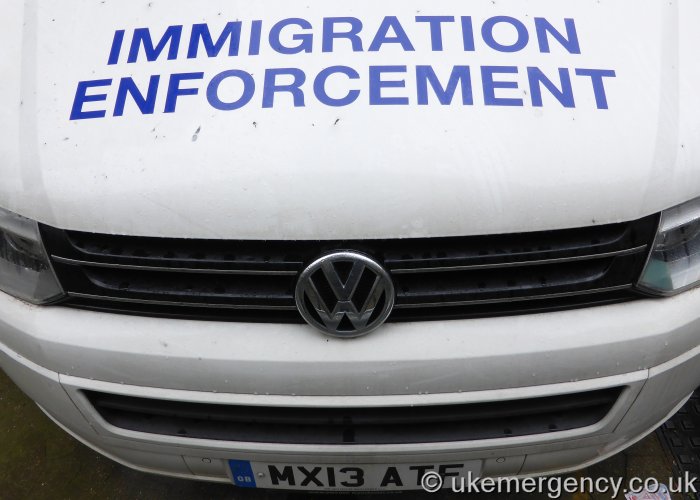
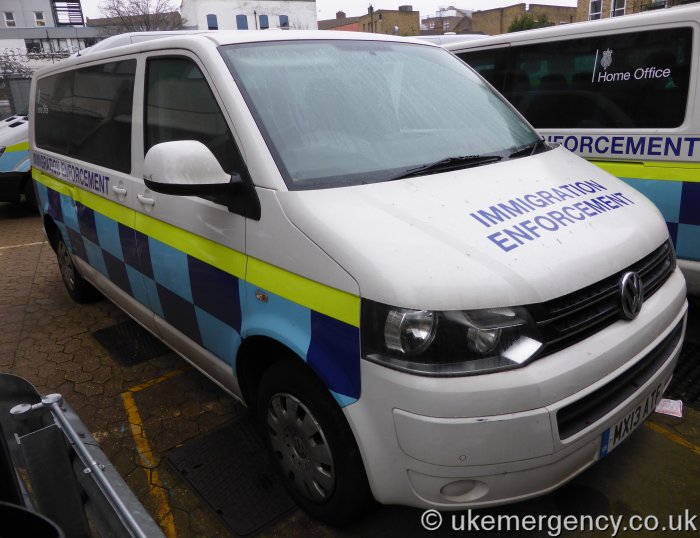
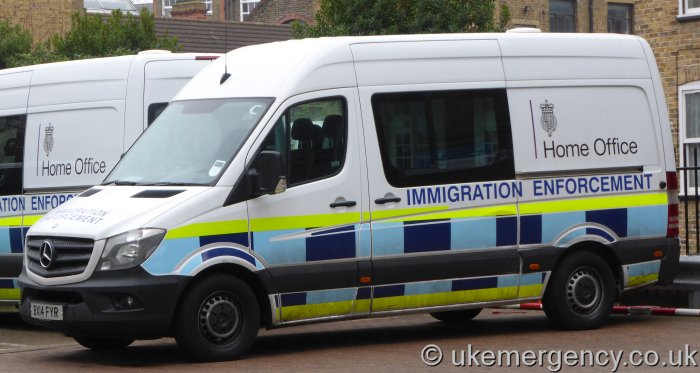
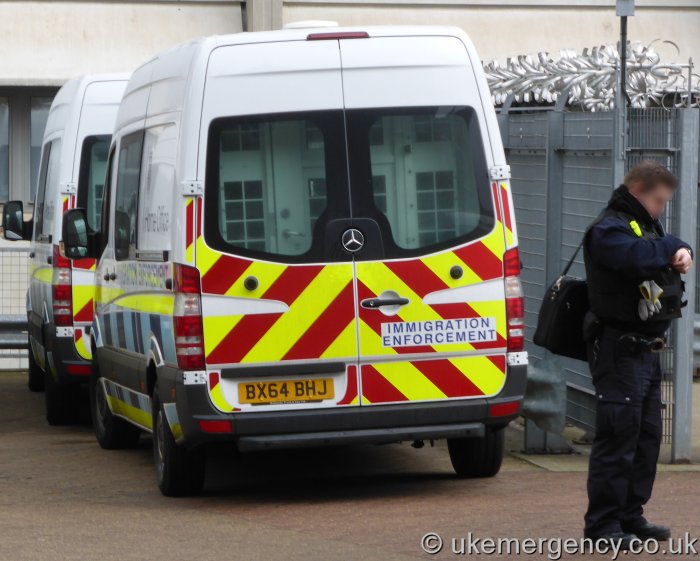
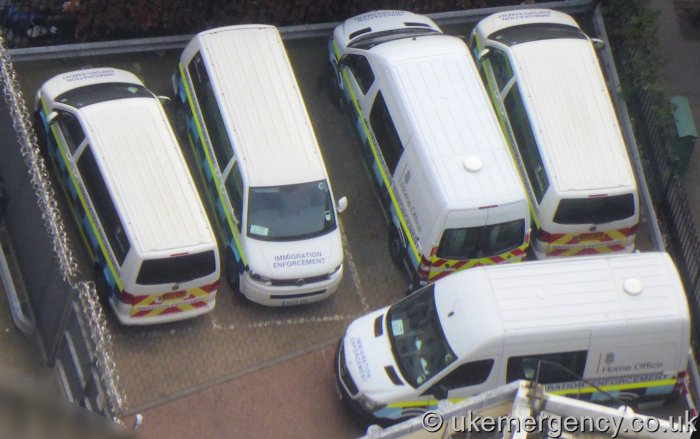
The most common use for the vehicles is to take enforcement officers to pre-planned operations where they raid premises suspected of harbouring people who should not be in the country. This could be a restaurant or factory for example.
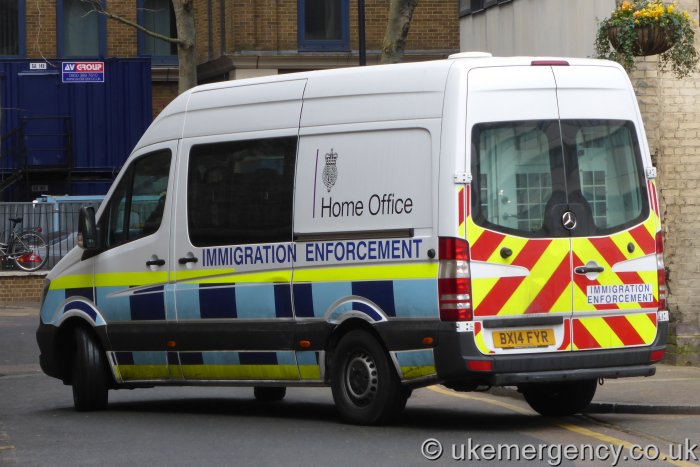
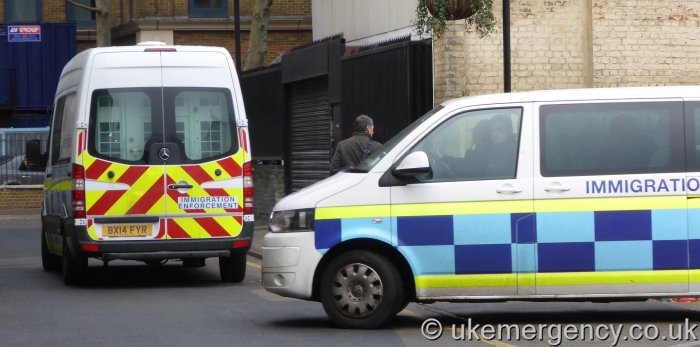
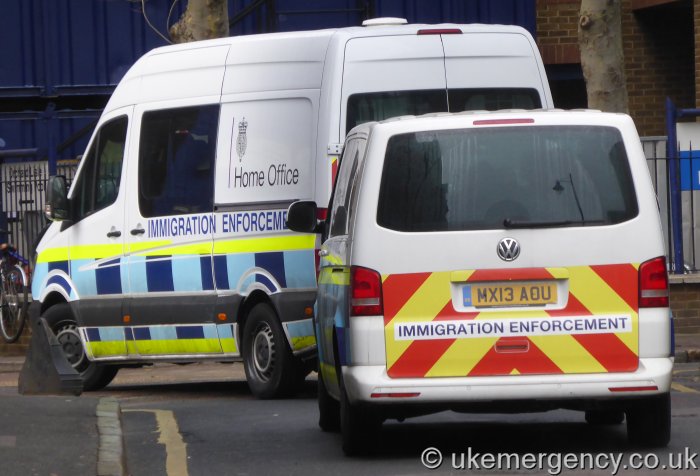
The registrations of the vehicles are: BX14 FYR, BX14 FYS, BX64 BCK, BX64 BHJ, BX64 BOH, MX13 ANU, MX13 AOU, MX13 AOU, MX13 APY, MX13 ATF, MX62 AKN
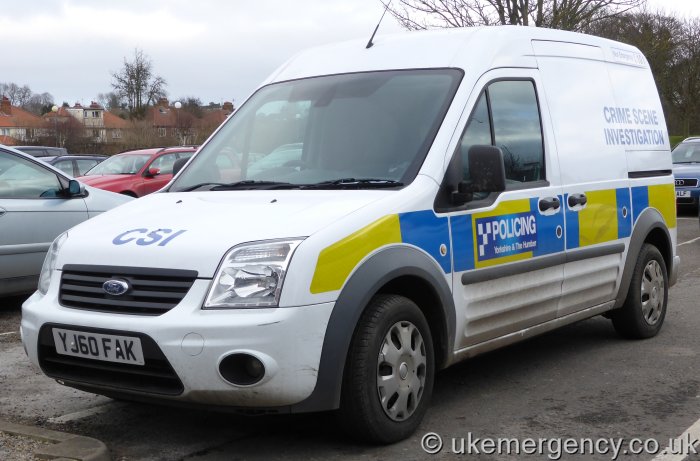
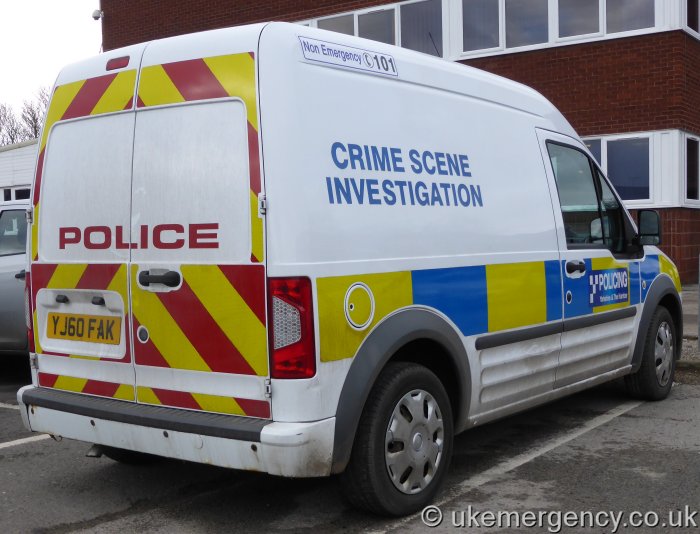
YJ60 FAK North Yorkshire Police Ford Transit Connect Crime Scene Investigation (CSI) van
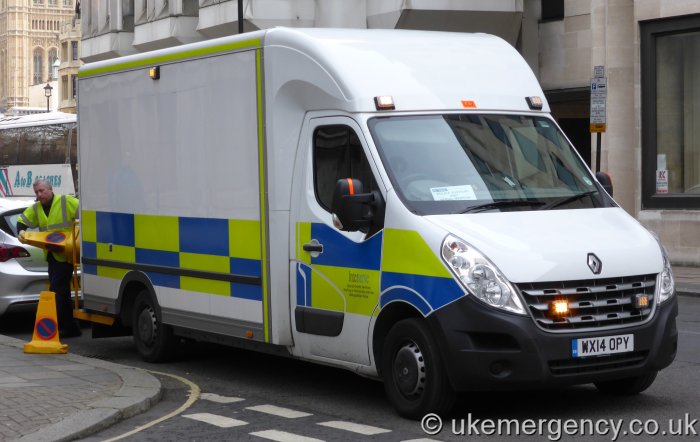
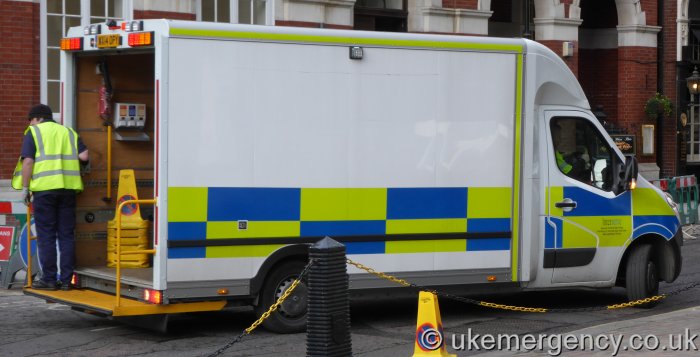
WX14 OPY Metropolitan Police Service Renault Master operated by Interserve to lay out and take in cones.
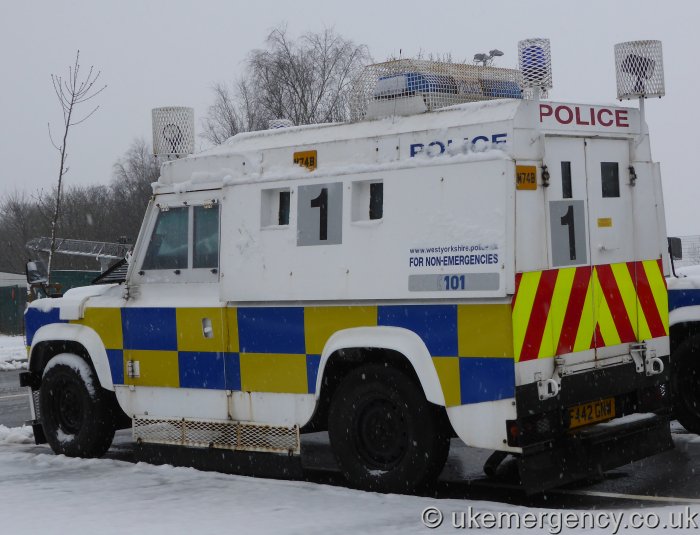
West Yorkshire Police
Land Rover 110
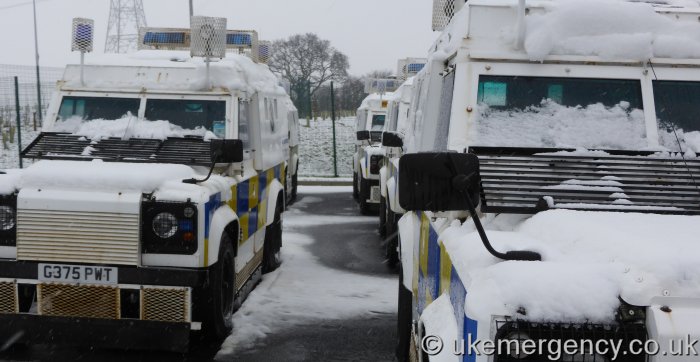
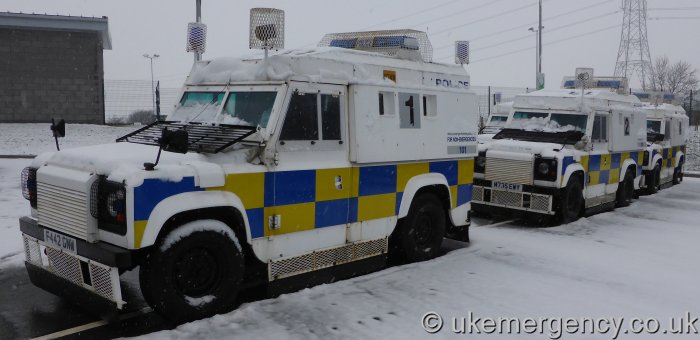
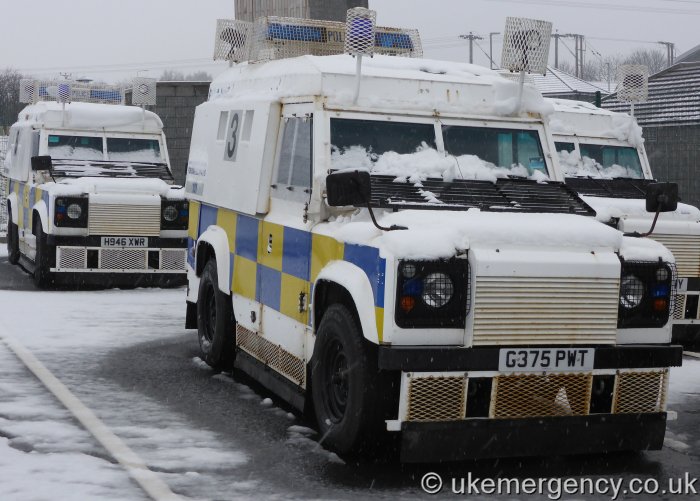
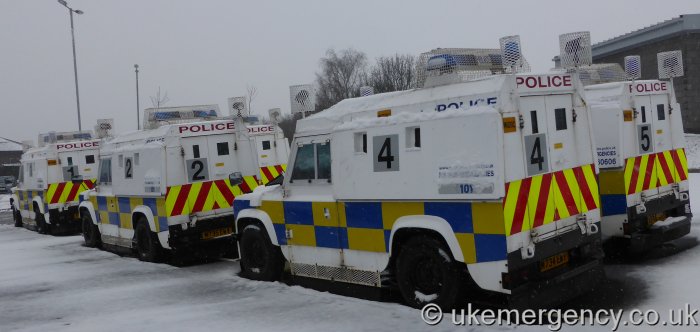
Riot vans, covered in heavy January snow. The vehicle numbers and registration plates are:
[1] F442 GNW,
[2] M735 EWY,
[3] G375 PWT,
[4] M734 EWY,
[5] H946 XWR,
[6] H946 XWR
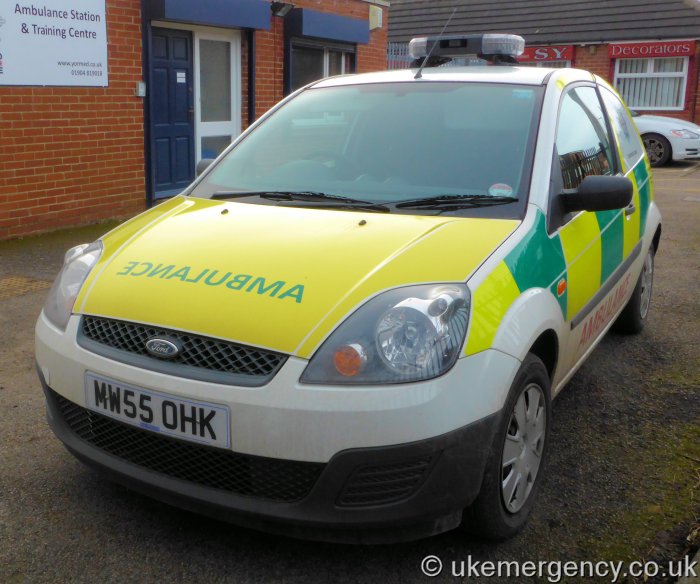
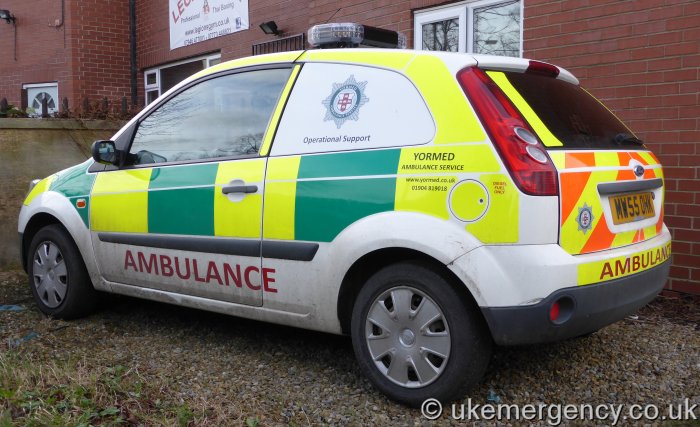
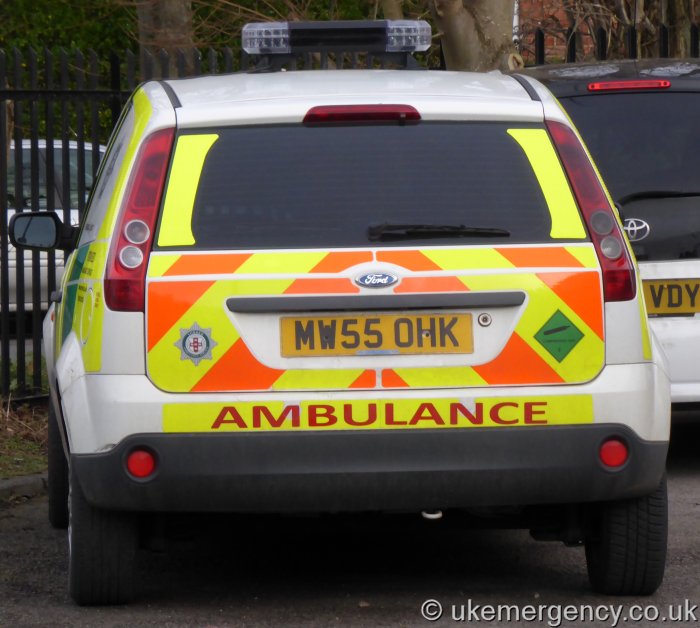
MW55 OHK Yormed Ambulance Service Ford Fiesta
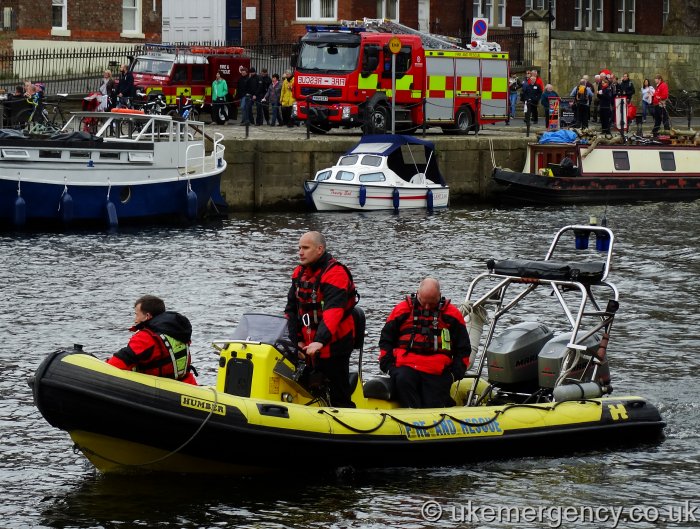
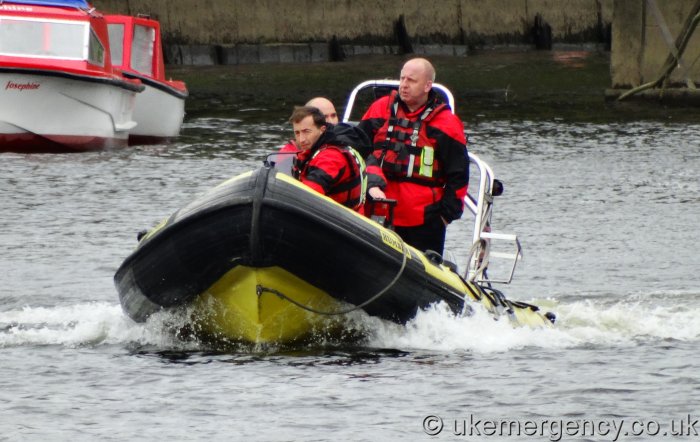
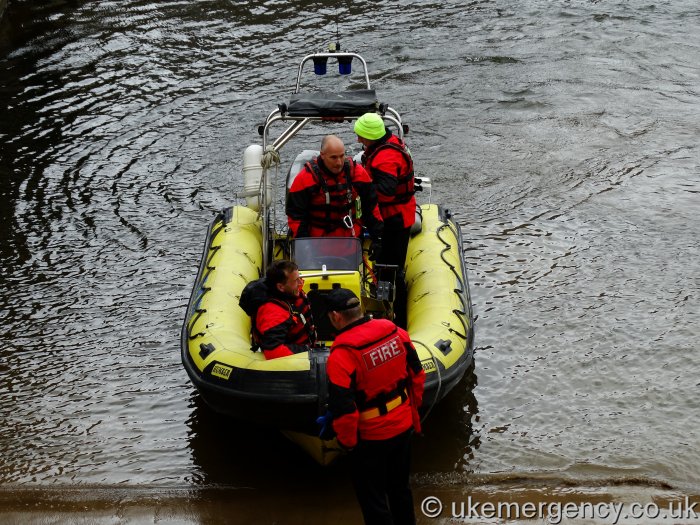
North Yorkshire Fire and Rescue Service’s Humber rib in action
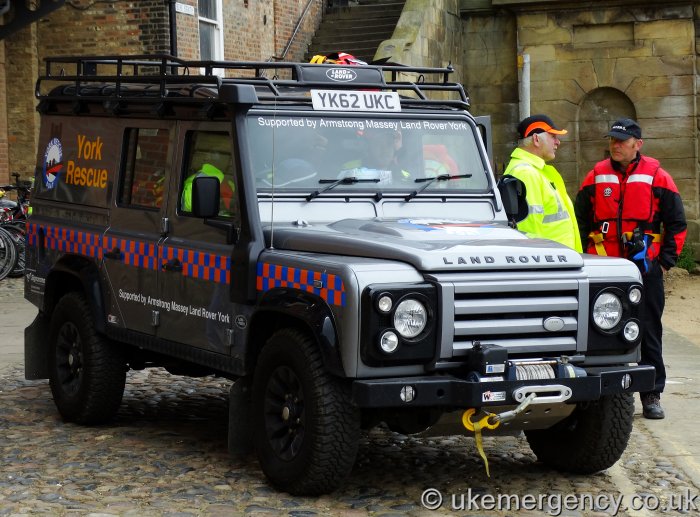
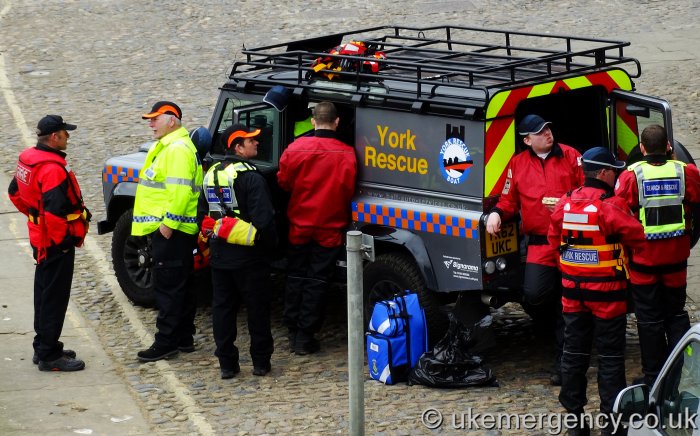
YK62 UKC York Rescue Boat Land Rover Defender in operation
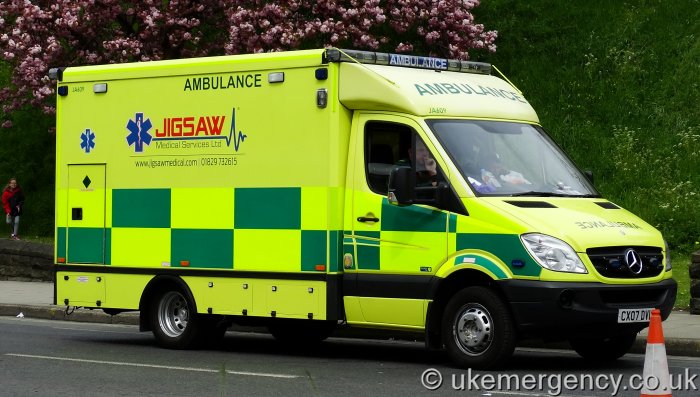
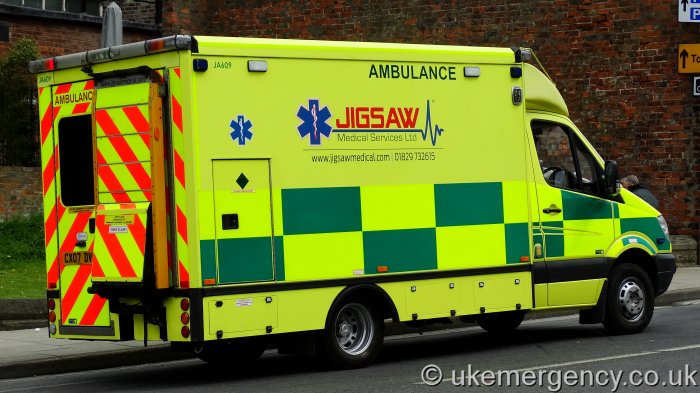
CX07 DVL Jigsaw Medical Services Ltd Mercedes Sprinter
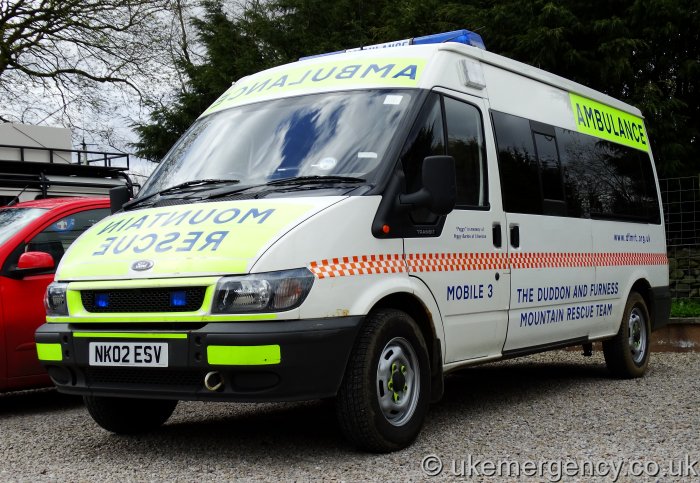
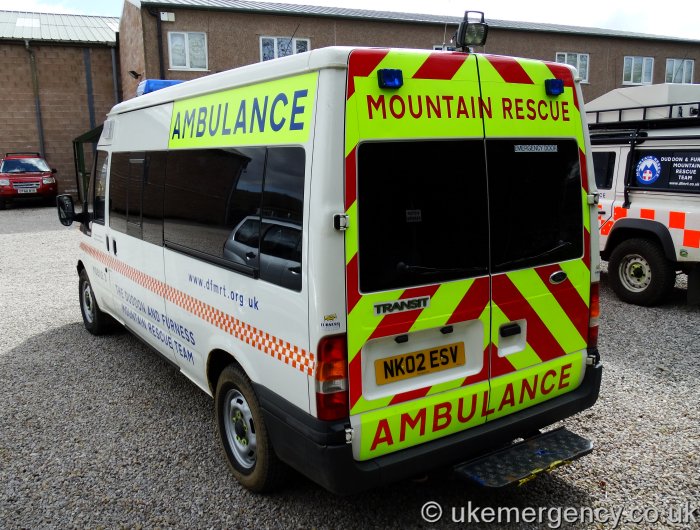
NK02 ESV Duddon and Furness Mountain Rescue Team Ford Transit minibus ambulance
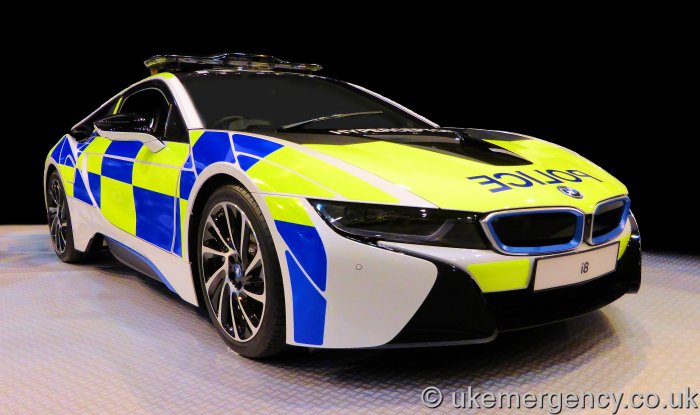
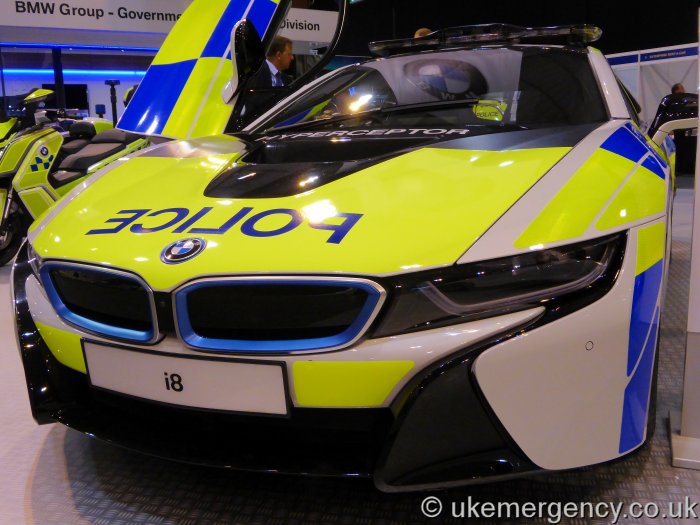
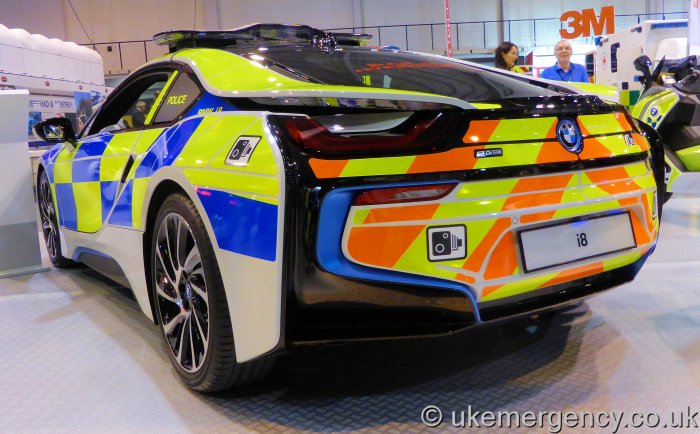
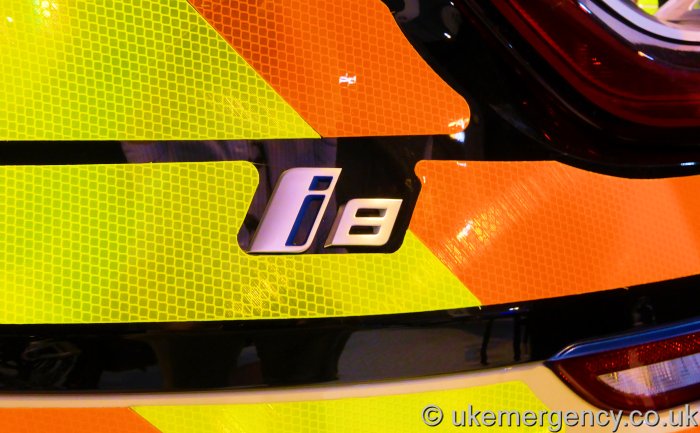
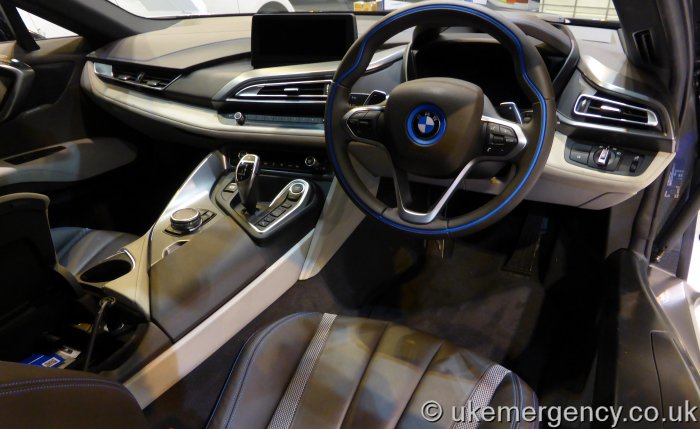
A Police BMW i8 promotional vehicle, complete with gullwing doors.
The petrol/electric hybrid car has mouthwatering performance. The power output is 231 bhp plus 96 Kw giving a total of 357 bhp, and a massive 570 Nm of torque. A 0-60 mph acceleration time of 4.4 seconds is the result. The automatic gearbox keeps the car accelerating up to its 155 mph limit. The fuel efficiency is distorted by the hybrid system, but the official figures are 135 miles per gallon and 49 g/km of CO2.
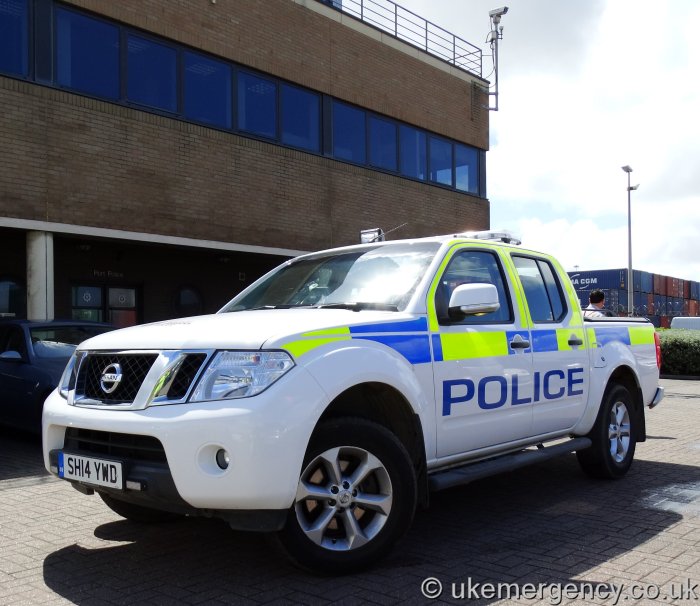
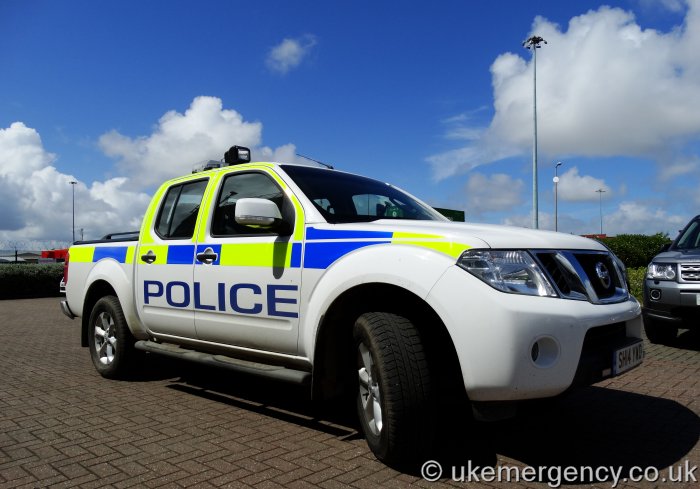
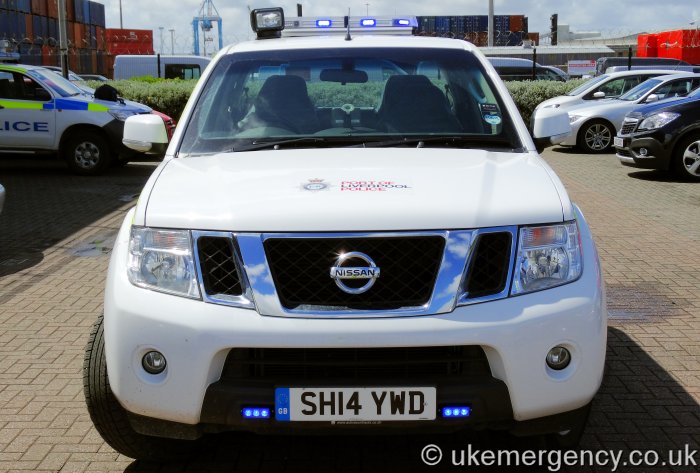
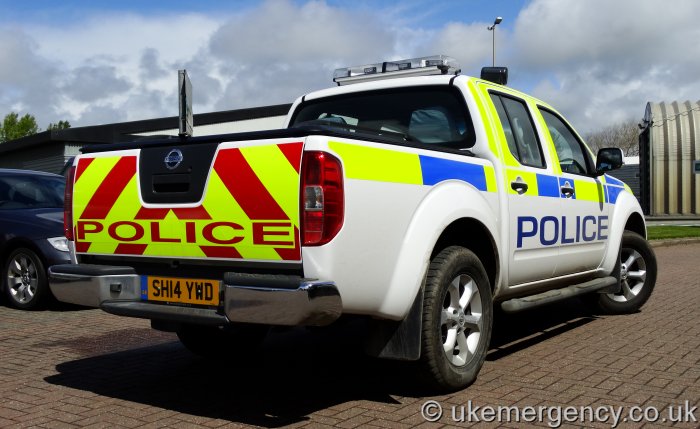
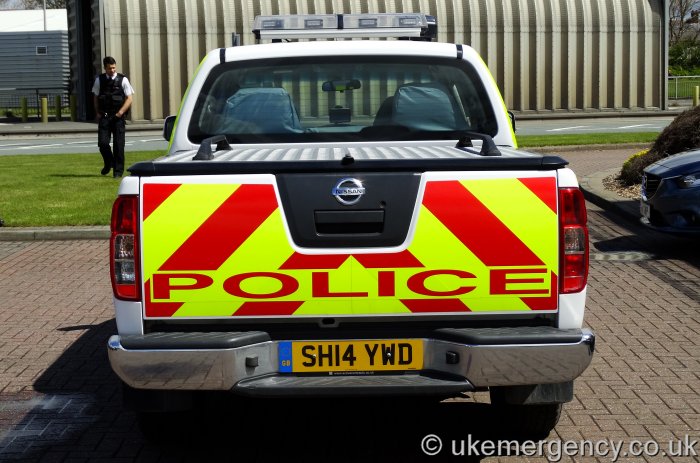
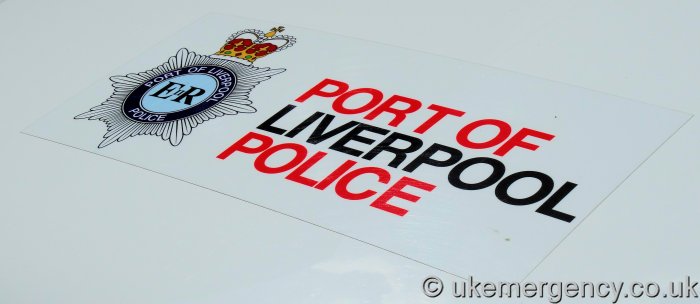
SH14 YWD Port of Liverpool Police Nissan Navara pick-up. The force were happy with the vehicle after using it during 2014 and are in the process of bringing in another example, which will probably a 15 reg. The new vehicle will be the fourth operational marked vehicle.
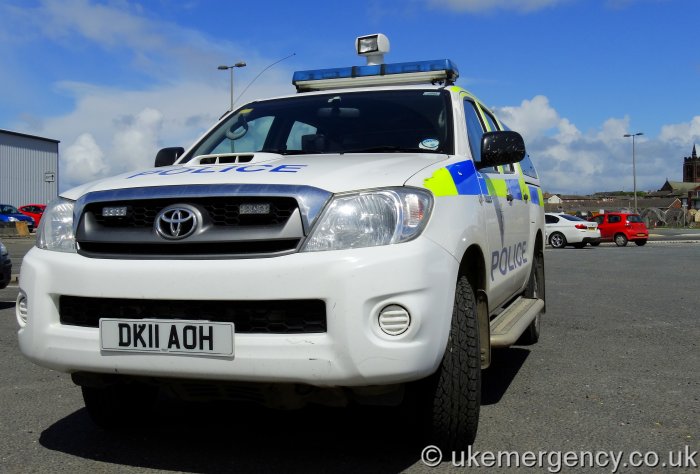
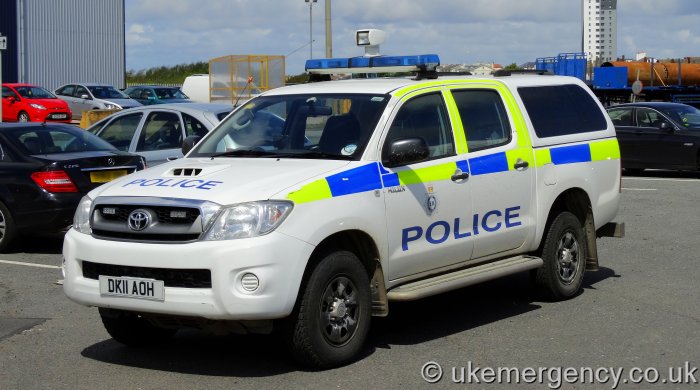
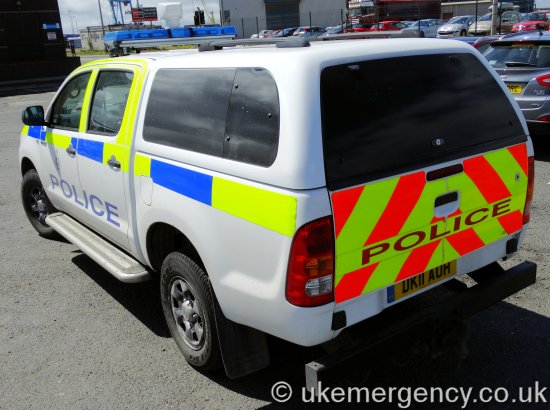
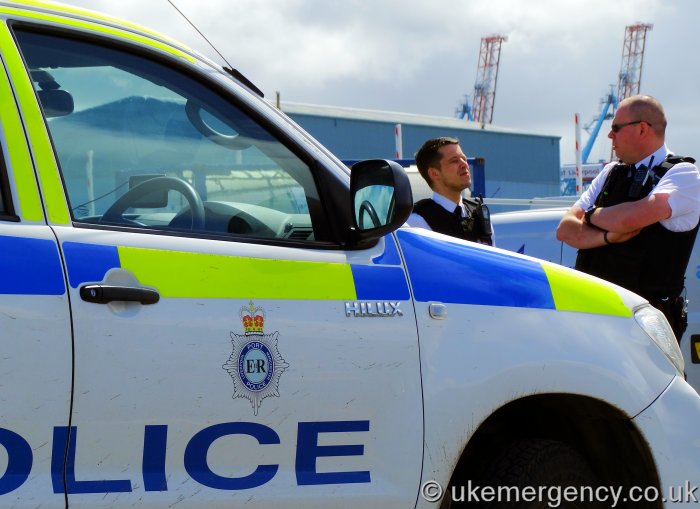
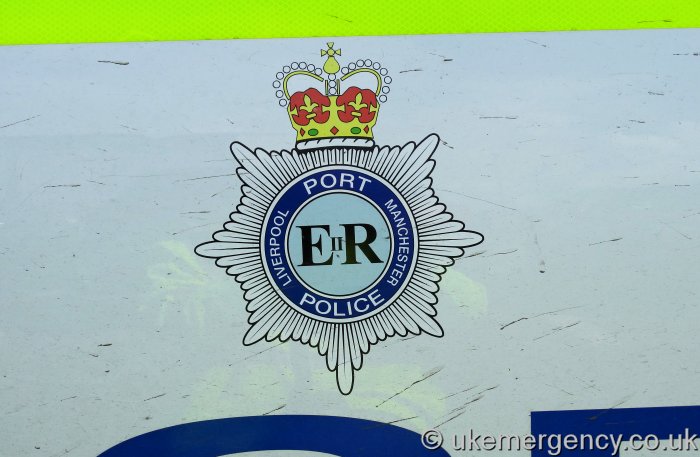
DK11 AOH Port of Liverpool Police Toyota Hilux. This is one of a pair of such vehicles, the other being a 12-plate.
Notice that the crest on the door includes the word Manchester. This reflects the fact that the POLP also patrol the Manchester Ship Canal than connects Manchester and Liverpool. Until 1993 this was patrolled by the Manchester Ship Canal Police.
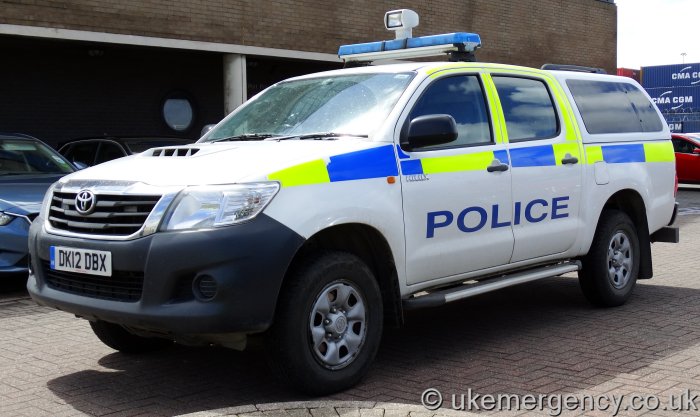
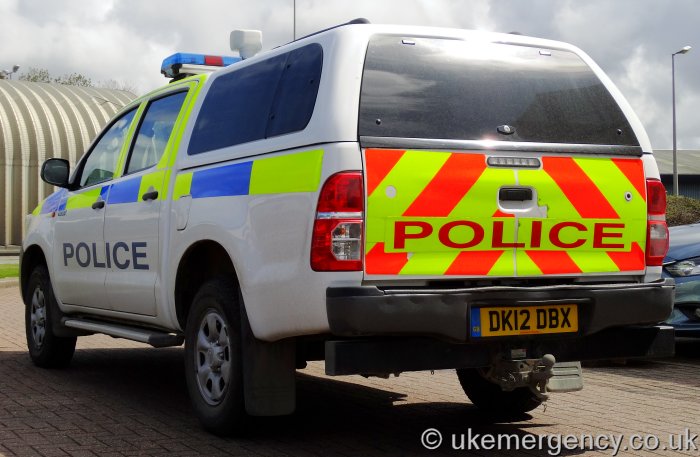
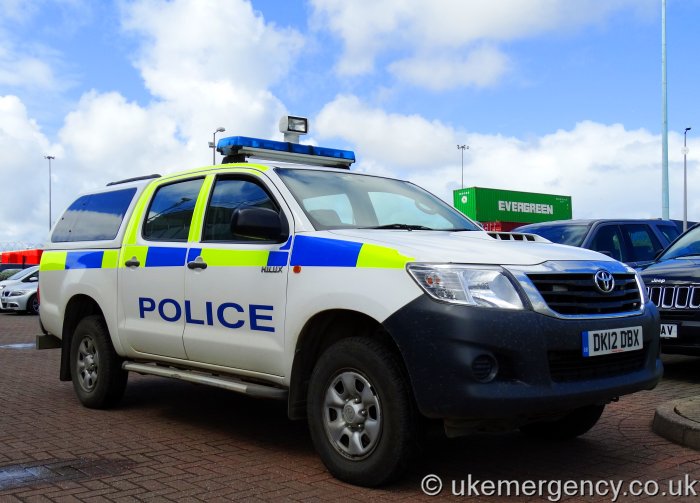
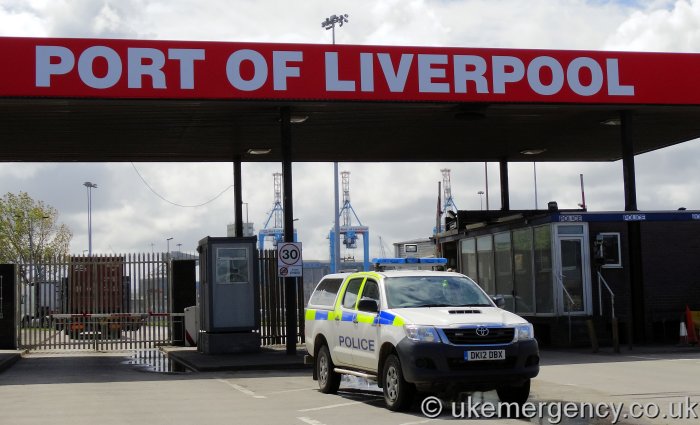
DK12 DBX Port of Liverpool Police Toyota Hilux. The 25-strong specialist force looks after the high-risk Port of Liverpool.
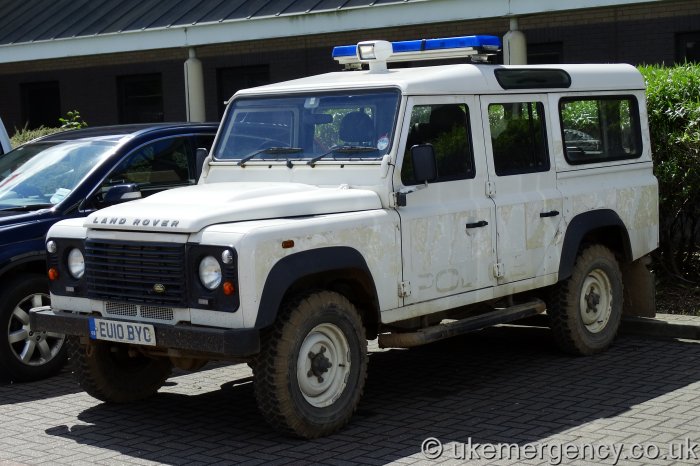
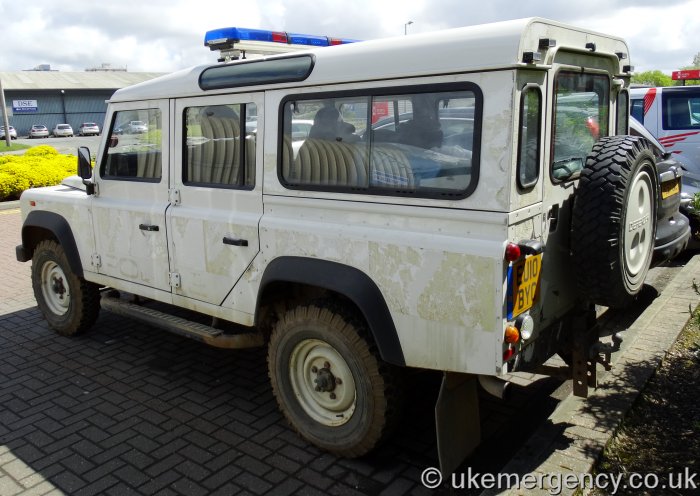
EU10 BYC ex-Port of Liverpool Police Land Rover Defender. This vehicle was in service from 2010 to Autumn 2013 and carried normal battenburg markings. Unfortunately due to repeated technical problems with it, it was retired early.
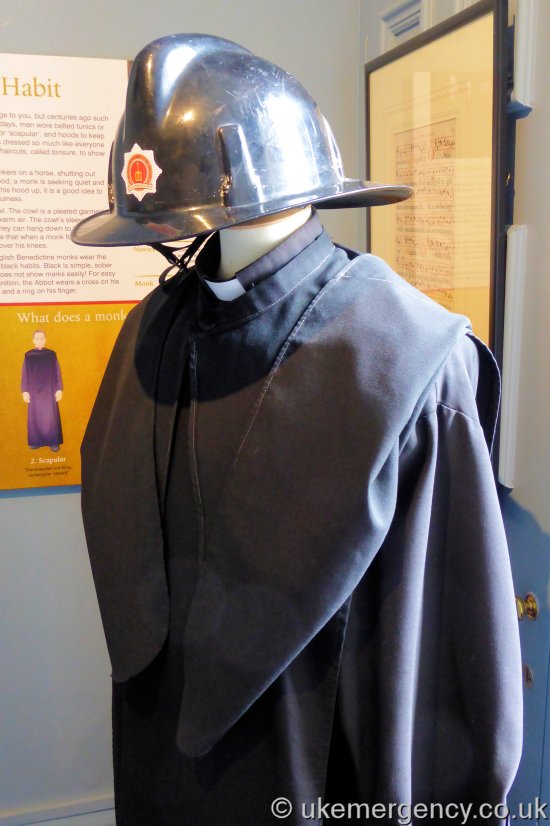
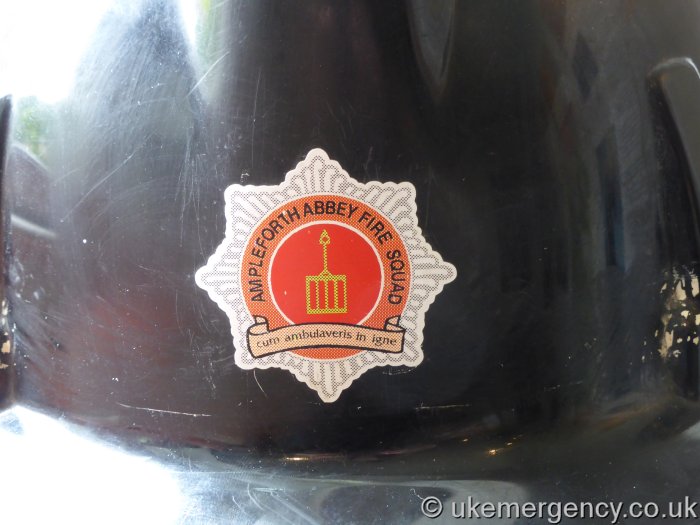
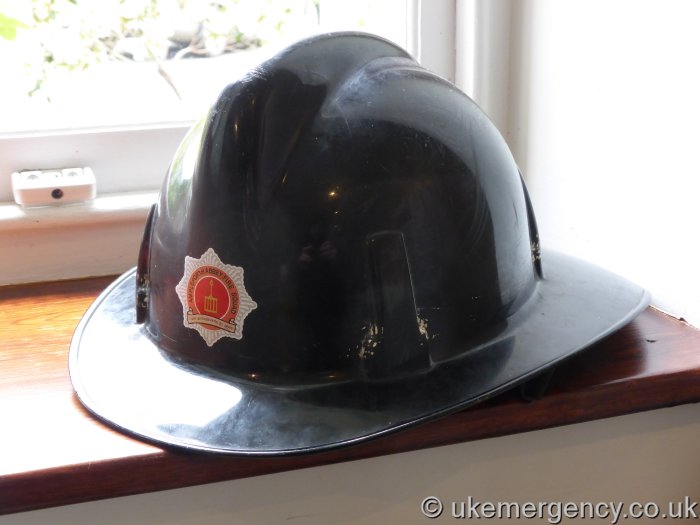
Ampleforth Abbey Fire Squad helmet.
The North Yorkshire abbey and college had a fire squad for about sixty years, run by volunteer monks. It was formed in the Second World War and its first vehicle was an old estate towing a trailer pump. The squad continued until about 2000 when it was dissolved, mainly on the ground that it was the abbey’s biggest risk because of its amateur nature. It had largely ceased to be necessary because of the enormous increase in smoke detectors, and the efficiency of the local fire service. By 2000, North Yorkshire Fire and Rescue Service could attend the rural location of the abbey within about 20 minutes, whereas the abbey’s fire squad took about 10 minutes.
They never had more than one vehicle at a time, but there was a succession of cast-offs from North Yorkshire FRS, usually through Malton. The last (and best) was a Green Goddess Bedford RLHZ, purchased direct from a job lot of 750 at Rillington airfield, South of Doncaster. They chose the demonstration model as they knew it worked!
The monks of the fire squad attended a number of fires over the years, but only two (1954 and 1962) showed any tendency to get out of hand, but failed to achieve this. From around 1952, they acquired a siren to use as a call and for general information (but not as a local alarm). In later years they had some problems with Civil Defence, since by about 1970 any air-raid type siren meant that an air attack was imminent. Most local people did not seem worried about this, and the Civil Defence and military sites were out of earshot. It was also used for a time to clear the buildings on the occasion of a bomb-warning. All were hoaxes, and nearly all were from the same man. Some contractors sacked him from working on the site and when he saw college concerts advertised he reached for his telephone (or so it appeared). They of course laid a trap, and he fell into it!
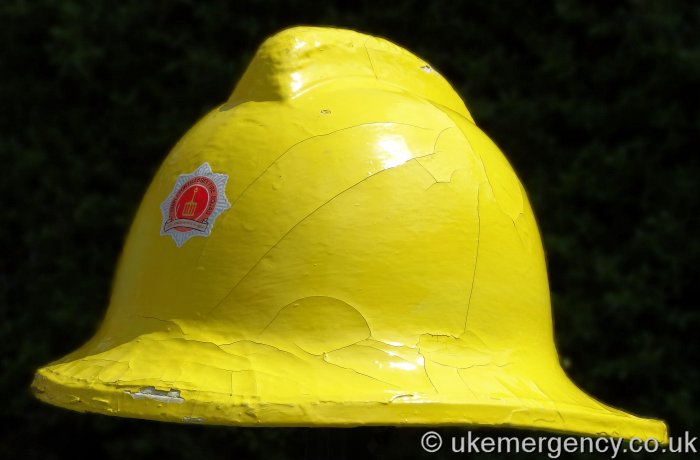
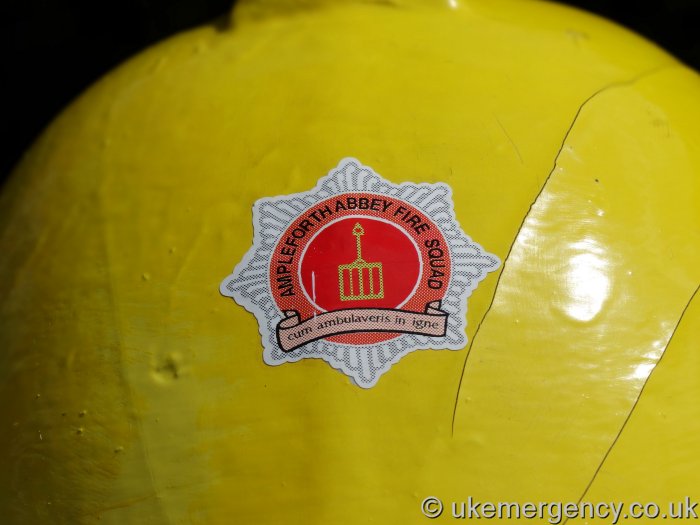
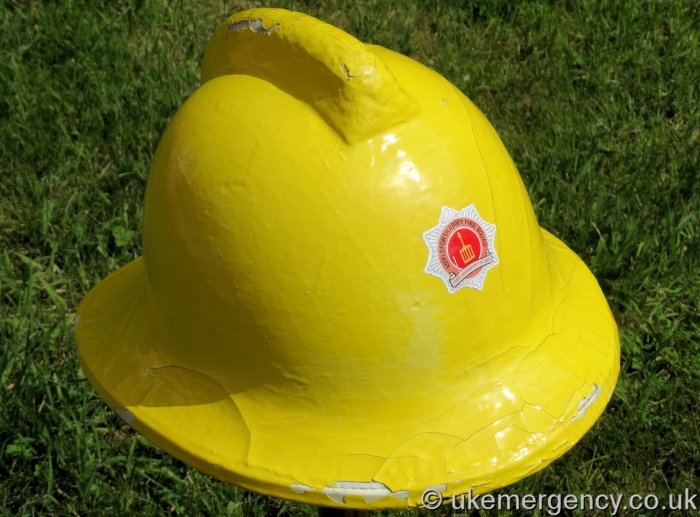
Another Ampleforth Abbey Fire Squad helmet in yellow.
The fire squad acquired a job lot from New York’s fire brigade when they were replacing theirs. The helmets were made of plastic and offer little protection compared to modern equivalents. A small fire squad sticker was attached. The monks looked after their equipment and so this helmet was damaged at some point after it finished service with them.
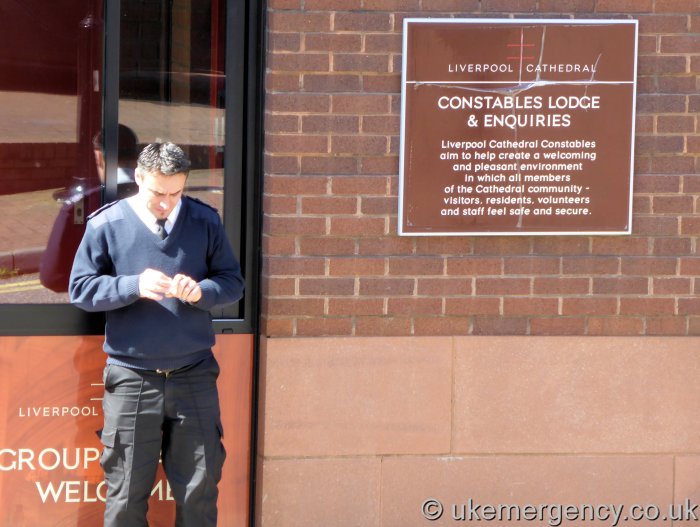
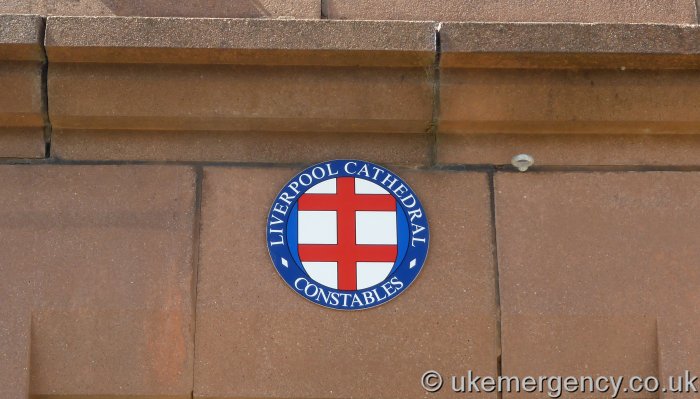
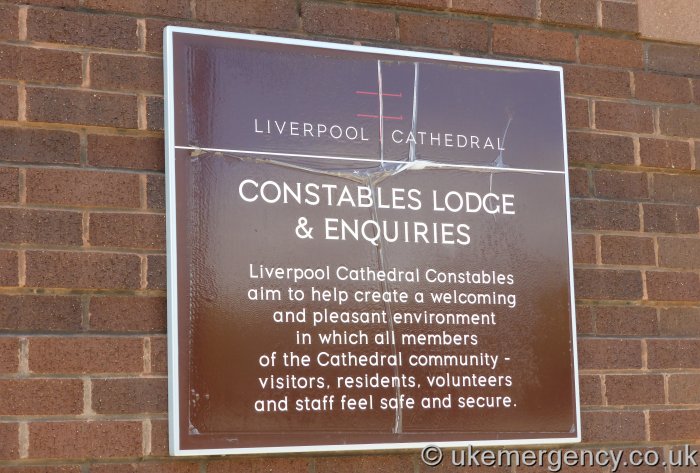
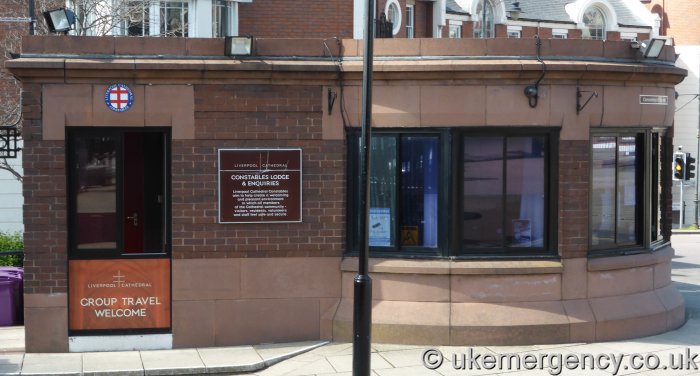
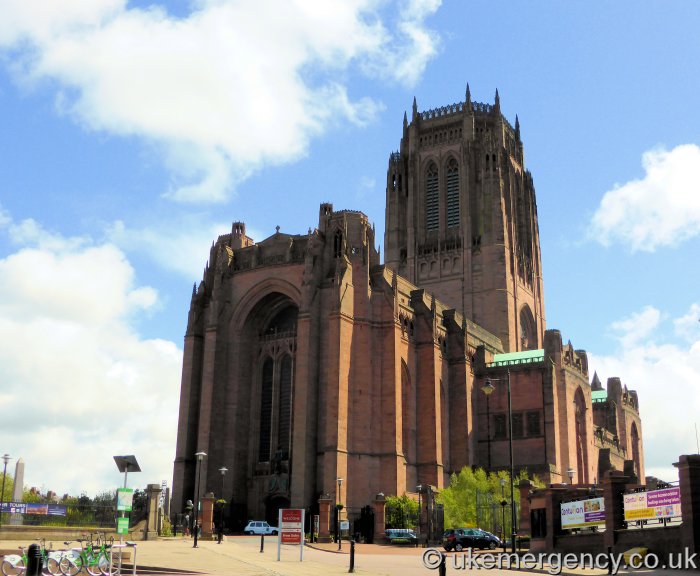
Liverpool Cathedral employs 10 constables, managed by a head constable. The first photograph shows their uniform of white shirt with black tie and black trousers. They do not carry handcuffs or a baton. They are based in a purpose built office at the entrance to the cathedral grounds. Despite having historic connections stretching back many hundreds of years, this specialist constabulary was formed in August 2005. Previous to this date they were security officers.
The constables make use of an extensive CCTV system as well as patrolling the building and grounds, including a neighbouring college. They work 24/7 and despite not having police powers are trained to deal with some dangerous situations. They use the power of citizen’s arrest on rare occasions. Any major situations are dealt with by the local Merseyside Police.
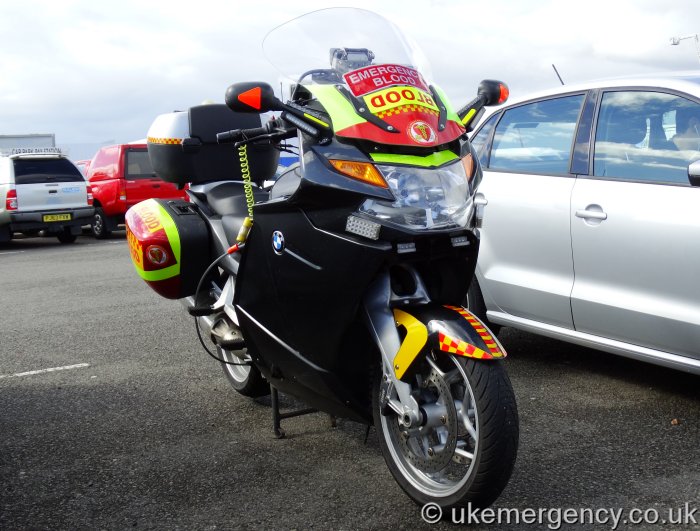
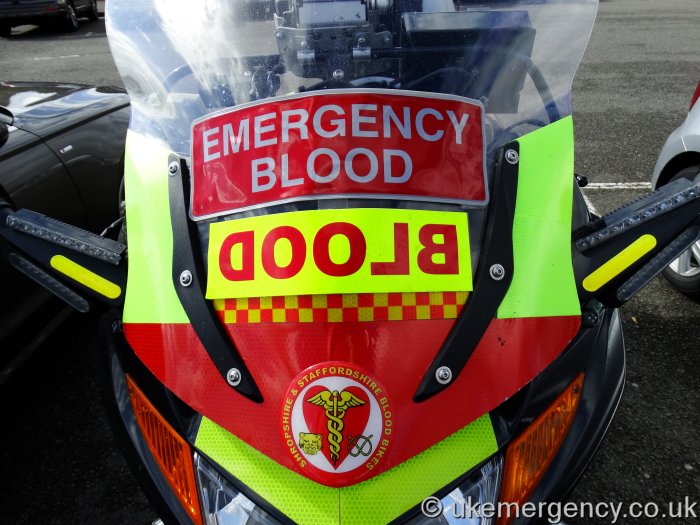
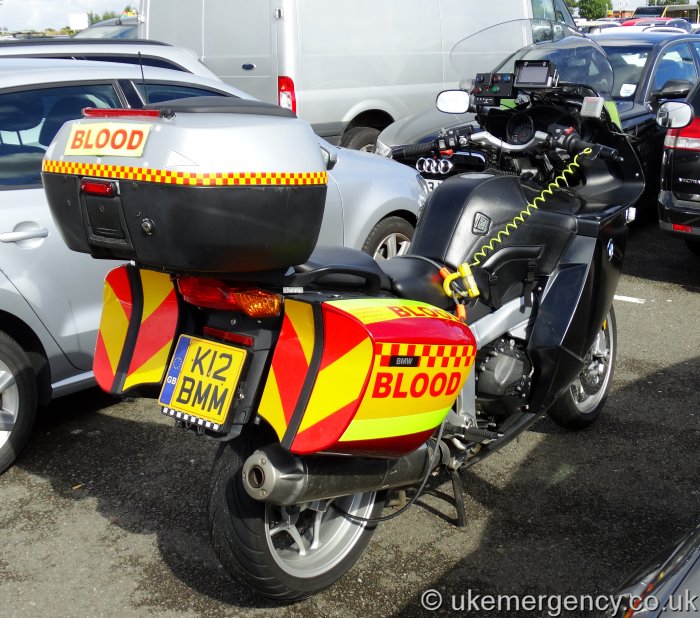
K12 BMM Shropshire and Staffordshire Blood Bikes BMW K 1200 GT
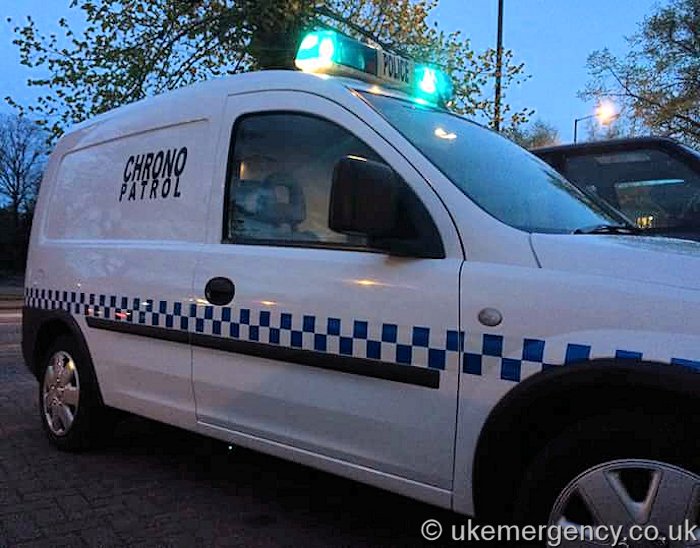
A Chrono Patrol car used at the 2015 Warped North v South Paintball Festival at the Defence Training Estate, Swynnerton, Staffordshire. It is used off road on army training areas to check velocity of the paintball guns to make sure they conform to the rules of paintball using a chronograph and are safe to operate.
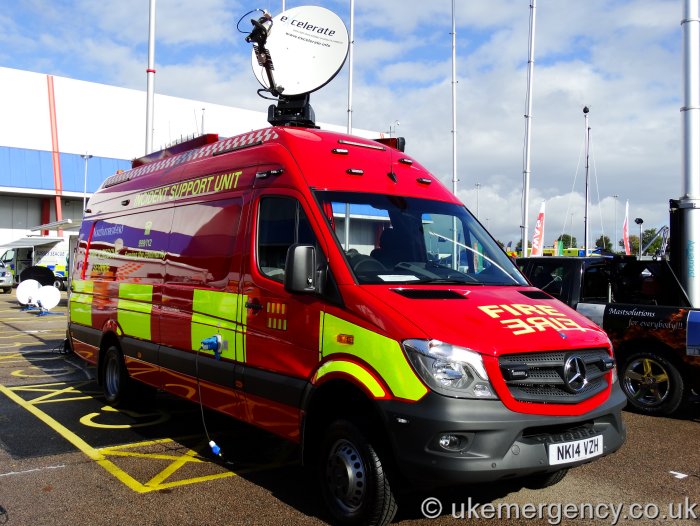
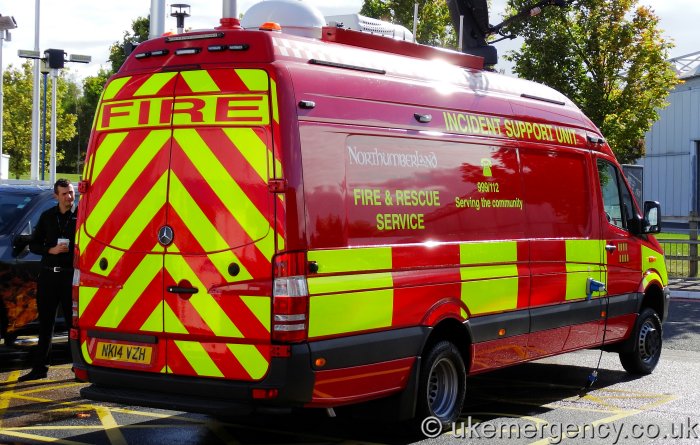
NK14 VZH Northumberland Fire and Rescue Service Mercedes Benz Sprinter incident support unit
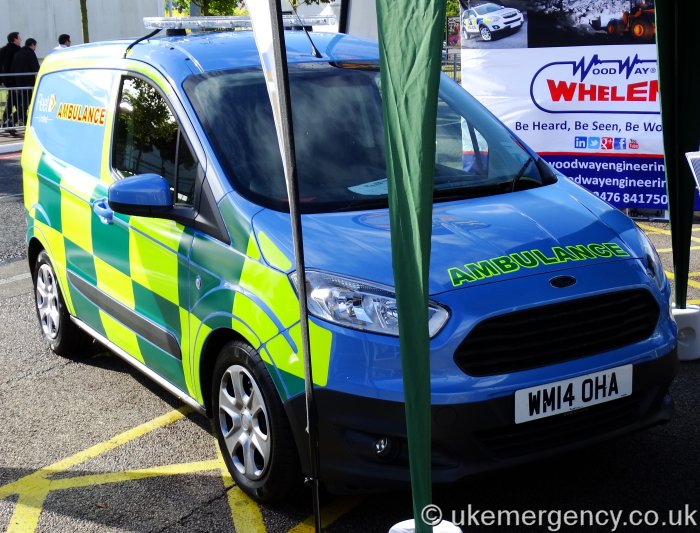
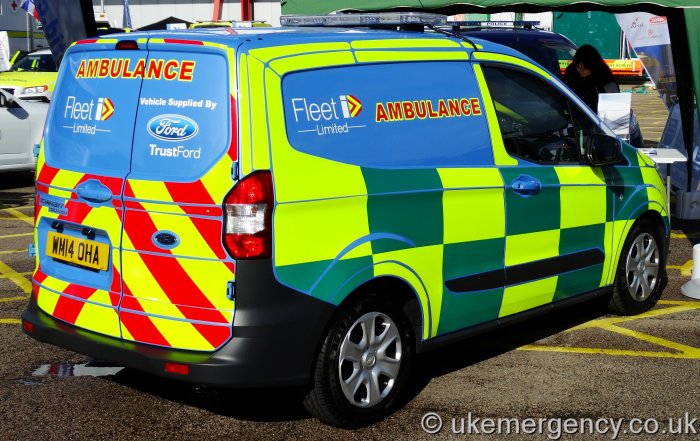
WM14 OHA Fleet i Limited Ford Transit Connect
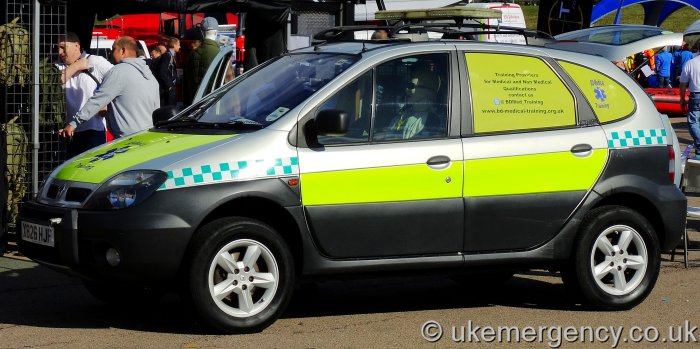
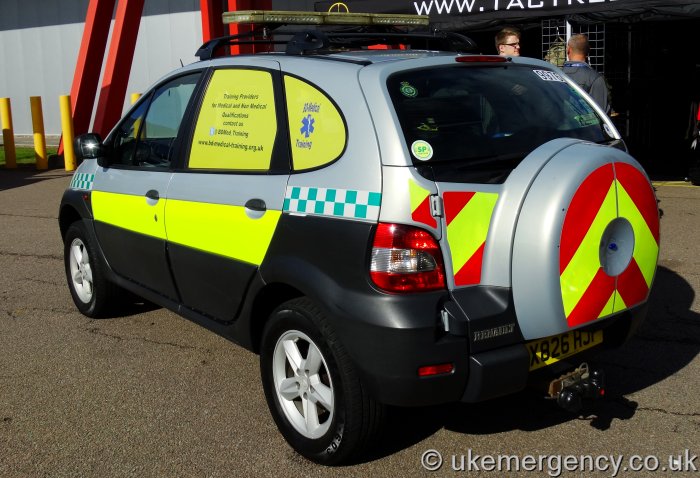
X826 HJF BD-Medical Training Renault Megane Scenic RX4
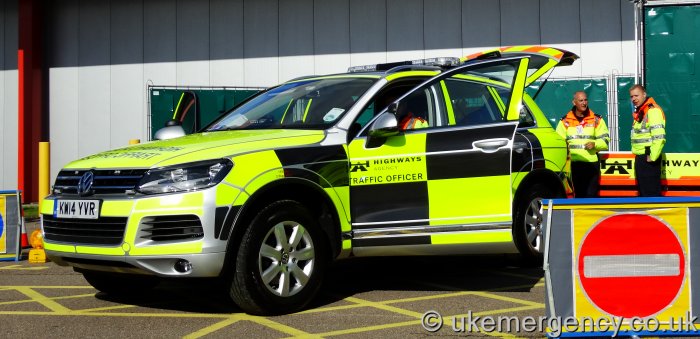
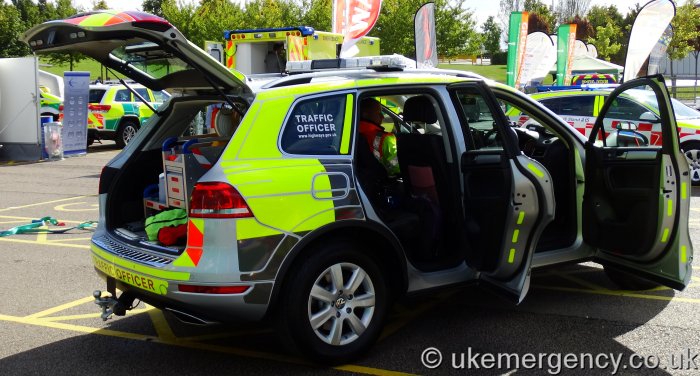
KW14 YYR Highways Agency VW Touareg
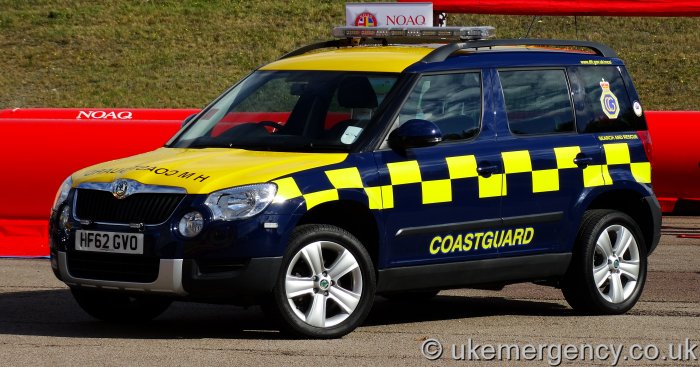
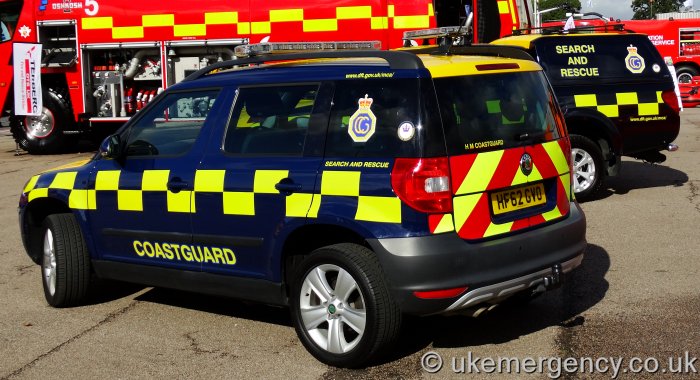
HF62 GVO HM Coastguard Skoda Yeti SE Plus
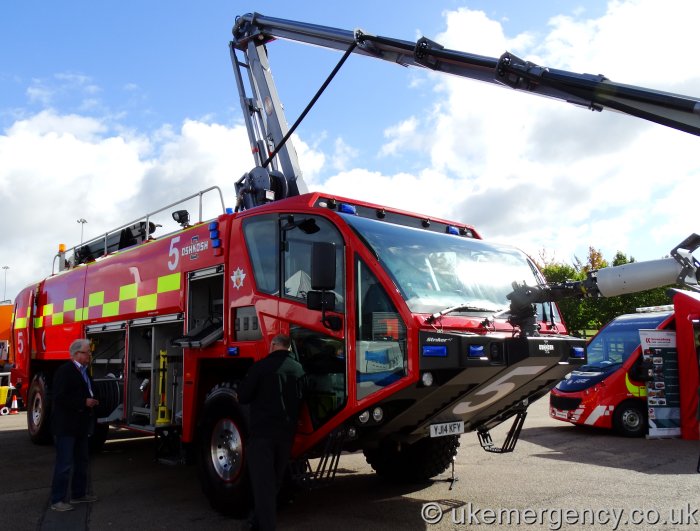
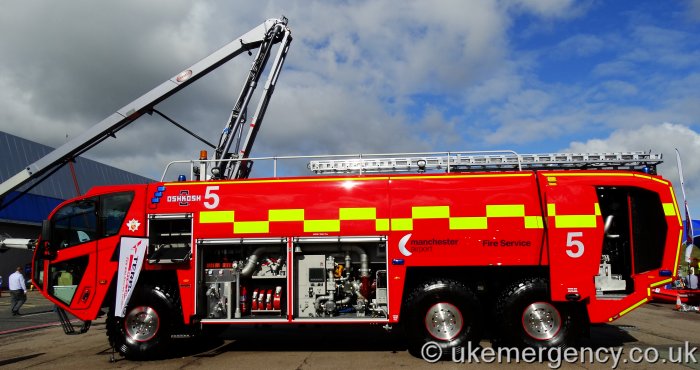
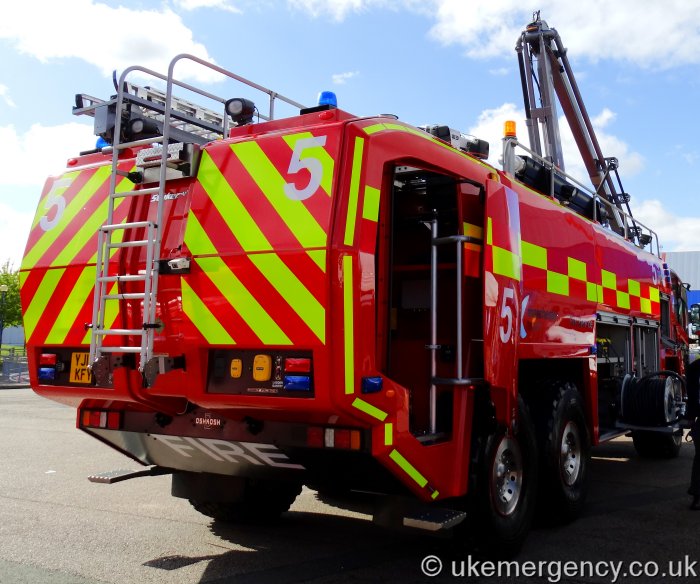
YJ14 KFY Manchester Airport Fire Service Oshkosh Striker ‘Fire 5’